
This comprehensive guide reveals exactly how the perfume industry is evolving. You will learn about upcycled ingredients, mood-boosting neuroscents, and artificial intelligence integration. Discover actionable tips, avoid common buying mistakes, and master the art of selecting your perfect futuristic signature scent.
Ready to explore the future of perfumery? The defining Fragrance Trends 2026 promise exciting shifts toward sustainability, wellness, and hyper-personalization for scent lovers everywhere.
Understanding Fragrance Trends 2026
The perfume landscape constantly evolves, but the shift we are witnessing now represents a complete transformation of how we create, wear, and experience aromas. Consumers no longer purchase perfumes simply to smell pleasant. They seek deeper connections, emotional resonance, and ethical transparency from their chosen beauty houses. The core Fragrance Trends 2026 reflect a broader cultural movement toward mindfulness and technological integration.
By analyzing consumer behavior and supply chain innovations, industry experts have identified several major pillars defining this new era. These pillars span from biotech ingredient sourcing to the psychological impact of scent on the human brain. Understanding these foundational shifts will help you navigate the crowded beauty market and select products that truly enhance your lifestyle.
The Rise of Upcycled and Sustainable Ingredients
Sustainability is no longer a buzzword; it is an absolute requirement for modern perfumery. The most prominent Fragrance Trends 2026 center heavily on upcycled and biotech-engineered ingredients. Historically, the perfume industry relied on massive amounts of natural resources, requiring tons of flower petals to produce a single ounce of essential oil. This practice strains agricultural systems and contributes to environmental degradation.
Today, innovative fragrance houses use green chemistry to extract aromatic compounds from discarded agricultural waste. Perfumers transform leftover apple pulps from the juice industry, discarded cedarwood shavings from furniture manufacturing, and even imperfect rose petals into luxurious scent molecules. This upcycling process drastically reduces waste and carbon emissions.
Furthermore, biotechnology allows scientists to recreate endangered natural scents in a lab setting without harvesting rare plants. By utilizing yeast fermentation and precise chemical synthesis, perfumers can replicate the exact aroma of threatened species like Indian sandalwood or wild orchids. Organizations like the International Fragrance Association heavily advocate for these sustainable practices to protect global biodiversity.
Neuroscents and Functional Perfumery
Another massive shift involves the integration of wellness into everyday beauty routines. Functional perfumery, specifically the development of “neuroscents,” dominates the Fragrance Trends 2026 landscape. A neuroscent is a fragrance scientifically formulated to trigger specific neurological responses, such as relaxation, focus, or energy.
The olfactory bulb in the human brain connects directly to the amygdala and hippocampus, the regions responsible for emotion and memory. Recent studies published by the National Institutes of Health highlight how certain aromatic compounds can significantly lower cortisol levels or boost serotonin production.
Perfumers now collaborate with neuroscientists to map out which scent molecules elicit specific emotional states. You will find perfumes marketed not just by their scent profiles, but by their cognitive benefits. Imagine spraying a calming chamomile and synthetic musk blend before a stressful meeting, or an invigorating yuzu and pink pepper concoction to combat afternoon fatigue. The boundaries between wellness supplements and fine fragrance have officially blurred.
Artificial Intelligence and Hyper-Personalization
Artificial intelligence has disrupted countless industries, and perfumery is no exception. AI algorithms now play a crucial role in predicting market preferences and formulating novel scent combinations. Machine learning programs analyze millions of existing perfume formulas, consumer reviews, and historical sales data to identify gaps in the market.
For the individual consumer, AI drives the hyper-personalization trend. Many brands now offer digital profiling tools that analyze your lifestyle, dietary preferences, climate, and fashion sense. The algorithm then generates a bespoke perfume formula tailored exclusively to your unique chemistry and personality. This level of customization was previously reserved for elite bespoke perfumery clients, but technology has democratized the experience.
Key Scent Profiles Dominating the Market
As consumer values shift, so do their preferred olfactory profiles. The heavy, overly sweet gourmands and intense synthetic ouds of the past decade are making way for highly nuanced, unconventional scent categories. The primary Fragrance Trends 2026 highlight a desire for comfort, nature, and unexpected savory elements.
Savory Gourmands and Umami Notes
While traditional gourmands rely on vanilla, caramel, and spun sugar, the new wave of gourmands explores the savory side of the culinary world. Perfumers are incorporating vegetable and umami notes to create intriguing, sophisticated scents.
Expect to see fragrances featuring notes of roasted hazelnut, basmati rice, steamed matcha, and even subtle hints of tomato leaf or green bell pepper. These savory elements provide a comforting, familiar warmth without the cloying sweetness of traditional dessert-based perfumes. They smell earthy, grounded, and deeply human.
Ethereal Florals and Solar Accords
Heavy, indolic white florals are stepping aside to make room for “transparent” and “ethereal” floral compositions. These scents mimic the feeling of flowers caught in a gentle, warm breeze. Perfumers achieve this by blending delicate floral waters with “solar notes.”
Solar notes do not come from a specific plant; they are fantasy accords designed to smell like warm skin baked in the summer sun. They often utilize salicylates, which lend a bright, slightly salty, and radiant quality to the perfume. When combined with sheer jasmine, water lily, or wild freesia, these solar accords create a deeply optimistic and uplifting fragrance profile.
Earthy Woods and Fungi
Reconnecting with nature remains a primary desire for urban consumers. Consequently, deeply earthy, damp, and grounding profiles feature heavily in Fragrance Trends 2026. This goes beyond traditional cedar or sandalwood.
Perfumers are experimenting with petrichor accords—the distinct smell of dry earth after a heavy rainfall. We also see a fascinating rise in fungi-inspired notes, utilizing truffle and wild mushroom extracts to impart a rich, loamy depth to fragrances. These scents transport the wearer directly to a damp, serene forest floor, offering an olfactory escape from concrete cities.
How Consumer Behavior is Shifting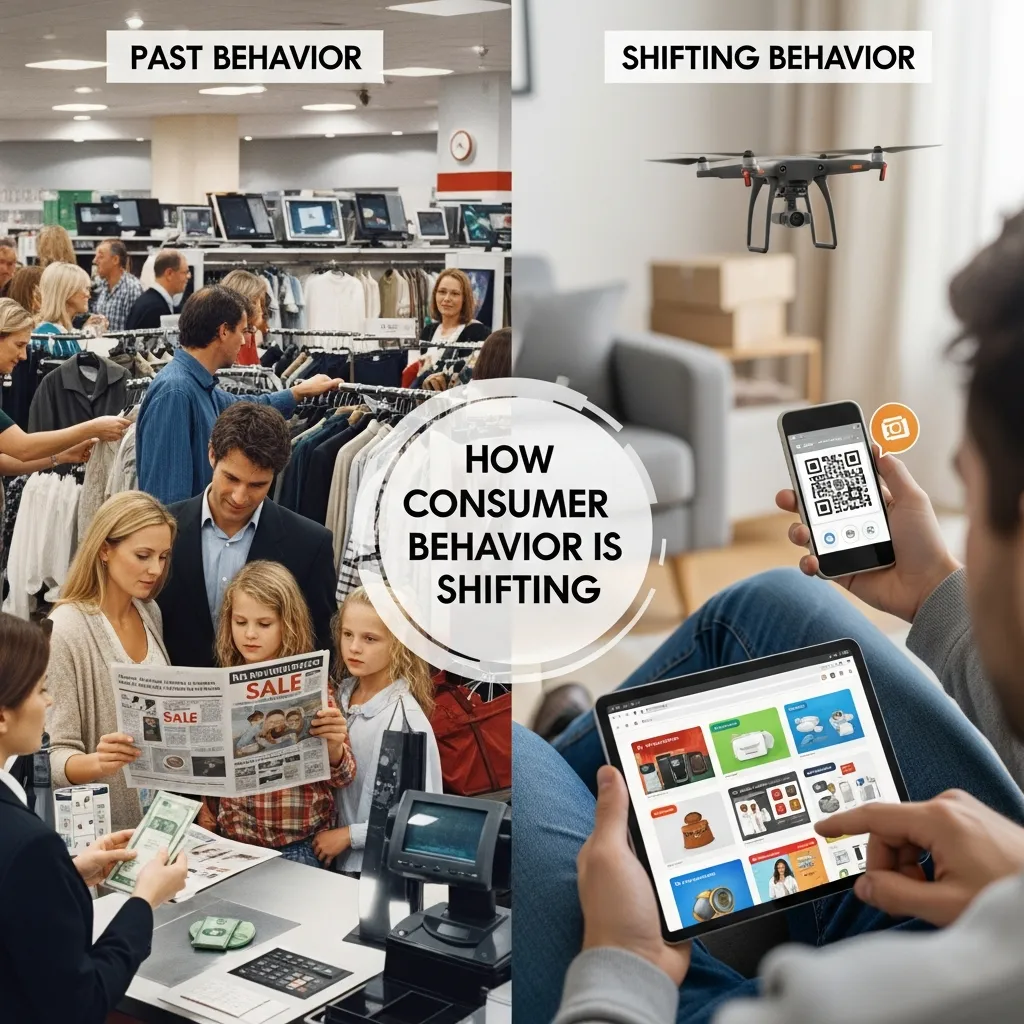
The ways people buy, wear, and discuss perfume have fundamentally changed. Brand loyalty now stems from shared values and transparency rather than simple prestige or celebrity endorsements.
The Demand for Complete Transparency
Modern consumers demand to know exactly what they are spraying on their skin. They want clear, accessible ingredient lists, free from hidden phthalates or controversial preservatives. Brands that openly share their sourcing methods, lab testing results, and environmental impact reports gain significant market share. Publications like Vogue Business frequently note that transparency is the ultimate luxury currency in modern beauty.
Gender-Fluid and Inclusive Formulations
The rigid division of perfumes into “pour homme” and “pour femme” feels increasingly obsolete. Fragrance Trends 2026 fully embrace gender-fluid marketing and formulation. Scent has no gender, and consumers prefer to choose fragrances based on their personal emotional resonance rather than traditional marketing categories.
Brands now package their creations in minimalist, universally appealing bottles and focus their storytelling on the mood and origin of the ingredients. A man can confidently wear a lush, jammy rose, and a woman can comfortably sport a dry, smoky vetiver. This inclusivity allows for greater personal expression and creativity.
Comparison: Past Innovations vs Future Shifts
To truly appreciate the current trajectory of the perfume industry, we must compare recent historical practices with the incoming shifts. This comparison highlights the rapid technological and cultural advancements shaping our olfactory experiences.
|
Industry Aspect |
Past Practices (2015-2020) |
Fragrance Trends 2026 |
|---|---|---|
|
Ingredient Sourcing |
Heavy reliance on rare naturals |
Upcycled waste and biotech synthesis |
|
Primary Marketing |
Celebrity endorsements, sex appeal |
Emotional wellness, neuroscents |
|
Dominant Profiles |
Extreme sweet gourmands, heavy oud |
Savory gourmands, solar florals, petrichor |
|
Target Audience |
Strictly gendered (Male/Female) |
Universally gender-fluid and inclusive |
|
Creation Method |
Master perfumer intuition alone |
AI-assisted formulation and data analysis |
|
Packaging |
Heavy, non-recyclable glass and plastic |
Refillable, biodegradable, minimalist design |
The Art of Building a Modern Scent Wardrobe
With so many innovative options available, building a fragrance collection requires strategy and intention. You no longer need fifty bottles of similar-smelling perfumes. Instead, curate a minimal but highly versatile “scent wardrobe” that caters to different moods, settings, and functions.
Start by identifying your baseline emotional needs. Do you need a fragrance to help you focus during long work hours? Invest in a crisp, green, neuroscent featuring basil and cedar. Do you want a scent for evening relaxation? Choose a savory gourmand with notes of oat milk and cardamom. By categorizing your perfumes by their functional purpose, you ensure every bottle in your collection serves a distinct role.
Common Mistakes to Avoid with Modern Perfumery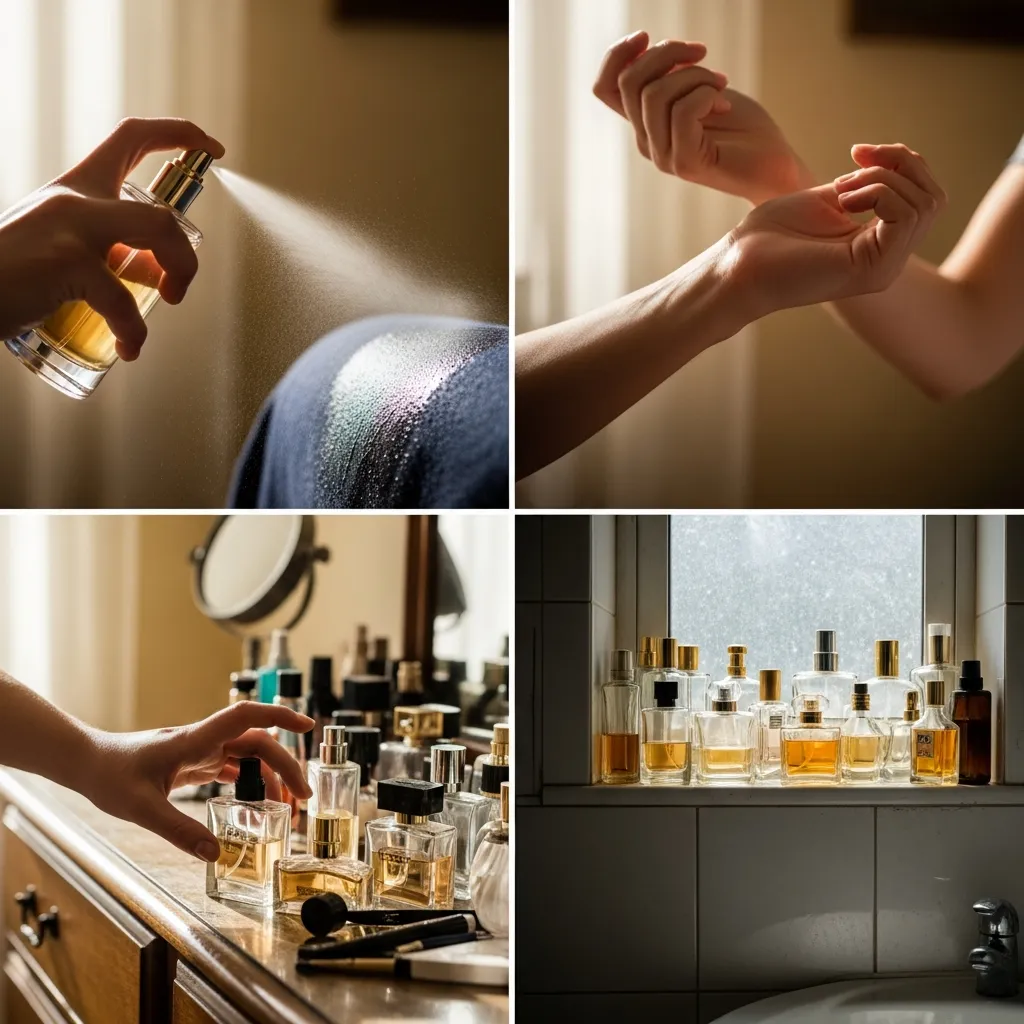
Even seasoned perfume collectors make errors that degrade their fragrance experience. As formulations evolve, so must our application and storage techniques. Avoid these frequent missteps to get the most out of your scent investments.
- Rubbing Your Wrists Together: This is the most common application error. Friction creates heat, which burns off the delicate top notes of the perfume and disrupts the intended development of the scent pyramid. Spray the perfume and let it air dry naturally.
- Improper Storage: Heat, light, and humidity are the natural enemies of fragrance molecules. Displaying your beautiful bottles on a brightly lit vanity or keeping them in a steamy bathroom will quickly degrade the oils. Store your perfumes in a cool, dark closet or drawer to preserve their integrity.
- Blind Buying Based on Trends: Just because a specific savory gourmand dominates social media does not mean it will work with your skin chemistry. Always purchase sample sizes or discovery sets before committing to a full bottle.
- Ignoring Skin Hydration: Perfume oils evaporate rapidly on dry skin. To increase the longevity of your fragrance, apply an unscented body lotion or body oil immediately after showering, then spray your perfume over the hydrated areas.
- Over-Spraying Potent Formulas: Many modern upcycled and biotech ingredients project incredibly well. Applying five or six sprays of a highly concentrated eau de parfum will overwhelm your senses and alienate those around you. Start with two sprays and adjust based on the specific formulation.
Pro Tips and Expert Insights for Scent Enthusiasts
Elevate your olfactory game by adopting techniques used by master perfumers and industry insiders. These advanced strategies will help you customize your scent profile and maximize the performance of your favorite bottles.
Master the Art of Layering
Do not be afraid to mix your perfumes. Layering allows you to create a bespoke scent that nobody else has. The golden rule of layering is to spray the heavier, woodier, or spicier fragrance first, allowing it to settle for a moment. Then, apply a lighter, citrus, or floral scent over the top. This prevents the heavy notes from smothering the delicate ones.
Apply to Pulse Points and Hair
Your pulse points generate heat, which helps project the fragrance into the air. Target your inner wrists, the base of your throat, and behind your ears. For a beautiful, lingering sillage trail, lightly mist your hairbrush with perfume and run it through your hair. Hair holds scent exceptionally well without altering the chemical composition.
Rotate Your Scents to Avoid Olfactory Fatigue
If you wear the exact same perfume every single day, your nose will eventually become “blind” to it. You might think the fragrance has lost its strength and start over-spraying. To prevent olfactory fatigue, rotate between at least three different fragrances throughout the week. This keeps your receptors sharp and allows you to fully appreciate the nuances of each scent.
Navigating the Niche and Indie Market
While designer houses produce excellent products, the most exciting Fragrance Trends 2026 often emerge from independent and niche brands. These smaller companies possess the agility to experiment with controversial notes, extreme biotech ingredients, and radical sustainability practices without worrying about mass-market appeal.
When exploring indie brands, look for houses that prioritize small-batch production and transparent ingredient sourcing. Many of these brands offer discovery sets, which are curated boxes of small sample vials. This is the most cost-effective and educational way to expose your nose to new, avant-garde scent profiles without spending hundreds of dollars on a single bottle.
The Future of Retail and Scent Discovery
The way we shop for perfume is transforming. Traditional department store beauty counters, where aggressive salespeople spray paper strips at passersby, are fading. The future of retail focuses on immersive, multi-sensory discovery experiences.
Retailers are designing “scent chambers” where customers can experience a fragrance in isolation, free from the overwhelming ambient smell of the store. Furthermore, online retailers have perfected the sampling model, utilizing AI questionnaires to curate personalized sample flights mailed directly to your door. This allows you to test the fragrance in your own environment, on your own skin, over several days before making a purchase decision.
Embracing the Aromatic Future
The perfume industry stands at a brilliant intersection of art, science, and environmental stewardship. By moving away from wasteful practices and embracing the emotional power of scent, perfumers are elevating their craft to unprecedented heights. The focus has shifted from merely smelling good to feeling good, protecting the planet, and expressing absolute individuality.
As you explore these new offerings, keep an open mind. Challenge your preconceived notions about what a perfume “should” smell like. Test a mushroom-infused earthy scent, or try a neuroscent designed to lower your stress levels. The boundaries of perfumery have expanded immensely, offering endless opportunities for self-discovery and sensory pleasure.
Conclusion
The defining Fragrance Trends 2026 prioritize emotional well-being, technological innovation, and deep environmental respect. By embracing these exciting shifts, you can elevate your personal scent wardrobe like never before. Explore these new aromatic profiles today and actively seek out brands prioritizing sustainability to ensure your signature scent supports a brighter, greener future.
FAQs
1. What are the biggest changes in the perfume industry right now?
The biggest changes involve a massive shift toward sustainable, upcycled ingredients and biotech synthesis. Additionally, the rise of functional “neuroscents” designed to alter moods and the use of AI for hyper-personalized perfume creation represent major industry disruptions.
2. What is a savory gourmand?
A savory gourmand is a fragrance that utilizes culinary notes that are not overtly sweet or dessert-like. Instead of vanilla and caramel, these perfumes feature notes like roasted nuts, basmati rice, green bell pepper, or matcha, providing a comforting yet sophisticated aroma.
3. Are synthetic ingredients bad for you?
No, synthetic ingredients are not inherently bad. In fact, many synthetic and biotech-created molecules are safer for the skin than natural essential oils, which can contain volatile allergens. Furthermore, synthetic ingredients are crucial for sustainability, as they prevent the over-harvesting of endangered plants and animals.
4. How do neuroscents actually work?
Neuroscents contain specific aromatic compounds that interact with the brain’s olfactory bulb, which is directly connected to the limbic system. Scientific research has proven that certain scents can trigger the release of neurotransmitters, effectively lowering stress hormones or increasing alertness.
5. How long should a high-quality perfume last on my skin?
Longevity depends entirely on the formulation and concentration. A light citrus eau de toilette may only last 3 to 4 hours, while a rich, woody eau de parfum can easily last 8 to 12 hours. Proper skin hydration and application techniques also significantly impact longevity.
6. Why does a perfume smell different on me than on a testing strip?
A paper testing strip is a neutral, room-temperature surface. Your skin has a unique pH balance, natural oils, and a specific body temperature. These biological factors interact with the perfume’s chemical compounds, altering how the notes develop and project. Always test a fragrance on your skin before buying.
7. What is the proper way to store a perfume collection?
Perfumes should always be stored in a cool, dark, and dry place. Direct sunlight, extreme heat, and humidity will break down the delicate aromatic molecules and cause the fragrance to spoil or change color. A bedroom closet or a dedicated drawer is the ideal storage location.
8. Can I wear multiple perfumes at the same time?
Absolutely. Layering perfumes is a fantastic way to create a unique signature scent. The best technique is to apply the heavier, stronger fragrance first as a base, and then spray the lighter, brighter fragrance over the top.
9. What does “sillage” mean?
Sillage (pronounced see-yazh) is a French term used in perfumery to describe the invisible trail of scent left behind by a person as they walk by. It refers to the projection and lingering power of the fragrance in the air, rather than how it smells directly on the skin.
10. How can I test new trends without spending too much money?
The best way to explore new trends is by purchasing discovery sets or sample flights from niche brands. These sets offer small vials of various perfumes, allowing you to test them on your skin over several days without committing to the high cost of a full-size bottle.