
In today’s hyper-competitive digital landscape, data is the new oil. This guide explores how to use marketing analytics to refine your targeting and drive unprecedented business growth.
Marketing analytics tools empower businesses to decode complex consumer behaviors. By leveraging transactional, behavioral, and demographic data, brands can create hyper-personalized campaigns. This article provides a comprehensive roadmap for integrating analytics into your brand strategy, measuring SEO success, and mastering advanced predictive trends for long-term ROI.
The Strategic Importance of Marketing Analytics
Understanding how to use marketing analytics is no longer a luxury; it is a foundational requirement for survival. As we move further into a data-driven era, the gap between companies that utilize digital marketing analytics and those that rely on intuition is widening.
Marketing analytics refers to the practice of measuring, managing, and analyzing marketing performance to maximize its effectiveness and optimize return on investment (ROI). By applying these insights, businesses can transition from broad-spectrum advertising to precision-targeted engagement.
Deep Dive into Customer Data Collection
Customer data collection is the foundation of modern marketing analytics, enabling businesses to understand behaviors, preferences, and buying journeys. By gathering data from websites, social media, CRM systems, email campaigns, and purchase history, brands gain a 360-degree view of their audience. This process goes beyond basic demographics, capturing engagement patterns, intent signals, and feedback in real time. When combined with privacy-first practices and consent-based tracking, customer data becomes a powerful asset for personalization, segmentation, and predictive marketing. A deep dive into customer data helps marketers create relevant experiences, improve retention, and drive smarter, data-backed decisions across every touchpoint.The first step in learning how to use marketing analytics is establishing a robust data infrastructure. You cannot analyze what you do not measure.
1. Categorizing Marketing Analytics Data
To build a 360-degree view of your audience, you must synthesize three primary data types:
- Transactional Data: This includes purchase history, subscription renewals, and average order value (AOV). It tells you what they bought.
- Behavioral Data: Insights from mobile app marketing analytics and website heatmaps. This tells you how they interact with your brand.
- Demographic Data: Age, geography, and income brackets. This tells you who they are.
2. Customer Journey Mapping
Customer journey mapping is the process of visualizing every touchpoint a consumer has with your brand. By using advanced web analytics, you can identify “leaks” in your sales funnel where potential customers drop off.
Segmentation and Persona Development
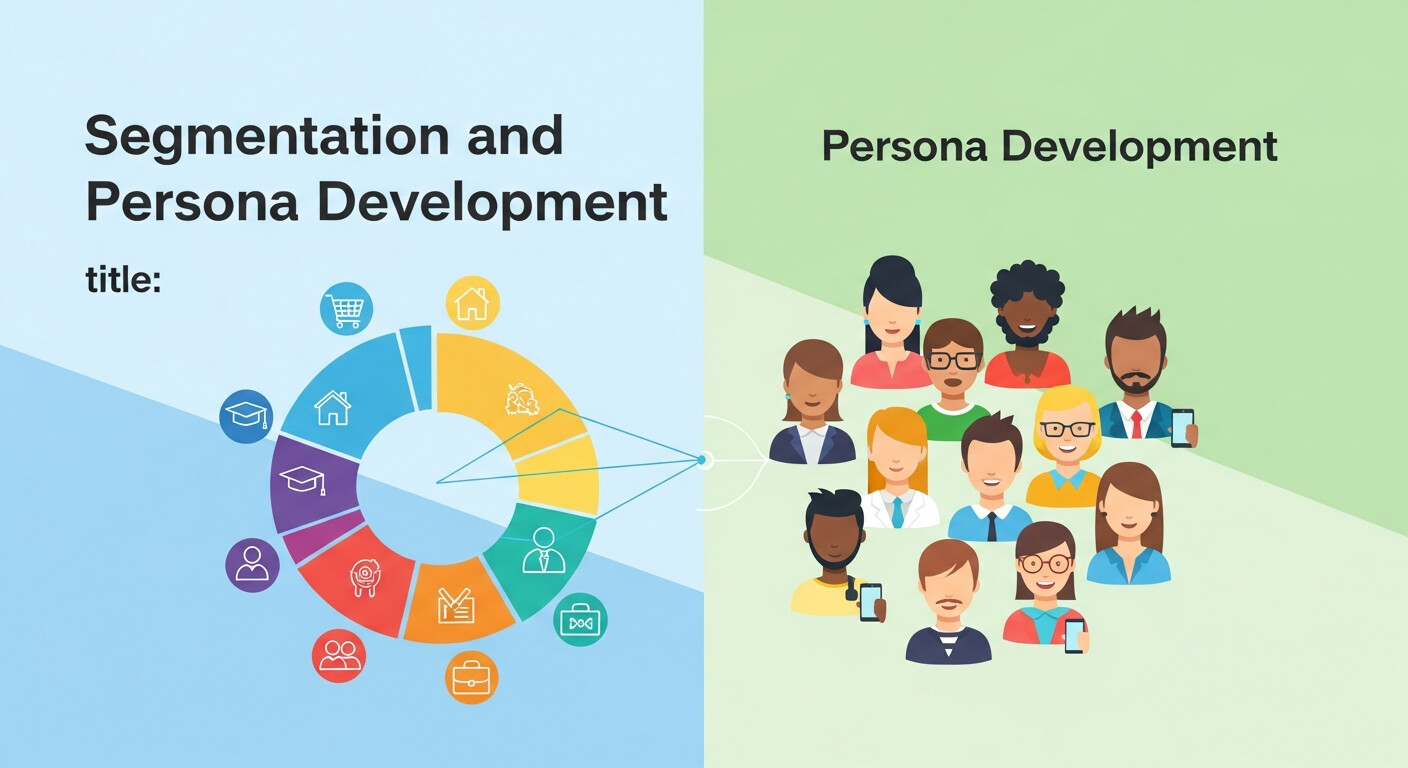
Once data is collected, the next stage of how to use marketing analytics involves organization. Raw data is chaotic; segmentation brings order.
Building Brand Personality in Marketing
Analytics allow you to see if your brand perception in marketing matches your intended brand voice. For example, if your data shows that your highest-engaging audience is Gen Z, but your messaging is formal, there is a misalignment in your brand positioning strategy.
Key Segments to Track:
- High-Value Liaisons: Customers with high lifetime value (LTV).
- Churn Risks: Customers who haven’t engaged in 30+ days.
- Brand Advocates: Those frequently engaging with social media management efforts.
Essential Marketing Analytics Tools
To execute a sophisticated strategy, you need a specialized tech stack. Here are the pillars of modern marketing technology:
Comprehensive Analytics Platforms
| Tool Type | Examples | Key Use Case |
| Web Analytics | Google Analytics, Adobe Analytics | Tracking traffic sources and conversion paths. |
| CRM Systems | HubSpot, Salesforce | Managing lead lifecycles and email marketing analytics. |
| Social Insights | Sprout Social, Hootsuite | Social media management and sentiment analysis. |
| SEO Suites | SEMrush, Ahrefs | Measuring SEO success and competitive brand analysis. |
Advanced and Predictive Tools
Beyond standard reporting, predictive trend marketing uses AI to forecast future buying behaviors. Tools like IBM Watson provide AI-driven trend forecasting, allowing brands to stay ahead of “the next big thing” before it goes viral.
Enhancing Brand Strategy through Analytics
How you present your brand is just as important as who you target. How to use marketing analytics extends into the realm of brand strategy consulting.
Brand Equity and Positioning
Brand equity in marketing is the value premium that a company generates from a product with a recognizable name. Use analytics to monitor:
- Brand Awareness: How many people know you exist?
- Brand Loyalty: How many people come back?
- Brand Association: What words do people link to your logo?
The Role of Integrated Marketing
Integrated marketing ensures that your message is consistent across SMS marketing, email, and video. Use video analytics market trends to see if your long-form webinars are more effective than short-form TikTok clips.
Creating High-Imp act Targeted Campaigns
With your segments defined and tools ready, it’s time to launch.
1. Personalization and Emotional Marketing
Emotional marketing taps into human feelings to create a bond. By using customer journey analytics, you can trigger an email exactly when a customer is most likely to feel “buyer’s remorse” or “excitement,” offering support or a discount accordingly.
2. Channel Optimization
Don’t waste budget on LinkedIn if your audience lives on Discord. How to use marketing analytics effectively involves “trimming the fat.”
- B2B Digital Marketing Strategies: Focus on whitepapers and creative webinar ideas.
- B2C Strategies: Focus on influencer marketing services and viral content marketing.
3. Viral Marketing Psychology
To make a product “go viral,” you must understand the psychology behind viral content. This involves marketing FOMO (Fear Of Missing Out) and real-time trend marketing.
Measuring Success and ROI
If you can’t measure it, you can’t improve it.
Key Performance Indicators (KPIs)
- Conversion Rate: The percentage of visitors who take a desired action.
- Customer Acquisition Cost (CAC): How much you spend to get one new customer.
- Brand Equity KPIs: Measuring the strength of your brand architecture and brand voice strategy.
A/B Testing and Iteration
Marketing analytics hacks often involve small “marginal gains.” Test two different call-to-action (CTA) buttons. Even a 1% increase in click-through rate can result in millions in revenue for large-scale CPG brand marketing.
Advanced Concepts in Marketing Analytics
The Dark Side of Viral Marketing
While virality is great, it can lead to a brand crisis. Brand crisis management and brand safety in digital marketing are essential. If a trend turns negative, your analytics should alert you in real-time to prevent brand cannibalization.
Sonic and Sensory Branding
sonic branding (using unique sounds) and sensory branding are becoming measurable through neuro-marketing analytics.
Mastering the Customer Journey Analytics & Mapping
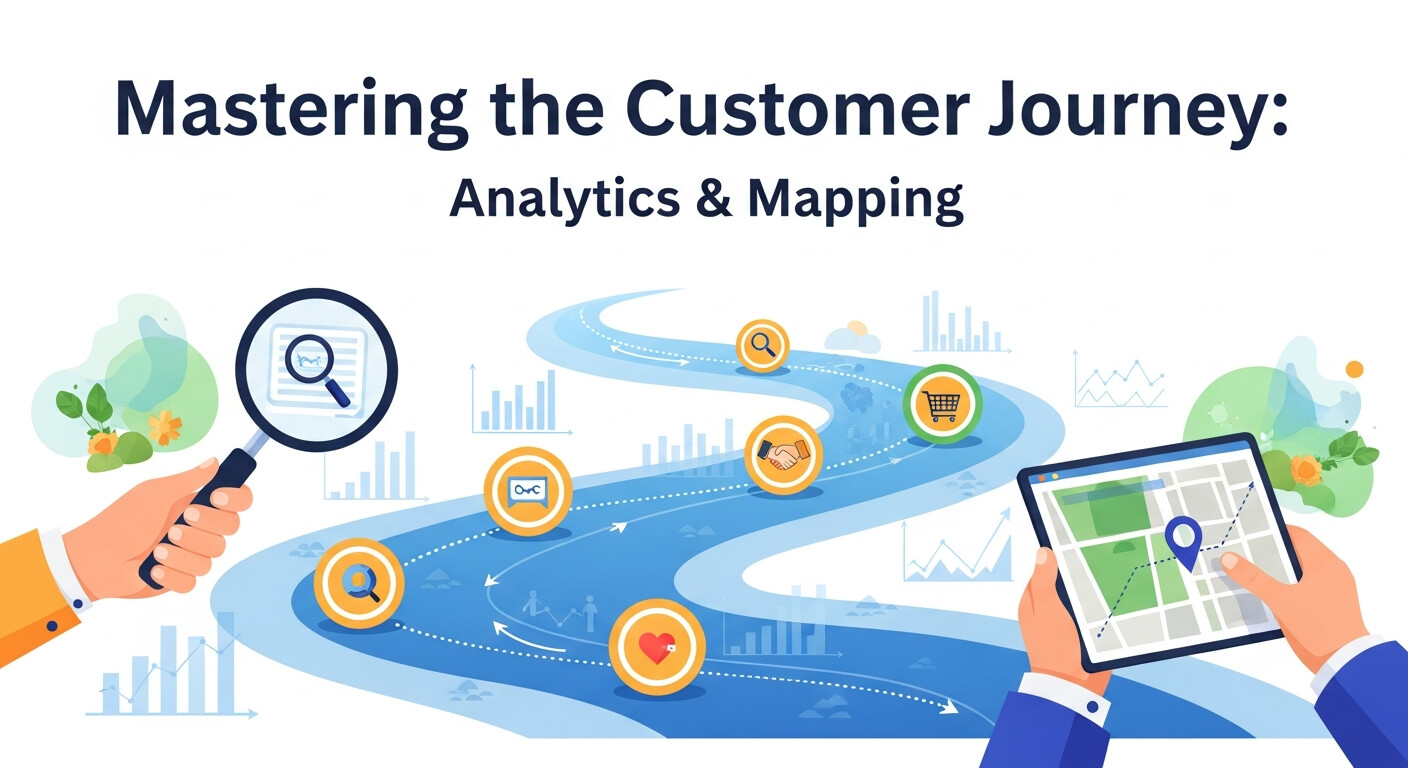
To truly understand how to use marketing analytics, you must look beyond isolated clicks and view the customer experience as a holistic journey. Customer journey analytics allow you to track the sequence of events that lead a lead to become a loyal advocate.
The Power of Multi-Touch Attribution
In a traditional model, the “last click” gets all the credit. However, modern digital marketing analytics show that a customer might see an Instagram ad, read a blog post, receive an outbound email marketing message, and finally search for your brand on Google.
- Linear Attribution: Gives equal credit to every touchpoint.
- Time-Decay Attribution: Gives more credit to the touchpoints closest to the conversion.
- Data-Driven Attribution: Uses machine learning to calculate the actual contribution of each channel.
Identifying Friction Points
By utilizing advanced web analytics, you can create a “drop-off” report. If 80% of your users abandon their journey at the shipping information page, your analytics are telling you that your digital payment solutions or shipping costs are a barrier to entry. Fixing these “leaks” is the fastest way to improve your marketing ROI.
Brand Resilience and Crisis Management
In an era of viral trends, a brand’s reputation can be built or broken in hours. This is where brand resilience strategies and reputation management become data-driven necessities.
Proactive Brand Monitoring
Using brand monitoring services and review management services allows you to keep a pulse on public sentiment. Analytics tools can flag a sudden spike in “negative mentions,” acting as an early warning system.
- Negative Content Management: Identifying and addressing misinformation or poor reviews before they scale.
- Brand Safety in Digital Marketing: Ensuring your ads don’t appear next to controversial or harmful content, which could damage your brand positioning.
The Brand Audit: A Data-Driven Health Check
A biannual brand audit is essential. This involves looking at your brand equity KPIs and comparing them against your competitors through competitive brand analysis. Are you losing “mindshare”? Is your brand voice strategy still resonating with the current cultural climate?
Emerging Frontiers—Video and Mobile Analytics
The future of how to use marketing analytics is increasingly visual and mobile-first.
Mastering Video Analytics
Video content is dominating social feeds, yet many fail to track its success beyond “views.” To succeed, you must focus on mastering video analytics:
- Play Rate: How many people actually clicked play?
- Engagement Graph: At what second did most people stop watching?
- Video SEO: Optimizing your video metadata to appear in search results, a key component of video SEO services.
Mobile App Marketing Analytics
For businesses with an app, mobile app marketing analytics provide deeper insights into user retention. Tracking “Daily Active Users” (DAU) and “In-App Purchases” helps you understand the brand marketing strategy required to keep your app on a user’s home screen rather than in the “deleted” bin.
The Psychology of Growth—Viral and Trend Marketing
Marketing analytics isn’t just about looking backward; it’s about predicting the “spark” that leads to viral growth.
Trend Marketing AI Data Strategy
Using AI-driven trend marketing, businesses can now participate in “micro-trends” before they hit the mainstream. By analyzing search spikes and social chatter, you can align your brand marketing with what is currently “trending,” giving you a game-changing advantage of viral marketing.
Building a Viral Marketing Funnel
A viral marketing funnel isn’t an accident; it’s engineered.
- The Hook: High-emotion content (The psychology of trend marketing).
- The Value: Why should they share it?
- The Feedback Loop: Using referral marketing analytics to reward those who spread the word.
Traditional vs. Predictive Analytics
| Feature | Traditional Analytics | Predictive & AI-Driven Analytics |
| Data Focus | Historical performance (What happened?) | Future forecasting (What will happen?) |
| Strategy | Reactive adjustments | Proactive trend marketing mastery |
| Personalization | Segment-based (Broad groups) | Individualized (Personal brand strategy) |
| Speed | Weekly/Monthly reporting | Real-time trend marketing alerts |
| Example Tool | Standard Excel/Basic CRM | IBM Watson / AI-driven trend forecasting |
Conclusion
Mastering how to use marketing analytics is the definitive way to bridge the gap between your brand and your ideal customer. By moving beyond basic reporting into predictive trend marketing and AI-driven insights, you create a resilient, adaptable business model. Start small, choose the right tools, and let the data lead your creative strategy toward and beyond.
Frequently Asked Questions
1. How do I start using marketing analytics if I have a small budget?
Begin with free tools like Google Analytics and basic social media insights. Focus on one KPI, such as website conversion rate, before expanding into paid marketing analytics tools.
2. What is the difference between marketing analytics and web analytics?
Web analytics focuses specifically on website performance (clicks, bounces), while marketing analytics covers the entire ecosystem, including email marketing analytics, offline attribution, and brand perception.
3. How often should I generate marketing reports?
For active campaigns, weekly check-ins are vital. For overall brand strategy framework reviews, monthly or quarterly reports provide a better “big picture” view.
4. Can marketing analytics help with rebranding?
Yes. A brand audit powered by analytics can show you which parts of your old identity are still working and which parts of your brand refresh are resonating with new audiences.
5. What are LSI keywords and why do they matter for SEO?
LSI (Latent Semantic Indexing) keywords are terms related to your main topic. They help search engines understand the context of your content, which is crucial for measuring SEO success.
6. How does predictive analytics work?
It uses historical data and machine learning algorithms to identify the likelihood of future outcomes, such as which customers are likely to respond to a referral marketing program.
7. Is SMS marketing still effective?
Absolutely. SMS marketing often has higher open rates than email. Analytics can help you time these messages so they aren’t intrusive.
8. What is “Brand Purpose Development”?
It is the process of defining why your brand exists beyond making money. Analytics help you see if your audience values your ethical branding efforts.
9. How do I manage a brand crisis using data?
By monitoring sentiment analysis and brand monitoring services, you can spot negative trends early and deploy crisis management services before the issue escalates.
10. What is the role of a Digital Marketing Expert?
A digital marketing expert role involves synthesizing data from various sources to create a cohesive integrated marketing plan that drives growth.