

Data is the new currency , and marketing analytics is how businesses can cash in. But just what is marketing analytics, and why is it so integral to a successful marketing strategy? In this blog, we’ll be peeling back the layers on what it means, such as what it’s made up of, what its benefits are and how we can implement it. Whether you want to optimize your existing campaigns or need to find the secret behind your brand’s success, the answer lies in mastering marketing analytics.
Keep reading to learn all about data-driven marketing analysis, including definitions, types, and challenges, as well as tools and key terms you need to know.
What is Marketing Analytics?
Marketing analytics is the practice of measuring, managing, and analyzing marketing performance to maximize effectiveness and optimize return on investment (ROI). By collecting data from campaigns, customer interactions, and digital channels, businesses can uncover insights about audience behavior, preferences, and engagement patterns. This allows marketers to make informed decisions, refine strategies, and allocate resources more efficiently. Marketing analytics combines tools, metrics, and data-driven techniques to improve targeting, boost conversions, and ensure campaigns achieve measurable results.
Marketing Analytics Key Components
The key components of marketing analytics are as follows:
-
Data Collection: Pulling in structured and unstructured data from disparate sources such as CRM systems, social media, and email outreach campaigns.
-
Data Integration: Aggregating the same data source from multiple platforms to analyze it holistically.
-
Performance KPIs: Tracking things such as engagement, ROI, and conversions.
-
Insights: Identifying trends, patterns, and actionable opportunities.
Marketing analytics transforms raw data into actionable information, which enables firms to competently and effectively adapt their marketing plans to those of ever-changing markets.
Why Does Marketing Analytics Matter?
Marketing analytics is a must, not a luxury, for companies big and small. Here’s why it’s so critical:
Improved Decision-Making
Real-time analysis offers up-to-the-minute information, so that way companies are not left guessing. Rather than a gamble, marketers can feel confident taking on a strategy with real insights to inform decisions, thus minimizing risk factors.
Higher ROI
Having analytical data at your fingertips enables you to determine which of your campaigns are yielding results. You can spend your budget better, invest more in channels that bring results, and reduce spending on the weakest channel.
Tailored Customer Experience
Thanks to information about customer behavior and preferences, businesses are able to design personalized experiences that work. Those using personalization not only see higher brand loyalty, but they also witness improved conversion rates.
Competitive Advantage
Tracking, measuring, and analyzing results can keep you ahead of the competition by being in the know of the trends and possible customer needs. The brands that use analytics well can become the benchmark for the industry.
Accountability
Analytics gives you quantifiable results for all the various goals you want to track with each of your campaigns, so you can literally see what CS your marketing is bringing your company for each dollar.
Marketing analytics are also necessary for businesses to learn from extensive past data. Without it, they’re essentially flying blind, throwing things against the wall and hoping something will stick when they could be knowing what works right from the start.
Types of Marketing Analytics
Marketing analytics can have a variety of interpretations based on what part of your marketing you want to measure. These are a few of the most common types:
-
Web Analytics: Tracks how your website is doing. Metrics like traffic, bounce rate, and session duration reflect how users behave on your site.
-
Social Media Analytics: Monitors engagement metrics such as likes, shares, comments, and follower growth on platforms including Instagram, LinkedIn, and TikTok.
-
Campaign Analytics: Records the results of a specific campaign activity, such as email open rates, ad clicks, or downloads of a promotional offer.
-
Customer Analytics: Targets customers with the right messages and offers, based on customer data such as demographics, shopping history, and lifecycle stage.
-
Predictive Analytics: Leverages artificial intelligence (AI) and historical data to predict future trends.
Each kind serves a unique purpose in unfolding the whole picture, enabling real strategies to materialize.
Tools for Marketing Analytics
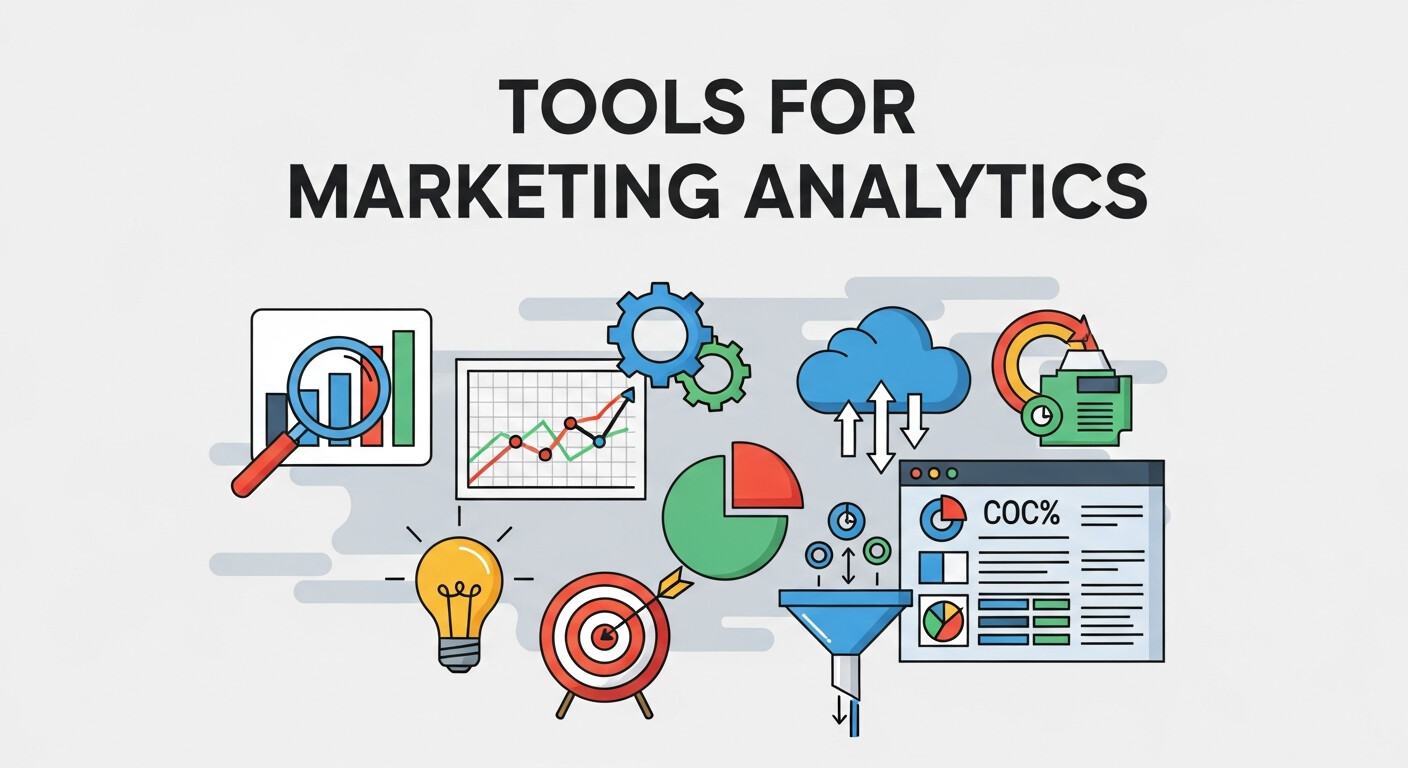
If you’re ready to start using marketing analytics, here are some popular tools to consider:
-
Google Analytics – Essential for monitoring your website stats and user behavior.
-
HubSpot – Best for CRM and marketing automation.
-
Hootsuite – Great for social media analytics and scheduling.
-
Tableau – A more sophisticated way to visualize data and build dashboards.
-
Adobe Analytics – Awesome for deep dives into website and campaign performance.
-
Kissmetrics – Customer behavior tracking experts.
Each of these tools has its own unique purposes, so it’s worth experimenting to see which combination best meets your goals.
Enhancing Customer Insights
Understanding customer behavior is essential for modern marketing strategies. By leveraging advanced analytics features, businesses can identify patterns in user interactions and predict what content or offers will resonate most. Combining web analytics data with demographic and behavioral insights allows marketers to tailor campaigns to specific audience segments. Companies can also track engagement across different channels to understand the customer journey more comprehensively. Tools like Google Analytics 4 make it easier to consolidate data from multiple touchpoints and measure performance effectively. The result is smarter decision-making and a more personalized experience that builds brand loyalty and encourages long-term customer relationships.
Optimizing Campaign Performance
Campaign optimization depends on accurate, timely insights. By analyzing metrics such as click-through rates, conversions, and traffic sources, businesses can determine which strategies deliver the best ROI. Advanced web analytics provide a detailed view of campaign effectiveness, revealing which channels generate the highest engagement and which need adjustment. Integrating historical data enables predictive modeling to anticipate campaign outcomes. Platforms like Google Analytics 4 simplify performance tracking across multiple campaigns, helping marketers focus on high-performing efforts. Utilizing these insights ensures budgets are spent efficiently, messaging reaches the right audience, and campaigns continuously improve over time, ultimately leading to better results and increased revenue.
Personalizing Customer Experiences
Creating personalized experiences requires understanding each customer’s unique preferences and behaviors. Advanced analytics features help marketers analyze browsing patterns, purchase history, and engagement data to deliver highly relevant content. By integrating this information with web analytics platforms, businesses can design offers and recommendations tailored to individual needs. Google Analytics 4 allows real-time tracking, so marketers can adjust campaigns dynamically to match evolving customer behavior. Personalization not only enhances user satisfaction but also increases conversion rates and brand loyalty. Companies that leverage data-driven insights effectively can anticipate customer needs, build stronger relationships, and gain a significant competitive advantage in their industry.
Identifying Emerging Trends
Staying ahead in a fast-changing market requires early recognition of emerging trends. Advanced web analytics allow marketers to analyze traffic patterns, engagement metrics, and content performance to detect shifts in consumer behavior. By using predictive modeling tools, businesses can forecast trends and adjust strategies proactively. Google Analytics 4 supports multi-channel data integration, providing a complete view of audience activity and enabling informed decision-making. Identifying these trends early helps companies optimize product launches, marketing campaigns, and content strategies. Brands that leverage insights effectively can outperform competitors, engage customers more effectively, and capitalize on opportunities before they become mainstream.
Streamlining Marketing Operations
Efficient marketing operations rely on clear visibility into campaign performance and audience behavior. Advanced analytics features allow teams to automate data collection, analyze multi-channel results, and generate actionable reports without manual effort. Web analytics platforms help unify insights from different sources, ensuring consistency across channels. Google Analytics 4 provides robust dashboards that track engagement, conversions, and user behavior in real time. This streamlining reduces inefficiencies and enables marketers to focus on strategy rather than manual reporting. Businesses that adopt these tools can save time, reduce errors, and enhance overall campaign effectiveness, resulting in higher ROI and improved operational efficiency across marketing departments.
Driving Data-Driven Decisions
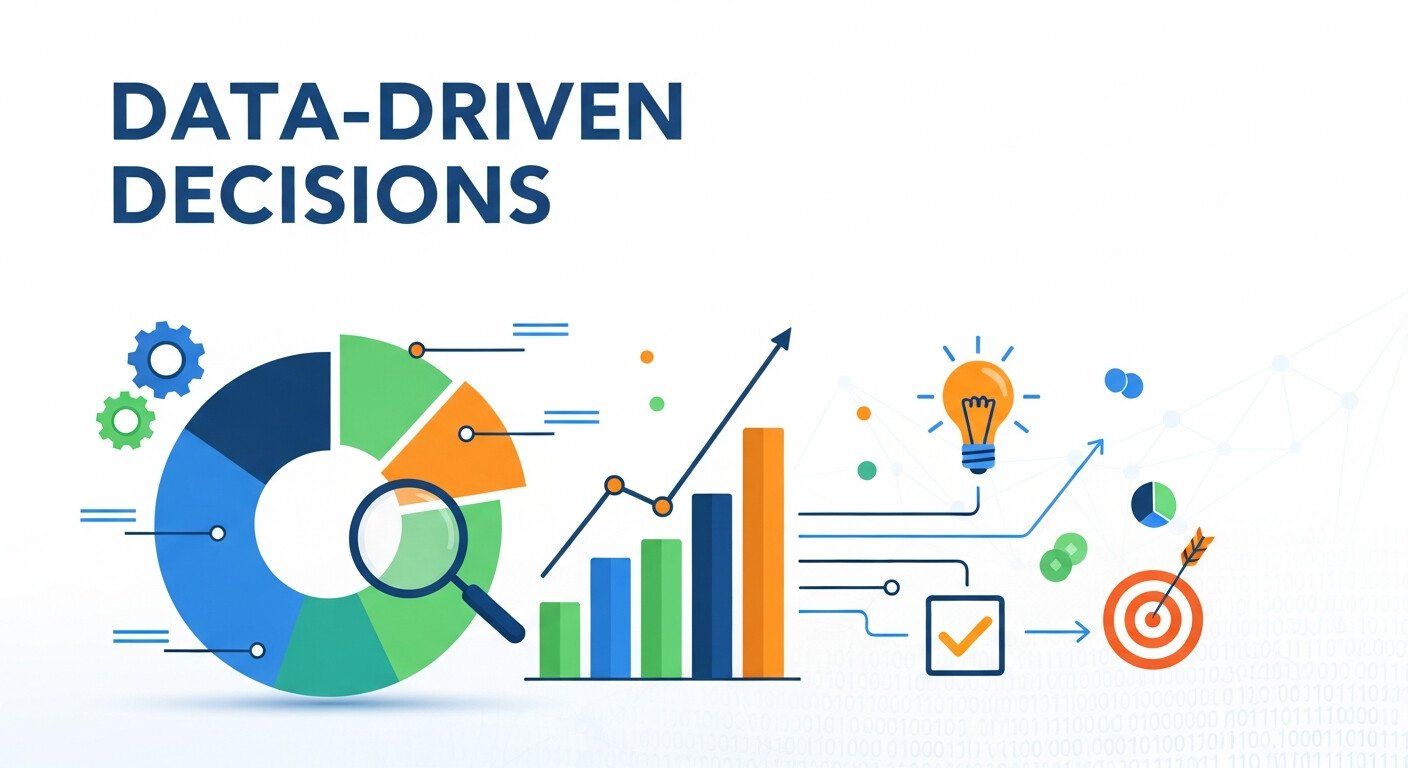
Making strategic decisions requires reliable, actionable insights. Advanced analytics features help marketers understand which tactics are working and which need adjustment. By leveraging web analytics, businesses can identify patterns in user behavior, measure campaign performance, and forecast outcomes. Google Analytics 4 allows for deeper segmentation and multi-channel analysis, ensuring decisions are grounded in real data. Data-driven decision-making reduces risk and enables teams to allocate resources more effectively. Companies that embrace this approach can refine targeting, optimize campaigns, and maximize ROI. Ultimately, leveraging analytics ensures marketing strategies are guided by evidence, not guesswork, enhancing overall business performance.
Measuring Long-Term Success
Tracking long-term performance is critical to understanding marketing effectiveness. Advanced analytics features help monitor trends in engagement, conversion, and retention over time. By analyzing historical data, marketers can assess which campaigns continue to deliver value and which strategies need recalibration. Web analytics platforms provide a comprehensive overview of performance metrics, while Google Analytics 4 enables detailed reporting across channels. Measuring long-term success allows businesses to refine strategies, predict future outcomes, and invest in campaigns that provide sustained growth. Brands that consistently analyze their results can adapt to market changes quickly, strengthen customer relationships, and maintain a competitive edge in their industry.
Applying Marketing Analytics
The thought of introducing a marketing analytics strategy may seem daunting. Here’s how you can get going:
-
Define Goals – Identify the goals you’d like to accomplish, such as better customer targeting, an increase in web traffic, or higher ROI.
-
Choose Your Metrics – Choose KPIs (key performance indicators) that matter to you.
-
Set Up Tools – Select and implement the analytics tools appropriate for your uses.
-
Collect Data – Begin capturing channels with the supplied data. Ensure consistency and compliance with privacy laws.
-
Analyze and Interpret – Discover new trends and actionable insights.
-
Take Action – Modify your strategies based on insights.
-
Continuously Optimize – Assess, measure, and refine your efforts for ongoing success.
Barriers to Marketing Analytics
Marketing analytics is incredibly rewarding, but not without obstacles. Here’s how to address some typical challenges:
-
Data Overload: Focus on core metrics; don’t analyze everything.
-
Siloed Data: Use integration tools to unify data.
-
Privacy Concerns: Get user permissions and comply with laws like GDPR and CCPA.
-
Skill Gaps: Offer training or hire data experts.
With proper planning, you can overcome these challenges and unlock the full potential of marketing analytics.
The Evolution of Marketing Analytics and How to Stay Ahead
Marketing analytics isn’t just about keeping up in the present; it’s about preparing for the future. As AI and machine learning continue to advance, we can expect even more predictive abilities and customer personalization in the future.
Invest in ongoing education and the latest tools for strong marketing analytics.
Discover how organizations across industries are adopting chatbot web applications to streamline communication and improve user experience.
Marketing Analytics FAQ
1. What is marketing analytics?
Marketing analytics is the process of collecting, measuring, analyzing, and interpreting marketing data. It combines quantitative data, like website traffic, with qualitative insights, such as customer feedback, to help optimize marketing strategies and business decisions.
2. Why is marketing analytics important for businesses?
It improves decision-making with real-time data, increases ROI by focusing on high-performing campaigns, personalizes customer experiences, provides a competitive advantage by tracking trends, and ensures accountability through measurable results.
3. What are the main components of marketing analytics?
The main components are data collection from multiple sources, data integration for a holistic view, tracking performance KPIs like engagement and conversions, and generating insights by identifying trends and actionable opportunities.
4. What are the types of marketing analytics?
The main types include web analytics, which tracks website performance; social media analytics, which monitors engagement; campaign analytics, which measures the success of specific campaigns; customer analytics, which studies behavior and preferences; and predictive analytics, which uses AI to forecast future trends.
5. Which tools are commonly used in marketing analytics?
Common tools include Google Analytics for website tracking, HubSpot for CRM and marketing automation, Hootsuite for social media analytics, Tableau for data visualization, Adobe Analytics for deep campaign analysis, and Kissmetrics for customer behavior tracking.
6. How can a business start using marketing analytics?
Start by defining clear marketing goals, choosing relevant KPIs, selecting and implementing analytics tools, collecting and organizing data consistently, analyzing trends and actionable insights, implementing changes based on findings, and continuously optimizing strategies for improvement.
7. What challenges do companies face in marketing analytics?
Challenges include data overload from tracking too many metrics, siloed data across platforms, privacy concerns requiring compliance with laws like GDPR and CCPA, and skill gaps that can be addressed with training or hiring experts.
8. How does marketing analytics improve ROI?
Marketing analytics improves ROI by identifying high-performing campaigns and channels, reducing wasteful spending on underperforming strategies, and enabling smarter budget allocation and investment decisions.
9. Can marketing analytics predict future trends?
Yes. Predictive analytics uses historical data and AI to forecast customer behavior and market trends, helping businesses make proactive, informed decisions.
10. What’s the future of marketing analytics?
The future includes greater use of AI and machine learning for predictive insights, hyper-personalized customer experiences, more automation in decision-making, and continuous learning and adoption of new tools to stay ahead.