

One of the fastest-growing branches of the marketing industry, marketing analytics enables marketers to balance an analytical process with creative problem-solving. As companies rely more and more on data to help inform their marketing decisions, the role of a marketing analyst is becoming more and more critical. This comprehensive blog post will teach you everything you need to know if you are contemplating a career in marketing analytics, from core skills to career advice.
What is Marketing Analytics and Why Does It Matter?
Marketing analytics summarize data about the effectiveness of marketing activities and KPIs. It’s just analyzing behavior, spotting trends , and serving up actionable insight to make smarter marketing decisions.
Here’s why marketing analytics is so critical:
-
Decisions Made From Data: Businesses can iterate on strategies using something so obvious, so logical, so tangible.
-
Improved ROI: It enables users to find out which campaigns provide the most value.
-
More Informed Customers: Marketers get to know their target audience more closely.
-
Remaining Competitive: More savvy inputs, enabled by analytics, keep organizations ahead of trends and nimble.
If you have a thing for numbers and the ability to interpret them and link the data to the real world, marketing analytics could be a good career choice for you.
Skills You Need for the Marketing Analytics Profession
To succeed in marketing analytics, you will need a mix of technical, analytical, and soft skills. Here are a few of the basics:
Technical Proficiency
-
Data Analysis Tools: A knowledge of Excel, Tableau, Power BI, Google Data Studio, or similar is key.
-
SQL: You need to know Structured Query Language to work with and query databases.
-
Coding Skills: Knowledge of rudimentary knowledge about programming languages, such as Python or R, can be useful for analyzing data far more extensively.
-
Google Analytics: A standard bearer for understanding web performance and campaign success.
Analytical Thinking
Being able to analyze sophisticated information and make action-generating conclusions is the name of the game. You should also be able to recognize trends and grasp how they relate to larger business objectives.
Marketing Knowledge
Just as a computer programmer needs to know a little marketing theory is useful. SEO, paid search, conversion rates, customer journeys — these are all terms you will encounter myriad of times over.
Communication Skills
Simply crunching numbers won’t cut it; you must explain your findings in a clear, compelling way, presenting visualizations that convey insights to stakeholders.
Adaptability
The world of marketing is constantly evolving. Keeping current on what’s new in tools, trends, and technology keeps you sharp.
Data Marketing Analytics for Strategic Growth
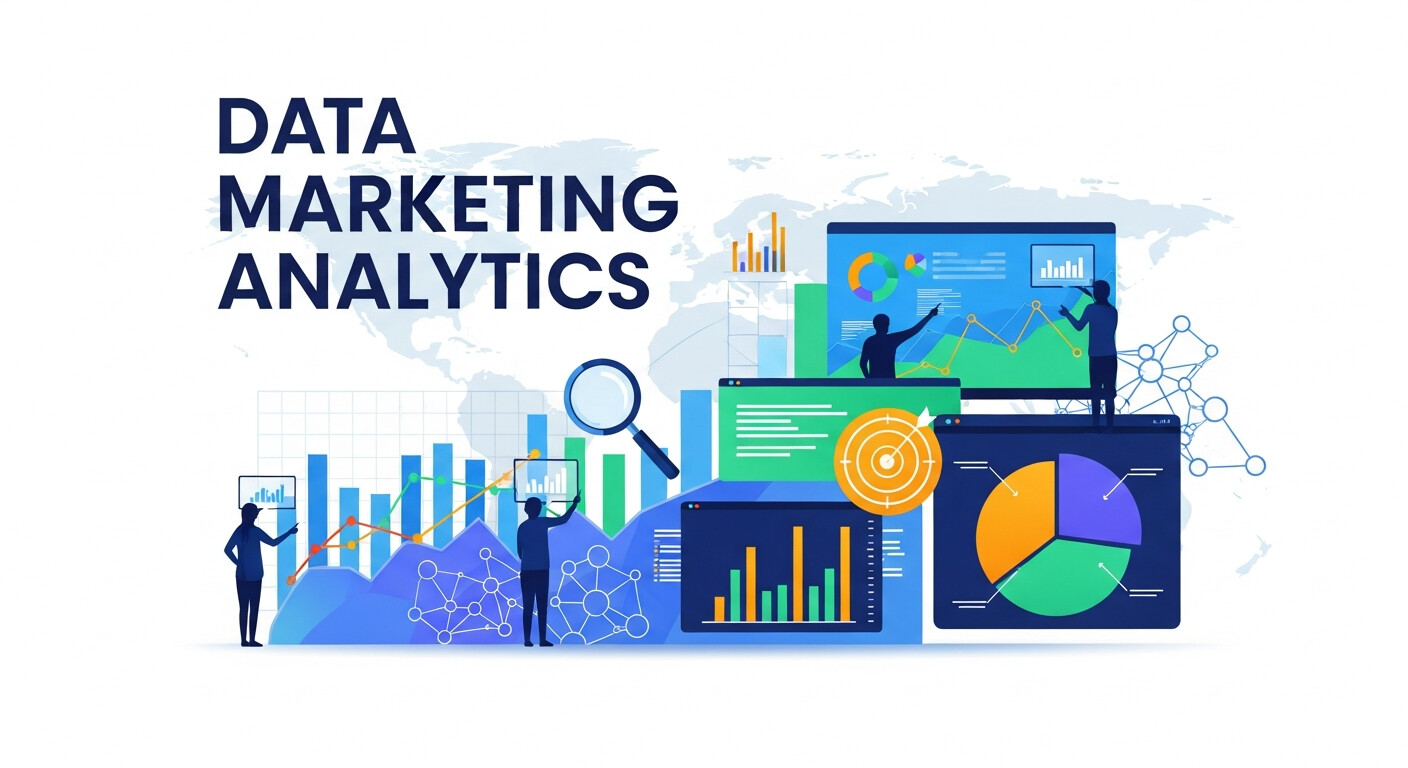
Data marketing analytics is essential for businesses aiming to make informed decisions. By analyzing customer interactions, campaign performance, and conversion data, companies can identify patterns and trends that drive growth. Analytics helps marketers determine which channels, campaigns, and messaging yield the best results, reducing guesswork and improving ROI. Using dashboards and reporting tools, insights can be translated into actionable strategies that optimize targeting, messaging, and budget allocation. Companies leveraging data marketing analytics gain a competitive edge by making real-time decisions, understanding audience behavior more accurately, and tailoring campaigns to meet customer needs. Ultimately, this approach strengthens brand impact and long-term profitability.
Top Data Analysis Techniques Every Marketer Should Know
Understanding top data analysis techniques is critical for marketing analysts. Techniques like regression analysis, cohort analysis, A/B testing, and predictive modeling help uncover insights from large datasets. These methods allow marketers to measure campaign effectiveness, identify high-value customers, and forecast trends. Visualizing results using dashboards and charts makes data easier to interpret and communicate to stakeholders. Combining these techniques with marketing knowledge enables precise targeting, personalized messaging, and better resource allocation. By mastering these top data analysis techniques, marketers can improve performance across channels, optimize budgets, and ensure that campaigns deliver measurable outcomes that align with business objectives.
Leveraging Data Analysis in Excel for Marketing Insights
Excel remains one of the most versatile tools for data analysis in marketing. From pivot tables to advanced formulas and charts, Excel allows analysts to organize, filter, and visualize large datasets efficiently. Marketers can use Excel to track campaign KPIs, segment audiences, and calculate ROI without the need for expensive software. Conditional formatting, lookup functions, and macros streamline workflow and uncover trends quickly. Excel also integrates with other analytics platforms, making it ideal for exporting and analyzing data from Google Analytics, social media, or CRM systems. Mastering data analysis in Excel equips marketers with practical skills to generate actionable insights and make data-driven decisions confidently.
Predictive Analytics for Marketing Success
Predictive analytics is transforming the way marketers plan campaigns. By analyzing historical data, machine learning algorithms can forecast customer behavior, engagement trends, and purchase likelihood. Marketers can anticipate future needs, optimize messaging, and personalize campaigns to maximize conversions. Predictive models help identify at-risk customers, measure potential ROI, and prioritize marketing resources effectively. Tools like Python, R, and AI-powered analytics platforms make these predictions more accurate and scalable. By incorporating predictive analytics into their strategies, businesses gain the ability to act proactively rather than reactively, reducing wasted spend and improving campaign effectiveness, while enhancing customer satisfaction and long-term loyalty.
Real-Time Marketing Analytics for Agile Campaigns
Real-time marketing analytics allows businesses to monitor campaign performance as it happens. This approach helps identify underperforming content, optimize ad targeting, and adjust messaging instantly. Platforms like Google Analytics, social media dashboards, and CRM systems provide live data on clicks, engagement, and conversions. Real-time insights empower marketers to make agile decisions, capitalize on trends, and improve ROI mid-campaign. By continuously analyzing performance metrics, teams can experiment with different creative elements, posting schedules, and audience segments. This dynamic feedback loop ensures campaigns remain relevant, impactful, and aligned with business goals, enabling marketers to respond faster than competitors and maintain a competitive edge in fast-paced digital environments.
Customer Segmentation Using Data Analysis
Customer segmentation is a powerful strategy in marketing analytics. By analyzing demographics, behavior patterns, purchase history, and engagement metrics, businesses can divide their audience into meaningful groups. Segmentation enables personalized campaigns, relevant content, and targeted promotions, improving engagement and conversion rates. Techniques such as clustering, RFM analysis, and cohort analysis help marketers identify high-value customers and predict behavior. Using data-driven segmentation, companies can optimize their marketing spend, reduce customer churn, and increase lifetime value. With advanced analytics tools, segmentation becomes more precise, allowing businesses to connect with customers on a deeper level and deliver messaging that resonates, ultimately strengthening loyalty and revenue growth.
Tracking ROI Through Marketing Analytics
Tracking ROI is crucial for evaluating the effectiveness of marketing campaigns. Marketing analytics tools allow businesses to measure the impact of each campaign on revenue, leads, or conversions. By linking digital metrics such as clicks, impressions, and conversions to financial outcomes, marketers can justify budgets and optimize resource allocation. Advanced attribution models, UTM parameters, and CRM integrations provide clarity on which campaigns drive tangible results. Continuous monitoring enables teams to improve underperforming campaigns, replicate successes, and focus on high-value activities. Accurate ROI tracking empowers marketers to make data-driven decisions, improve efficiency, and ensure that marketing efforts contribute directly to business growth and profitability.
Career Tracks within Marketing Analytics
Now, to be clear, marketing analytics is a big umbrella with lots of opportunities to work in this niche and at various different levels. Here’s what some career paths might look like:
Entry-Level Roles
-
Marketing Analyst
Concentrate on aggregating and reporting campaign performance data. -
Analyst (Marketing)
Clean, visualize, and report on data.
Mid-Level Roles
-
Marketing Data Scientist
Leverage advanced analytics and machine learning on big data sets. -
Customer Insights Manager
Inform the actions of the product org through your insights into how customers behave and what’s changing in the market.
Senior Roles
-
Marketing Analytics Manager
Lead a team of analysts in developing campaign strategy and performance enhancements. -
CMO with Analytics Tendencies
Operate marketing policies using analytics in large decision-making.
How to Get a Job in Marketing Analytics
Step 1: Get a Marketing Analytics Degree
First, Marketing Analytics is a statistic-based field.
Now that we have discussed the framework of marketing analytics and its career prospects, let’s drill down into some real steps on how to start moving in the right direction:
Get the Educational Baseline
Some employers favor candidates who hold degrees in marketing, statistics, economics, and/or computer science, but others value experience more than formal education. There are also short courses or certifications you can earn in analytics tools such as Google Analytics, Tableau, or HubSpot to further bolster your application.
Gain Relevant Experience
Internships or freelance projects may provide you with practical experience. Contribute to projects in the “real world” and provide insights from the data.
Build a Strong Portfolio
You should have case studies, data visualizations, and reports to show in your portfolio. Emphasize how your analysis resulted in tangible enhancements to campaigns and decision-making.
Master the Tools
Spend time to get good at: Marketing tools, get External Storage Directory(), or Environment. get External Storage Directory (String dirName). In the example above, your URI is not formatted.
-
Google Ads and Facebook Ads Managers (to identify the campaign)
-
CRM Semalt: tools like Salesforce or HubSpot (for recording customers)
-
Analytic software such as Looker and Power BINetwork Within the Field
Networking on LinkedIn, participating in marketing analytics webinars, and joining forums can also help you connect with individuals who can refer you to employment opportunities. Posting your own thoughts and projects can demonstrate your expertise.
Individualize Your Resume and Applications
Tailor your resume to the job description when applying to positions. Showcase applicable skills, tools, and achievements that pertain to the job requirements.
Popular Marketing Analysis Tools You Need to Know
Get more familiar with these industry-standard toys that will get you on the path to becoming recruiter bait:
-
Google Analytics – To get detailed insights on website traffic and performance data.
-
Tableau/Power BI – Develop dashboards and visualizations to deliver insights.
-
SEMRush/Ahrefs – Analyses about SEO issues, keywords they are ranking for.
-
Adobe Analytics – Measure campaign performance on paid, owned, and earned channels.
-
SQL Database – Truncate big data for analytics.
Marketing Analytics Trends for 2026
Marketing analytics is changing fast. And this is what’s popping to watch out for:
-
AI and Machine Learning
Artificial intelligence, automation, and predictive analytics are changing how marketing is done. -
Real-Time Analytics
Companies are also shifting to real-time data analysis so that they can respond more quickly to changes. -
Customer-Centric Analytics
Personalization and the perfect customer experience are the most important competitive differentiators. -
Privacy-Focused Marketing
Tracking without invading customer privacy is more important than ever in the era of GDPR and CCPA.
Your Passage to The World of Marketing Analytics
Marketing analytics merges creativity with numbers, making it an exciting field for content creators who are willing to straddle two worlds. Whether your interest is in crunching numbers or telling stories with data, this industry offers prospects for career growth and exciting opportunities ahead.
So you want to jump-start this career? Start by looking into certifications or learning platforms such as Google Analytics. If you think you are ready, sign up for our on-demand free Marketing Analytics Toolkit to learn the core tools you will need to call yourself a Marketing Analyst.
Discover practical strategies and case studies that show how data-driven marketing can lead to measurable success. Our article on data-driven marketing that drives real results provides insights on leveraging data to optimize campaigns and boost performance across channels.
Frequently Asked Questions (FAQ) – Marketing Analytics
1. What is marketing analytics?
Marketing analytics is the practice of collecting, measuring, and interpreting data from marketing campaigns and customer interactions to make smarter business decisions. It helps optimize strategies, track performance, and improve ROI.
2. Why is marketing analytics important for businesses?
It enables data-driven decisions, helps understand customer behavior, identifies high-performing campaigns, and allows marketers to allocate resources efficiently. It keeps businesses competitive and adaptable.
3. Which skills are essential for a marketing analyst?
Key skills include technical proficiency (Excel, SQL, Tableau), analytical thinking, marketing knowledge (SEO, conversion rates), communication skills, and adaptability to evolving trends.
4. What career paths exist in marketing analytics?
Roles range from entry-level marketing analyst and data analyst, to mid-level marketing data scientist or customer insights manager, up to senior positions like marketing analytics manager or CMO with analytics expertise.
5. Do I need a degree to start a marketing analytics career?
A degree in marketing, statistics, economics, or computer science is helpful, but practical experience, certifications, and a strong portfolio can often be equally valuable.
6. Which tools are most commonly used in marketing analytics?
Popular tools include Google Analytics, Tableau, Power BI, SEMrush, Ahrefs, Adobe Analytics, SQL databases, and marketing platforms like HubSpot or Salesforce.
7. How can I build a strong marketing analytics portfolio?
Include case studies, dashboards, data visualizations, and reports that demonstrate actionable insights and measurable improvements in campaigns or business performance.
8. How is AI changing marketing analytics?
AI and machine learning enable predictive analytics, automation, and real-time insights, allowing marketers to make faster, more informed decisions and personalize customer experiences.
9. What trends should marketers watch for in 2026?
Trends include AI-driven analytics, real-time campaign monitoring, customer-centric personalization, and privacy-focused marketing compliant with GDPR and CCPA regulations.
10. How can I get started in marketing analytics?
Start with certifications like Google Analytics, practice using analytics tools, gain practical experience through internships or projects, build a portfolio, and engage with industry networks for guidance and opportunities.