
Video content is taking center stage in almost every industry—from online marketing to security surveillance to sports performance. The rapid rise of video consumption has brought with it a wealth of data, and understanding this data is a game-changer for businesses and organizations. This is where video analytics comes in, and when combined with advanced data analysis methods, it can unlock groundbreaking insights.
This blog post will walk you through the essentials of video analytics, explore state-of-the-art data analysis methods, and demonstrate their applications in various fields. Whether you’re a marketer, a researcher, or a tech enthusiast, you’ll discover actionable strategies to make video analytics work for you.
What Is Mastering Video Analytics?
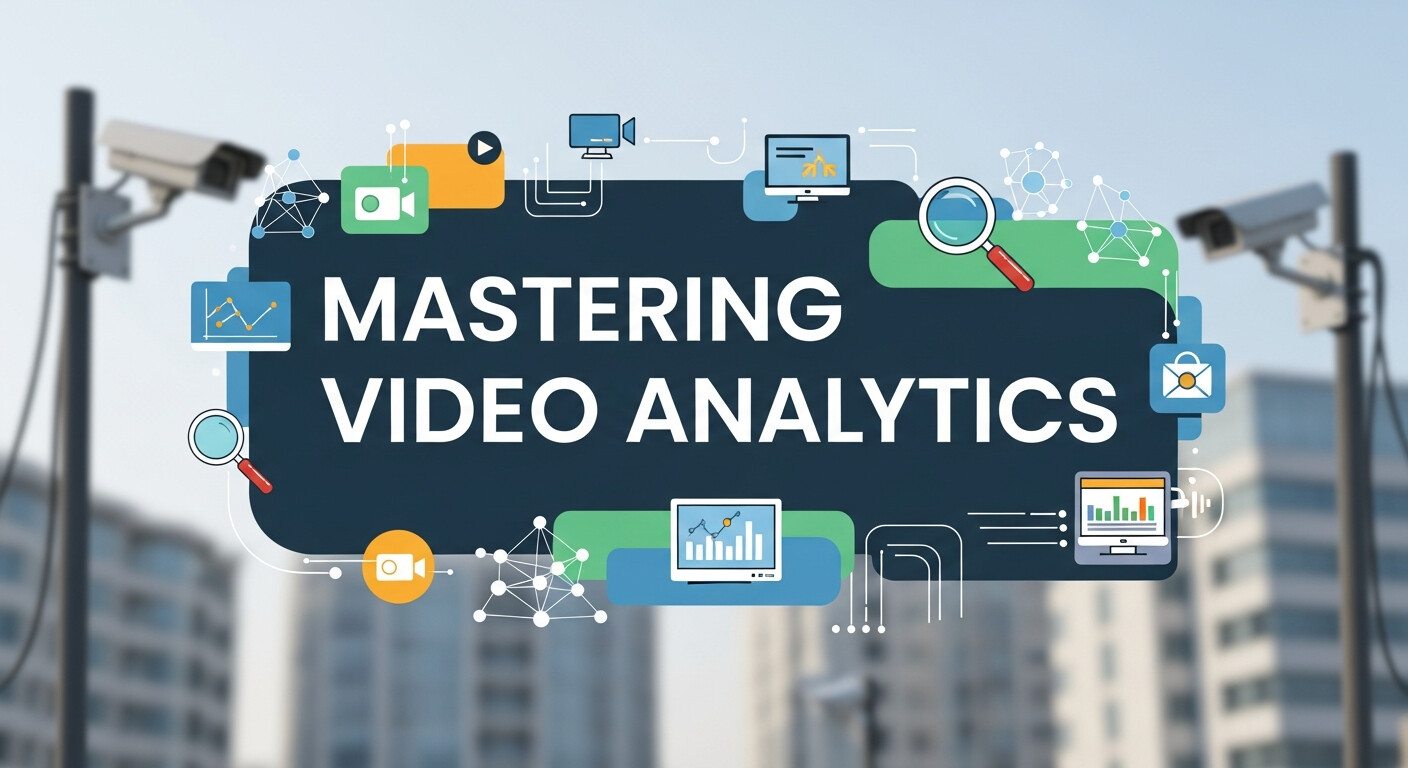
At its core, video analytics refers to the collection, processing, and interpretation of data derived from video content. It leverages artificial intelligence (AI), machine learning (ML), and computer vision to extract useful information from video feeds.
Here are some of the most common elements analyzed in video data:
- Movement detection (e.g., identifying objects in motion)
- Pattern recognition (e.g., tracking customer behaviors in retail)
- Scene segmentation (e.g., distinguishing between indoor and outdoor settings)
- Emotion detection (e.g., interpreting facial expressions)
This analytic process transforms raw footage into meaningful insights, helping organizations make data-driven decisions.
Fun Fact: By 2025, it is predicted that every second people will be creating 1.5 hours of video content across the globe. That’s a staggering volume of data ripe for analysis.
Why Advanced Data Analysis Methods Are Key
Video data, while rich in potential, is highly unstructured. Advanced data analysis methods are essential to bringing order to this chaos. These methods employ algorithms and technologies to detect patterns, discover trends, and generate accurate predictions from video feeds.
Some key techniques include:
- Deep Learning
Deep learning models, such as convolutional neural networks (CNNs), excel at recognizing objects, people, and actions in video content. These models learn directly from the data, identifying nuanced visual elements that traditional methods might miss.
- Real-time Data Processing
Real-time analytics helps in industries like security and live-event coverage, where instant decisions are critical. Real-time systems analyze video data as it streams, providing actionable insights without delays.
- Predictive Analytics
Using historical video data to anticipate future trends, such as predicting crowd behavior in public spaces or estimating an athlete’s performance.
Highly advanced tools make it possible to combine these methods into a unified system, resulting in higher accuracy, efficiency, and scalability.
Understanding Ethical Marketing Analytics
Ethical marketing analytics ensures that businesses collect, process, and use data responsibly while respecting consumer privacy. With growing concerns over data misuse, organizations need to adopt transparent practices that comply with regulations like GDPR and CCPA. Ethical analytics focuses on using customer insights to make informed marketing decisions without exploiting sensitive information. By prioritizing transparency, consent, and fairness, brands not only maintain trust but also enhance long-term customer loyalty. Tools and methodologies aligned with ethical analytics help organizations analyze customer behavior, segment audiences responsibly, and deliver personalized campaigns that resonate with their audience without compromising privacy.
The Role of Prescriptive Analytics in Decision-Making
Prescriptive analytics goes beyond descriptive and predictive approaches by recommending actionable steps based on analyzed data. Using optimization algorithms, machine learning models, and scenario simulations, it suggests the best course of action for marketing, operations, or business strategies. For instance, it can recommend the optimal budget allocation across campaigns, identify which customers are most likely to respond to offers, or suggest personalized product recommendations. This proactive approach helps businesses not only understand what happened or might happen, but also take precise actions to achieve desired outcomes. Prescriptive analytics bridges the gap between data insights and operational decisions.
Leveraging Voice of Customer Data for Insights
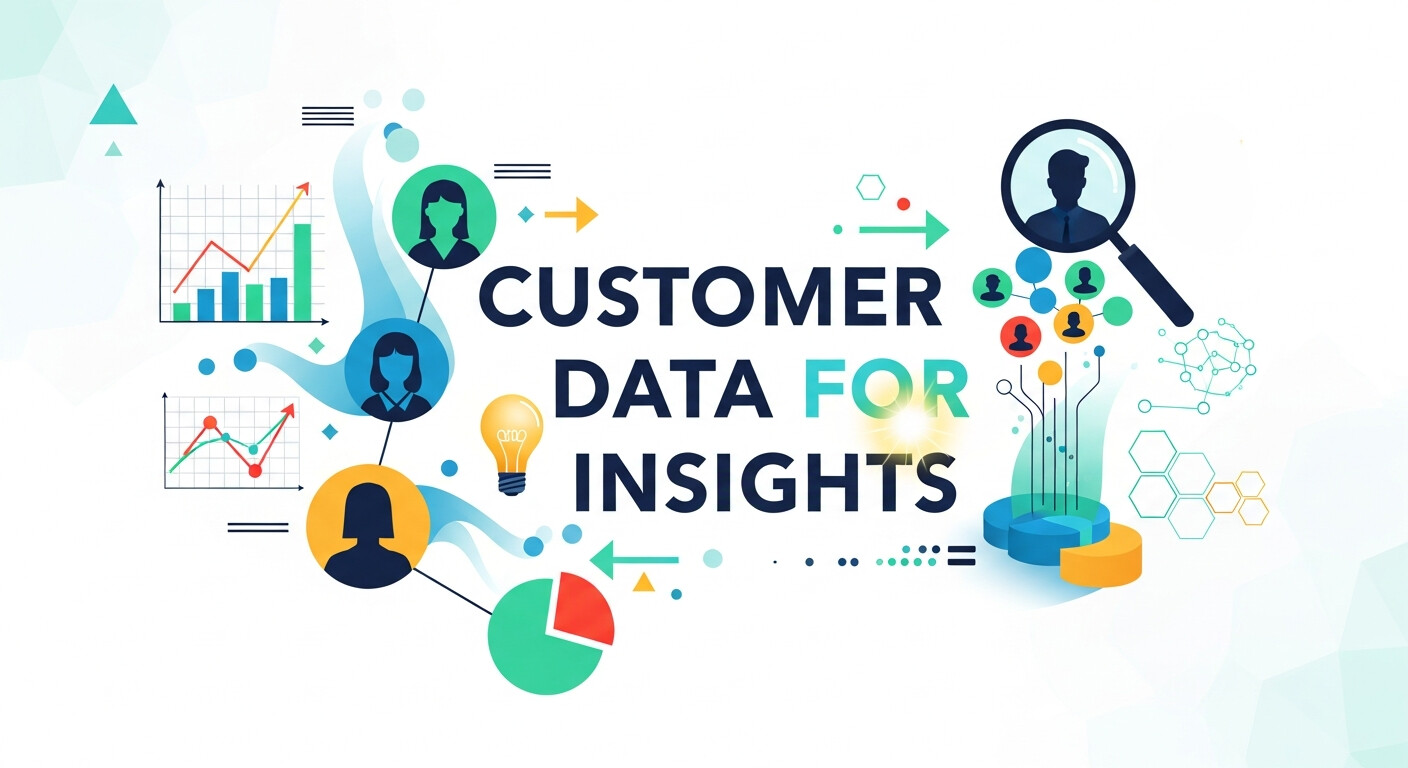
Voice of Customer (VoC) data captures feedback, opinions, and expectations directly from customers through surveys, reviews, social media, or support interactions. Analyzing VoC data helps businesses understand customer preferences, identify pain points, and improve product or service offerings. Advanced analytics tools can categorize and quantify sentiments, detect recurring issues, and uncover hidden patterns in customer feedback. Organizations that leverage VoC insights can enhance customer experience, improve satisfaction, and align their strategies with real user needs. Integrating VoC data with predictive and prescriptive analytics further allows companies to anticipate expectations and tailor solutions proactively.
Ethical Data Collection Practices
Collecting customer data ethically is critical in today’s data-driven marketing world. Ethical data collection involves obtaining explicit consent, being transparent about data usage, and ensuring anonymity when needed. Organizations should only collect relevant information that serves a legitimate business purpose and avoid unnecessary tracking or intrusive monitoring. Adopting best practices for ethical collection helps prevent data breaches, builds customer trust, and maintains regulatory compliance. Combining ethical data collection with advanced analytics ensures businesses gain actionable insights responsibly while safeguarding consumer privacy and maintaining a positive brand image.
Integrating Prescriptive Analytics with Marketing Campaigns
Prescriptive analytics can revolutionize marketing campaigns by offering actionable recommendations for targeting, timing, and content personalization. By analyzing historical campaign data, customer behaviors, and external market trends, prescriptive models suggest which strategies will yield the best ROI. For example, it may recommend adjusting ad placements, optimizing email sequences, or prioritizing high-value customers for promotions. This approach reduces guesswork, improves campaign efficiency, and ensures marketing efforts are data-driven. Organizations that integrate prescriptive analytics into campaign planning can achieve measurable growth, enhanced engagement, and superior decision-making capabilities.
Monitoring Customer Sentiment through Voice of Customer Analytics
Voice of Customer analytics allows organizations to track sentiment in real time and uncover trends in customer feedback. Text mining, natural language processing (NLP), and sentiment scoring tools transform qualitative feedback into actionable insights. Brands can detect satisfaction trends, identify recurring complaints, and evaluate reactions to new products or campaigns. Understanding customer sentiment helps organizations proactively address concerns, refine messaging, and improve service delivery. By integrating VoC analytics into strategy, businesses can create a customer-centric culture, boost retention, and ensure marketing and operational decisions reflect actual user experiences.
Ensuring Compliance in Ethical Marketing Analytics
Compliance is a core component of ethical marketing analytics. Organizations must adhere to global privacy laws and industry-specific regulations while analyzing customer data. Compliance ensures that data collection, storage, and usage practices meet standards such as GDPR, CCPA, or HIPAA. Tools supporting compliance allow businesses to track consent, manage data access, and anonymize sensitive information. Prioritizing ethical analytics and compliance mitigates legal risks, strengthens consumer trust, and builds a sustainable data strategy. Brands that implement robust compliance frameworks can confidently leverage marketing insights while maintaining integrity and accountability.
Combining Prescriptive Analytics and VoC Data for Strategic Advantage
Integrating prescriptive analytics with Voice of Customer data enables organizations to take customer feedback and translate it into actionable strategies. For example, if VoC insights reveal dissatisfaction with a service, prescriptive analytics can suggest specific operational improvements or communication tactics to resolve issues. This synergy empowers businesses to proactively enhance customer experience, optimize resource allocation, and drive loyalty. By continuously analyzing feedback and implementing recommended actions, companies can create data-driven strategies that are both customer-focused and results-oriented, turning raw opinions into measurable business outcomes.
Applications of Video Analytics Across Industries
1. Marketing and Retail
Businesses are implementing video analytics to gain insights into consumer behavior. For example:
- Heatmaps generated from surveillance footage in retail show which product displays grab customer attention.
- Online video ads are evaluated using viewer engagement metrics, like average watch time and sentiment analysis.
Example: Coca-Cola implemented video analytics to monitor in-store advertising. They used footage to measure customer engagement with vending machines and increased marketing campaign ROI by 20%.
2. Security and Surveillance
Video analytics has become critical in public and private security:
- Threat detection through motion tracking.
- Facial recognition to identify individuals in high-risk areas.
- Real-time alerts for unauthorized access.
Case Study: The city of Chicago uses video analytics across thousands of surveillance cameras to monitor crime hotspots and assist first responders.
3. Sports Performance
Athletes and coaches rely on video analysis to refine techniques and optimize performance. Advanced data methods can:
- Track motion during gameplay.
- Evaluate player speed and stamina.
- Provide metrics to analyze strategies.
Example: The National Basketball Association (NBA) uses video analytics to determine player positioning and create strategic plays.
4. Healthcare
Healthcare providers are utilizing video analytics to improve patient care and operational efficiency:
- Monitoring compliance in hygiene practices.
- Using video footage to assess patient movement in recovery wards.
- Detecting signs of physical distress using emotion recognition software.
5. Transport and Automotive
From traffic analysis to autonomous vehicles, video analytics plays a key role:
- Monitoring traffic patterns to optimize urban traffic flows.
- Assisting autonomous vehicles with detecting obstacles and pedestrians.
- Identifying high-risk zones in accident-prone areas.
Key Challenges in Video Analytics
Despite its immense potential, video analytics isn’t without its challenges:
- Data Privacy Concerns
Handling video feeds, especially those containing personal data, raises significant privacy issues. Organizations need robust policies to ensure legal compliance.
- Computational Overheads
Processing video data requires significant computational resources. Businesses must weigh the cost of infrastructure against the benefits gained.
- Data Integration
Integrating video analytics with existing data pipelines and systems can be cumbersome, especially for organizations new to AI and ML technologies.
How to Get Started with Video Analytics
Step 1. Define Goals
Clearly outline what you aim to achieve with video analytics, whether it’s to improve security, enhance marketing campaigns, or optimize logistics processes.
Step 2. Choose the Right Tools
Opt for powerful analytics platforms tailored to your needs, such as Google Cloud Video Intelligence, IBM Watson Visual Recognition, or Amazon Rekognition.
Step 3. Collect Quality Data
Remember, better data leads to better insights. Use high-resolution video feeds and ensure consistent lighting and camera angles.
Step 4. Partner with Experts
Collaborate with data scientists, machine learning engineers, or video analytics consultants to help you implement the right strategies.
Unlock the Future with Video Analytics
The integration of advanced data analysis methods into video analytics marks a turning point for businesses across all industries. With AI and machine learning at the core of these technologies, organizations can gain a deeper understanding of their operations, customers, and markets.
By leveraging these insights, companies can make smarter decisions, improve operational efficiency, and stay ahead of the competition. Whether you’re enhancing your marketing strategies, upgrading security measures, or exploring new business opportunities, video analytics is an investment in the future.
Frequently Asked Questions (FAQs)
1. What is video analytics?
Video analytics is the process of collecting, processing, and interpreting data from video content. It uses AI, machine learning, and computer vision to extract meaningful insights such as motion detection, pattern recognition, scene segmentation, and emotion analysis.
2. Why are advanced data analysis methods important in video analytics?
Video data is unstructured and complex. Advanced methods like deep learning, predictive analytics, and real-time processing help detect patterns, trends, and anomalies, turning raw footage into actionable insights.
3. Which industries benefit the most from video analytics?
Video analytics is used widely in marketing, retail, security, sports, healthcare, and transportation. It helps businesses optimize operations, enhance customer experiences, improve safety, and make data-driven decisions.
4. What tools are used for video analytics?
Popular platforms include Google Cloud Video Intelligence, IBM Watson Visual Recognition, Amazon Rekognition, OpenCV, and custom AI/ML models for specialized video analysis tasks.
5. What are the main challenges in video analytics?
Key challenges include data privacy concerns, computational overheads, and integration with existing systems. Organizations must ensure secure handling, invest in infrastructure, and align analytics with business goals.
6. How can beginners get started with video analytics?
Start by defining clear goals, collecting quality video data, choosing the right tools, and collaborating with experts. Learning platforms, tutorials, and AI/ML resources can also help newcomers gain practical experience.
7. Can video analytics work in real-time?
Yes. Real-time video analytics is critical in security, live events, and autonomous systems. It allows instant detection, alerts, and decision-making based on streaming video data.
8. How does video analytics improve marketing?
It provides insights into customer behavior, engagement, and preferences. Heatmaps, viewer metrics, and sentiment analysis help optimize campaigns, in-store displays, and online advertisements.
9. Is video analytics expensive to implement?
Costs vary depending on data volume, computational needs, and platform choice. Cloud-based solutions and scalable AI tools can reduce infrastructure investment, making it more accessible for businesses of all sizes.
10. What is the future of video analytics?
Video analytics will continue evolving with AI, machine learning, and big data integration. Businesses can expect improved accuracy, automated insights, and more advanced predictive capabilities across all sectors.