
When it comes to generating quality leads on purpose in a world of fierce competition, generic one-size-fits-all marketing strategies just don’t cut it any longer. Along comes Account-Based Marketing (ABM), the ultra-relevant foray that unites marketing and sales to concentrate on high-value accounts. But what sets ABM apart from good to great? A demand generation engine that is powered by a marketing analytics-driven machine.
Why Pair ABM with Marketing Analytics?
Account-based marketing is all about precision, and precision relies heavily on data. While ABM identifies and targets specific accounts, marketing analytics turns raw data into actionable insights. These insights enhance every stage of your ABM campaigns, ensuring your efforts are strategic, purposeful, and ultimately effective. Specific advantages include:
- Deeper Audience Insights: Analytics provides in-depth information about the target accounts’ pain points and purchasing behavior.
- Optimization Opportunities: ABM supported by analytics enables constant campaign optimization based on real-time performance metrics.
- Measurable ROI (Return on Investment): Robust analytics confirm whether your ABM efforts are driving results, minimizing guesswork and resource wastage.
- Better Cross-Team Alignment: Analytics fosters a data-driven approach that aligns sales and marketing around shared goals.
Before you build an analytics-driven demand generation engine, you first need to understand the data points that will guide your strategy.
Step 1: Build a Target Account List Using Analytics
At the heart of every ABM campaign is a precise target account list. But how do you define your ideal accounts with confidence? The answer lies in data-backed Ideal Customer Profiles (ICP).
Leveraging Analytics for ICP Development
Here’s how analytics can shape your ICP and target list:
- Firmographic Data
Use firmographics like industry, company size, location, and annual revenue to identify potential accounts that align with your offerings.
- Technographic Insights
Identify the tools, platforms, or systems your ideal accounts are using. For example, if your product integrates seamlessly with Salesforce, your ICP should focus on businesses already using Salesforce CRM.
- Intent Data
Partners like Bombora and Demandbase offer intent data that indicates which companies are actively researching solutions in your category.
Tools to Build Your List
Platforms like ZoomInfo, Salesforce, or HubSpot Account Targeting Tools integrate analytics into your ABM campaigns, providing hands-on support for gathering the data above.
Pro Tip: Avoid overloading your target list with too many accounts. Start with a shortlist of 50 to 100 accounts to keep your initial campaigns manageable and focused.
Step 2: Create Personalized Campaign Strategies

Once you have your list, the next step is to authenticate and align your campaign strategies. Generic messaging is the Achilles’ heel of ABM. Instead, marketing analytics provides granular details, empowering you to tailor your campaigns to each account.
How Analytics Drives Campaign Personalization
- Content Preferences
Analytics can show whether your target accounts engage more with blog posts, video content, or white papers, allowing you to provide material they’re more likely to consume.
- Behavioral Data
Data from account activity on your website, email engagement, or social media interactions reveals pain points or interests. For example, if your prospect frequently reads blog posts about marketing automation, you can craft messaging around automation solutions for them.
- Preferred Channels
Does a particular account respond better to email marketing or LinkedIn ads? Use analytics to allocate resources to the right channels for each account.
Example: Adobe’s ABM success often comes down to their ability to incorporate analytics into their personalization strategies. By analyzing prospect behaviors and preferences, Adobe tailors content and outreach aligned with specific needs.
Step 3: Activate Real-Time Analytics in Execution
When launching ABM campaigns, tapping into real-time analytics tools ensures you’re not flying blind. These tools provide actionable insights into the effectiveness of every communication touchpoint.
Key Metrics to Measure During Execution
- Engagement Rates
Measure how actively key accounts consume your content. Metrics like click-through rates, video watch times, and social media engagement indicate how well your messaging resonates.
- Pipeline Velocity
Analytics helps track how quickly a potential lead moves down the sales pipeline. Comparing against benchmarks can reveal bottlenecks that require intervention.
- Channel Performance
Understanding which platforms (LinkedIn, emails, direct mail) are driving engagement allows you to put resources where they create the biggest impact.
Step 4: Align Sales and Marketing with Unified Analytics
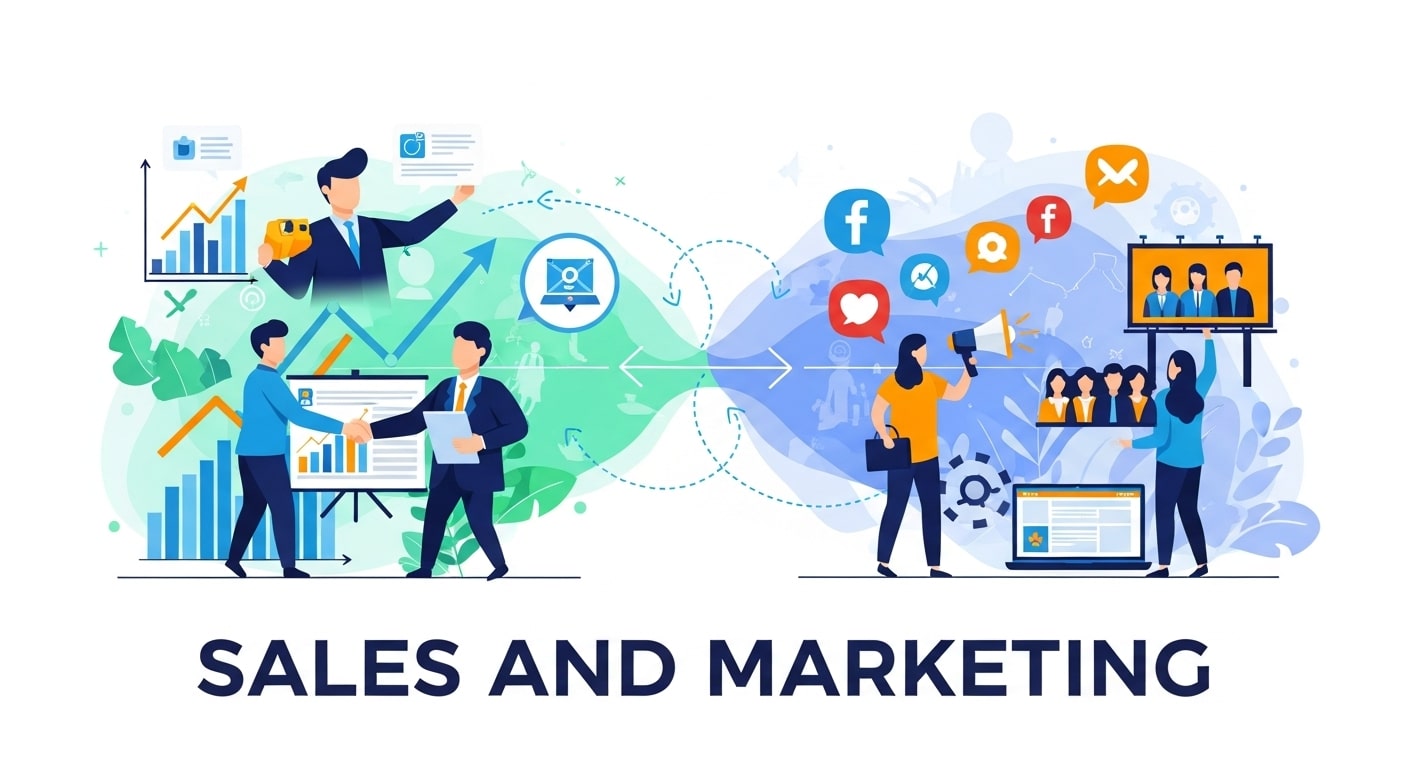
ABM thrives on tight alignment between sales and marketing teams. Why? Because both are working toward the same goal of closing high-value accounts. Analytics provides teams with a shared language for understanding account progress, challenges, and opportunities.
Bridging the Gap with Analytics
- Shared Dashboards
Tools like Salesforce, HubSpot, or Marketo provide custom dashboards that both teams can access to get real-time updates on account activity and progress.
- Collaborative Insights
Analytics equips sales teams with detailed insights, such as engagement history or white paper downloads, empowering their outreach efforts to be more personalized.
- Feedback Loop
Marketing can use data from sales, like reasons for lost deals or objections faced, to refine campaign messaging and strategies.
Step 5: Analyze Performance and Optimize
Post-campaign analysis is a critical aspect of any ABM strategy. The data gathered ensures accountability and fosters an environment of continuous improvement.
Important Metrics in Post-Campaign Analytics
- Account Engagement
Measure how much interaction occurred at the account level to understand campaign penetration.
- Cost Per Account Engagement (CPAE)
Divide total campaign spend by the number of engaged accounts to gauge cost efficiency.
- ROI Per Account
Compare the revenue generated versus the cost of targeting specific accounts.
- Sales Qualification Rate (SQR)
Evaluate how many target accounts transitioned into sales-qualified leads.
The Role of Predictive Analytics in ABM
Predictive analytics plays a vital role in elevating Account-Based Marketing strategies by anticipating future buyer behavior based on historical and real-time data. Instead of reacting to past performance alone, predictive models help marketers identify which accounts are most likely to convert, expand, or churn. By analyzing patterns such as content engagement, purchase cycles, and intent signals, teams can prioritize accounts with the highest revenue potential. This proactive approach improves resource allocation and shortens sales cycles. Predictive analytics also supports more accurate forecasting, allowing both sales and marketing teams to plan campaigns with confidence. When embedded into an ABM demand generation engine, predictive insights ensure that outreach efforts are timely, relevant, and focused on accounts that matter most.
Using Intent Data to Strengthen ABM Targeting
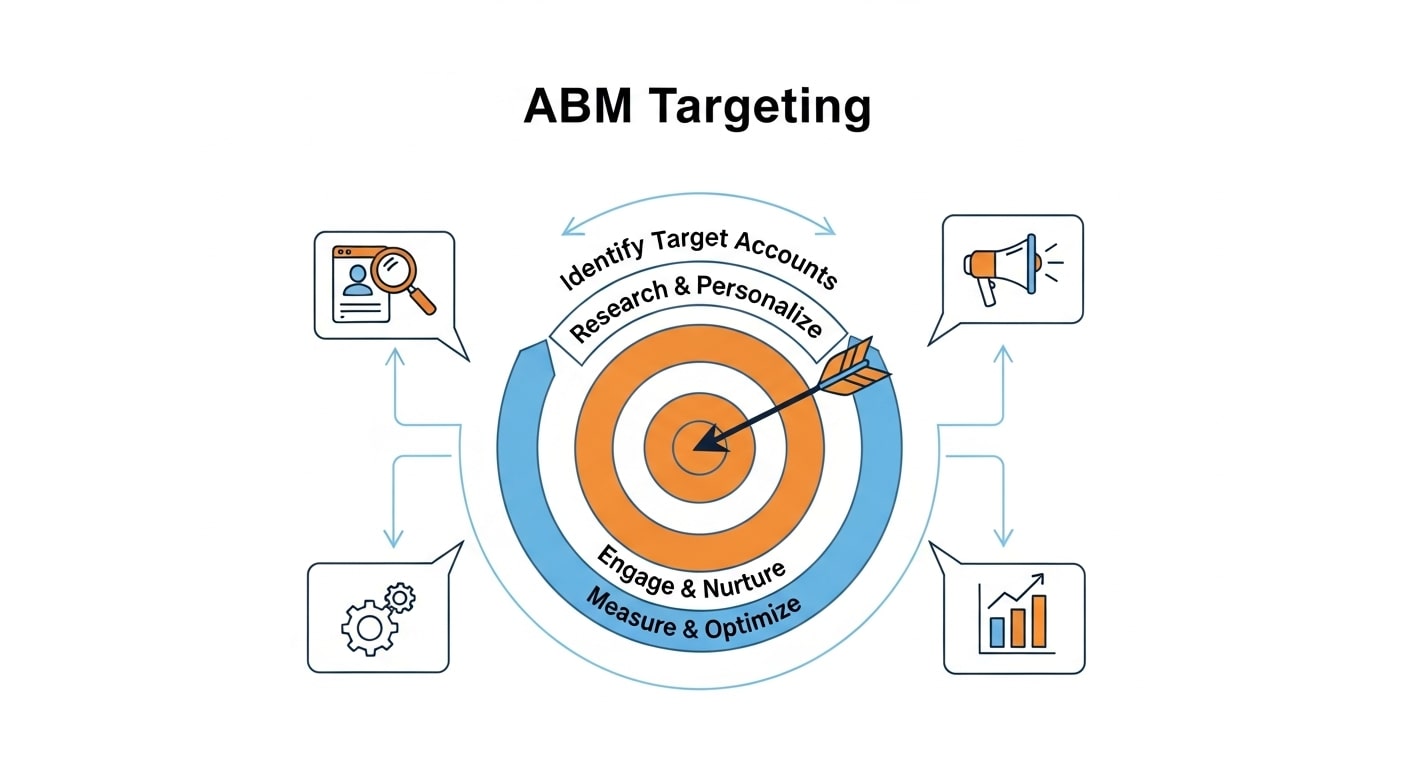
Intent data adds a powerful layer of intelligence to ABM by revealing which companies are actively researching solutions like yours. Rather than relying solely on firmographic or technographic data, intent signals provide insight into real buyer interest and urgency. These signals may include content consumption, keyword searches, or engagement with third-party research platforms. By incorporating intent data into your analytics-driven ABM strategy, you can engage accounts at the right moment in their buying journey. This leads to higher engagement rates, better conversations, and improved conversion outcomes. Intent-driven targeting helps sales and marketing teams focus on accounts that are not just a good fit, but also ready to buy.
Account-Level Attribution and Revenue Measurement
One of the biggest advantages of combining ABM with marketing analytics is the ability to measure revenue impact at the account level. Traditional attribution models often focus on individual leads, but ABM requires a broader view of multiple stakeholders and touchpoints. Account-level attribution tracks how various campaigns, channels, and interactions influence deal progression and revenue generation. This visibility helps marketers understand which tactics contribute most to pipeline growth and closed deals. With accurate attribution, teams can justify budget decisions, eliminate underperforming channels, and scale high-impact strategies. Ultimately, account-level revenue measurement ensures that ABM investments are tied directly to business outcomes, not vanity metrics.
The Importance of Data Hygiene in ABM Analytics
A strong analytics-driven ABM strategy depends heavily on clean, accurate, and up-to-date data. Poor data quality can lead to misaligned targeting, irrelevant messaging, and unreliable performance insights. Data hygiene involves regularly updating account information, removing duplicates, standardizing fields, and validating data sources. It also requires alignment between marketing automation platforms, CRM systems, and third-party data providers. When data hygiene is prioritized, analytics outputs become more trustworthy and actionable. This allows teams to make confident decisions about account selection, personalization, and optimization. Maintaining data quality is not a one-time task but an ongoing process that safeguards the effectiveness of your ABM demand generation engine.
Scaling ABM Campaigns with Advanced Analytics
As ABM programs mature, scaling becomes a key challenge. Advanced marketing analytics enables organizations to expand ABM efforts without sacrificing personalization or efficiency. By identifying repeatable patterns across successful accounts, analytics helps teams replicate winning strategies across larger account segments. Automation combined with analytics allows marketers to deliver personalized experiences at scale, while still maintaining relevance. Performance data also highlights which industries, account tiers, or regions respond best to specific campaigns. This insight supports smarter expansion decisions and reduces risk when scaling ABM initiatives. With the right analytics foundation, businesses can grow their ABM programs sustainably while maintaining strong engagement and ROI.
Actionable Takeaways to Build Your ABM Engine
We know by now that marketing analytics are the bedrock of an efficient ABM demand generation machine. Let data be your compass so that you can target the right accounts with the right message, and you can deliver the message to the entire team and measure results.
Are you ready to construct your marketing analytics-led demand generation engine for your ABM strategy? For professional help at every stage, call us today!
Future Trends in Analytics-Driven ABM

The future of ABM is deeply connected to advancements in marketing analytics and artificial intelligence. Emerging technologies such as AI-driven personalization, machine learning models, and real-time decision engines are transforming how accounts are targeted and engaged. These innovations allow marketers to deliver hyper-personalized experiences across channels with minimal manual effort. Additionally, predictive scoring and automated insights are becoming more accessible, enabling faster and more accurate decision-making. As data privacy regulations evolve, first-party data and ethical data usage will also become increasingly important. Organizations that invest early in advanced analytics capabilities will be better positioned to adapt, compete, and lead in the next generation of ABM strategies.
Frequently Asked Questions (FAQs)
1. What is Account-Based Marketing (ABM)?
Account-Based Marketing (ABM) is a focused B2B marketing strategy where sales and marketing teams work together to target a specific group of high-value accounts. Instead of casting a wide net, ABM delivers personalized messaging and campaigns designed to engage key decision-makers within those accounts.
2. Why is marketing analytics important for ABM?
Marketing analytics plays a critical role in ABM because it transforms raw data into actionable insights. Analytics helps teams understand account behavior, optimize campaigns in real time, accurately measure ROI, and ensure that marketing and sales efforts remain aligned and effective.
3. How does analytics improve ABM personalization?
Analytics improves personalization by revealing content preferences, engagement patterns, pain points, and channel behavior at the account level. This data allows marketers to tailor messages, offers, and outreach strategies that resonate with the unique needs of each target account.
4. What data is used to build an Ideal Customer Profile (ICP) for ABM?
An Ideal Customer Profile is built using firmographic data such as industry, company size, revenue, and location, along with technographic data that identifies the tools and platforms a company uses. Intent data is also leveraged to identify accounts actively researching solutions in a specific category.
5. What tools support analytics-driven ABM strategies?
Analytics-driven ABM strategies are commonly supported by platforms such as Salesforce, HubSpot, Marketo, ZoomInfo, Demandbase, and Bombora. These tools help collect, analyze, and activate data throughout the ABM lifecycle.
6. How many accounts should be targeted in an ABM campaign?
For most organizations, it is best to begin with a focused list of 50 to 100 high-value accounts. This approach keeps campaigns manageable, allows for deeper personalization, and makes performance measurement more accurate.
7. Which metrics should be tracked during ABM execution?
During execution, teams should track metrics such as account engagement, pipeline velocity, content interaction, and channel performance. These indicators help determine whether campaigns are resonating and moving accounts closer to conversion.
8. How does analytics help align sales and marketing teams?
Analytics creates alignment by providing shared dashboards, common KPIs, and real-time visibility into account activity. This shared data enables both teams to collaborate more effectively, personalize outreach, and respond quickly to opportunities or challenges.
9. How is ABM campaign success measured?
ABM success is measured by evaluating account-level engagement, cost per engaged account, ROI per account, sales qualification rates, and overall revenue impact compared to campaign spend.
10. Is ABM suitable for every business?
ABM is most effective for B2B organizations with longer sales cycles, high-value deals, and clearly defined target accounts. It is particularly well suited for SaaS, enterprise technology, and professional services companies.
 Rosemary Barker