

In today’s competitive landscape, understanding customers at a granular level is essential for business success. Customer segmentation, powered by marketing analytics and machine learning, allows businesses to divide their audience into meaningful groups based on demographics, behavior, psychographics, and engagement across multiple channels. By leveraging predictive models, clustering algorithms, and real-time scoring, companies can deliver personalized campaigns, optimize ad spend, increase customer loyalty, and forecast future behaviors.
In today’s hyper-competitive landscape, understanding your customers at a granular level is no longer optional—it’s essential. By combining robust marketing analytics with advanced machine learning techniques, businesses can identify meaningful customer segments, tailor personalized campaigns, and maximize return on investment. This comprehensive guide explores the synergy between analytics and AI-driven models to elevate your segmentation strategy.
What Is Customer Segmentation?
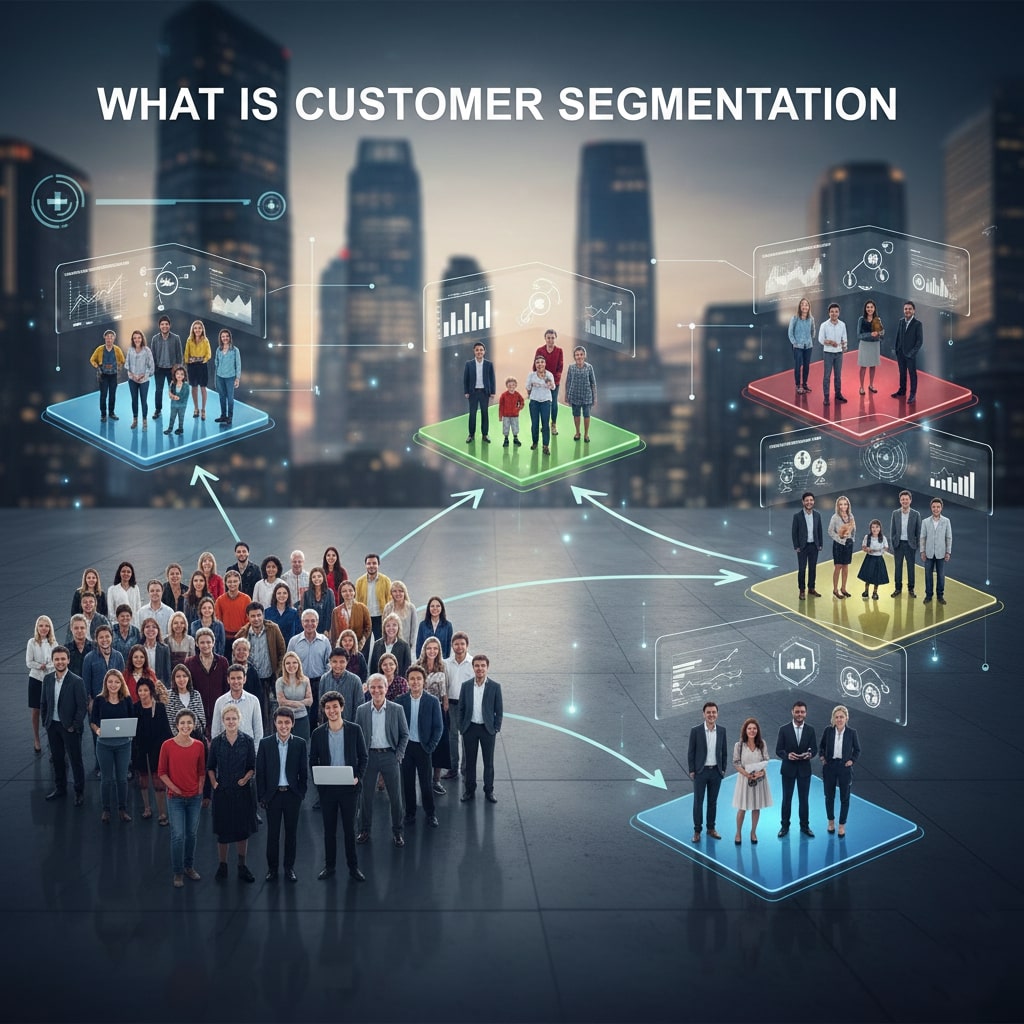
Customer segmentation is the process of dividing a company’s customer base into distinct groups that share similar characteristics, behaviors, or needs. Effective segmentation enables marketing teams to:
- Deliver tailored messaging and offers
- Optimize ad spend by targeting high-value segments
- Improve customer satisfaction and loyalty
- Forecast future buying behaviors with higher accuracy
Traditional methods rely on basic demographics or purchase history. However, modern customers interact across multiple channels—websites, mobile apps, social media—and leave behind digital footprints that can unlock deeper insights.
The Role of Marketing Analytics in Segmentation
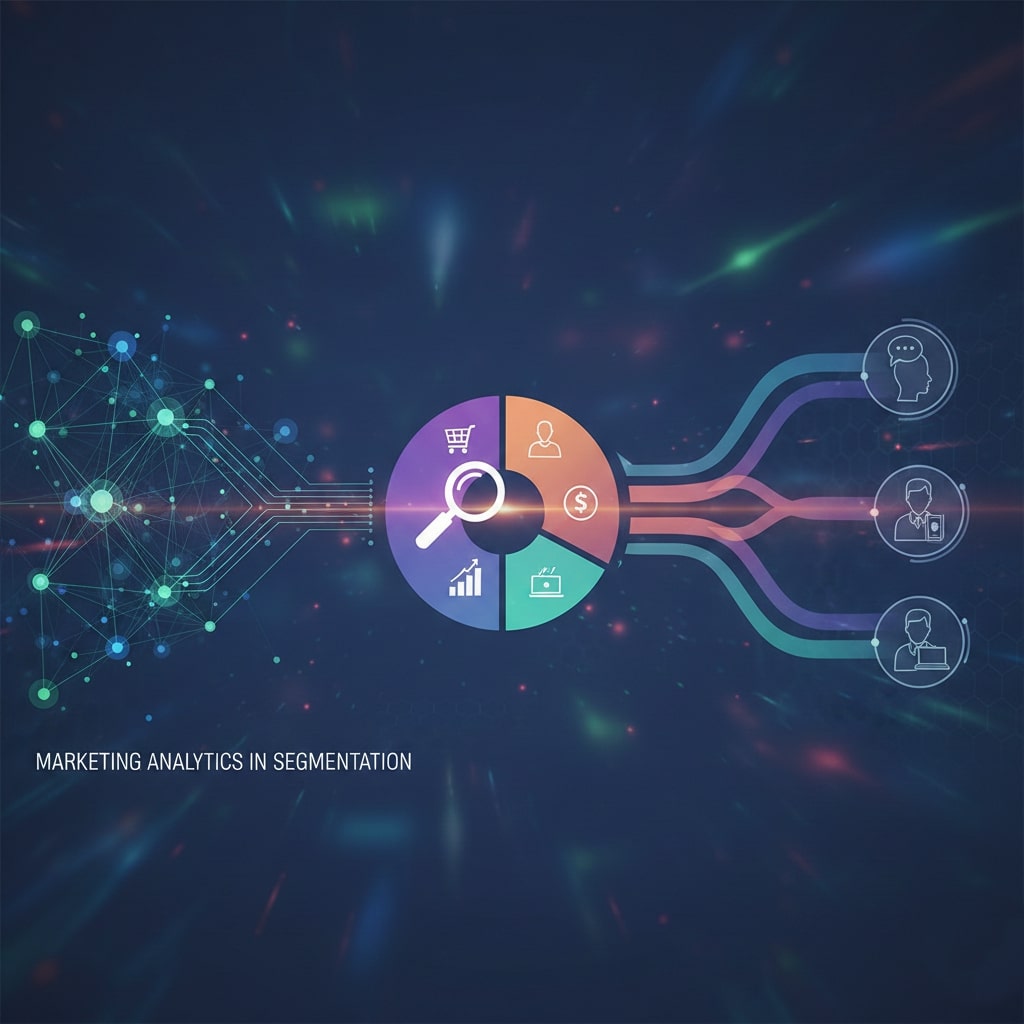
Marketing analytics is the backbone of data-driven segmentation. By collecting, cleaning, and interpreting data from various touchpoints, analytics platforms enable you to identify patterns and cluster customers based on attributes such as:
- Demographics (age, gender, income)
- Behavioral metrics (website visits, click-through rates)
- Transaction data (average order value, purchase frequency)
- Engagement signals (email opens, social interactions)
Leveraging tools like Google Analytics, Adobe Analytics, or specialized BI platforms, marketing teams can visualize segment overlaps, detect outliers, and track segment performance over time.
Customer Journey Mapping
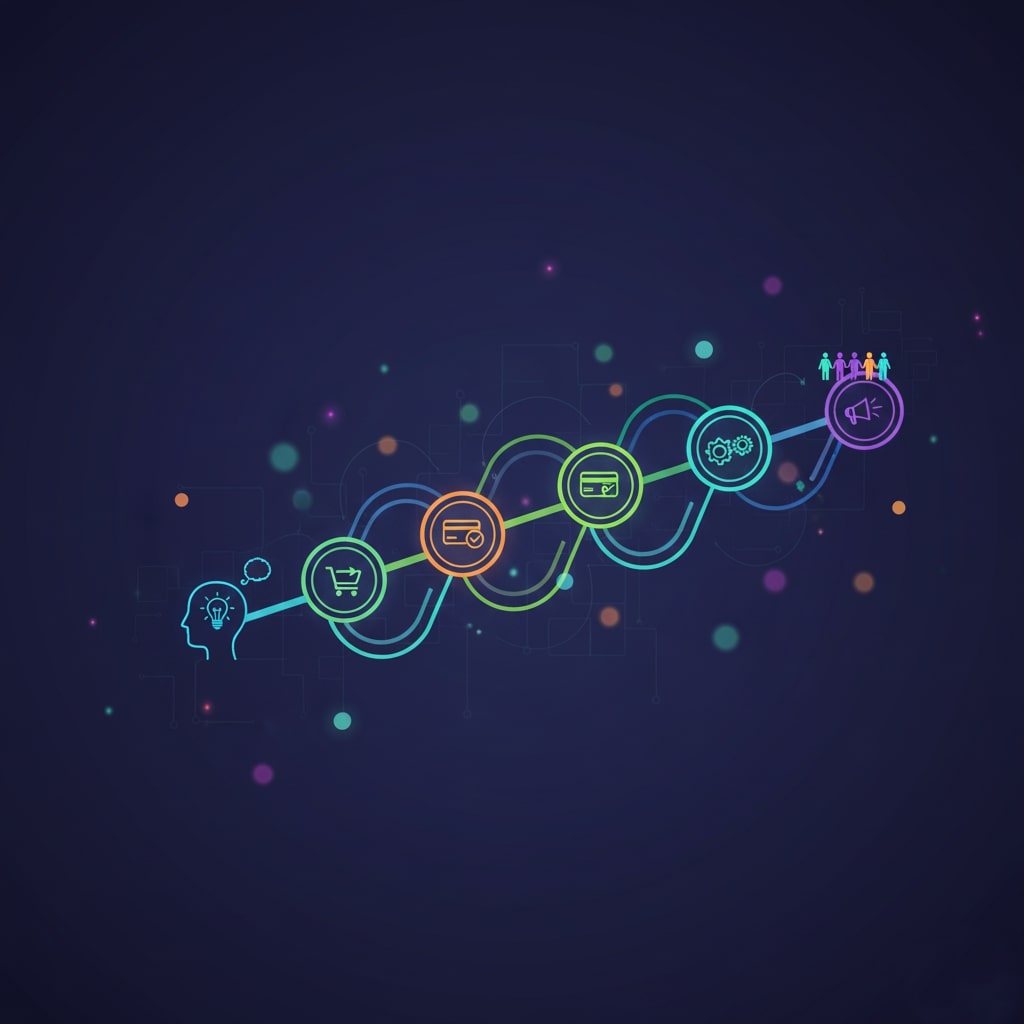
Understanding how customers interact with your brand at each touchpoint is critical for effective segmentation. Customer journey mapping visualizes the path a customer takes—from first awareness to post-purchase engagement. By mapping these interactions, businesses can identify friction points, tailor communication strategies, and anticipate future needs. Integrating journey data with segmentation models allows for more precise targeting, ensuring customers receive the right message at the right time, increasing conversion and loyalty.
Psychographic Segmentation
Beyond demographics and behavior, psychographic segmentation focuses on customers’ lifestyles, values, attitudes, and interests. This approach provides a richer understanding of the motivations behind purchasing decisions. For example, two customers may have similar purchasing histories but very different values, leading to different responses to campaigns. Machine learning can uncover patterns in psychographic data through survey responses, social media interactions, and online content consumption, enabling hyper-personalized marketing strategies.
Channel-Based Segmentation
Customers interact with brands across multiple channels, such as email, social media, websites, and mobile apps. Channel-based segmentation groups customers based on their preferred channels, engagement frequency, and responsiveness. This allows marketers to optimize resource allocation, tailor messaging for each channel, and improve campaign ROI. Advanced analytics can detect emerging channel trends and adjust strategies dynamically to meet customer expectations in real time.
Lifetime Value (LTV) Modeling
Customer Lifetime Value modeling predicts the total revenue a customer will generate over their relationship with the business. Segmenting customers based on LTV helps prioritize high-value customers, guide acquisition strategies, and allocate marketing budgets efficiently. By combining historical purchase data with predictive analytics, companies can forecast future profitability and design personalized retention campaigns to maximize long-term revenue.
Churn Prediction and Retention Strategies
Retention is often more cost-effective than acquisition, making churn prediction crucial. Machine learning models can analyze behavioral, transactional, and engagement data to identify customers at high risk of leaving. Once high-risk segments are identified, businesses can implement targeted retention strategies such as personalized offers, loyalty programs, or proactive support. Regularly updating churn models ensures interventions remain relevant as customer behavior evolves.
Cross-Sell and Upsell Opportunities
Segmentation can also identify potential for cross-selling and upselling by analyzing purchase patterns, preferences, and behavioral indicators. Machine learning models predict which customers are most likely to respond to additional product recommendations or upgrades. Personalized campaigns based on these insights increase revenue per customer while enhancing the customer experience by offering relevant, timely suggestions. Combining this with predictive scoring ensures resources are focused on the segments with the highest potential impact.
Sentiment Analysis for Customer Insights
Sentiment analysis leverages natural language processing (NLP) to assess customer opinions and emotions from sources like social media posts, reviews, surveys, and customer support interactions. By understanding how customers feel about products, services, or campaigns, businesses can segment audiences based on satisfaction, sentiment trends, or brand advocacy. Integrating sentiment insights with behavioral and transactional data allows companies to proactively address concerns, personalize communication, and identify promoters who can amplify marketing efforts.
Real-Time Segmentation and Dynamic Personalization
Traditional segmentation often relies on static groupings updated periodically, but real-time segmentation allows businesses to react instantly to customer behavior. By monitoring interactions as they happen—such as website clicks, app usage, or purchase activity—companies can adjust offers, recommendations, and messaging on the fly. Machine learning models can score and classify customers dynamically, enabling hyper-personalized experiences that increase engagement and conversion. Real-time segmentation ensures marketing remains relevant, timely, and responsive in today’s fast-paced digital environment.
How Machine Learning Enhances Segmentation Accuracy
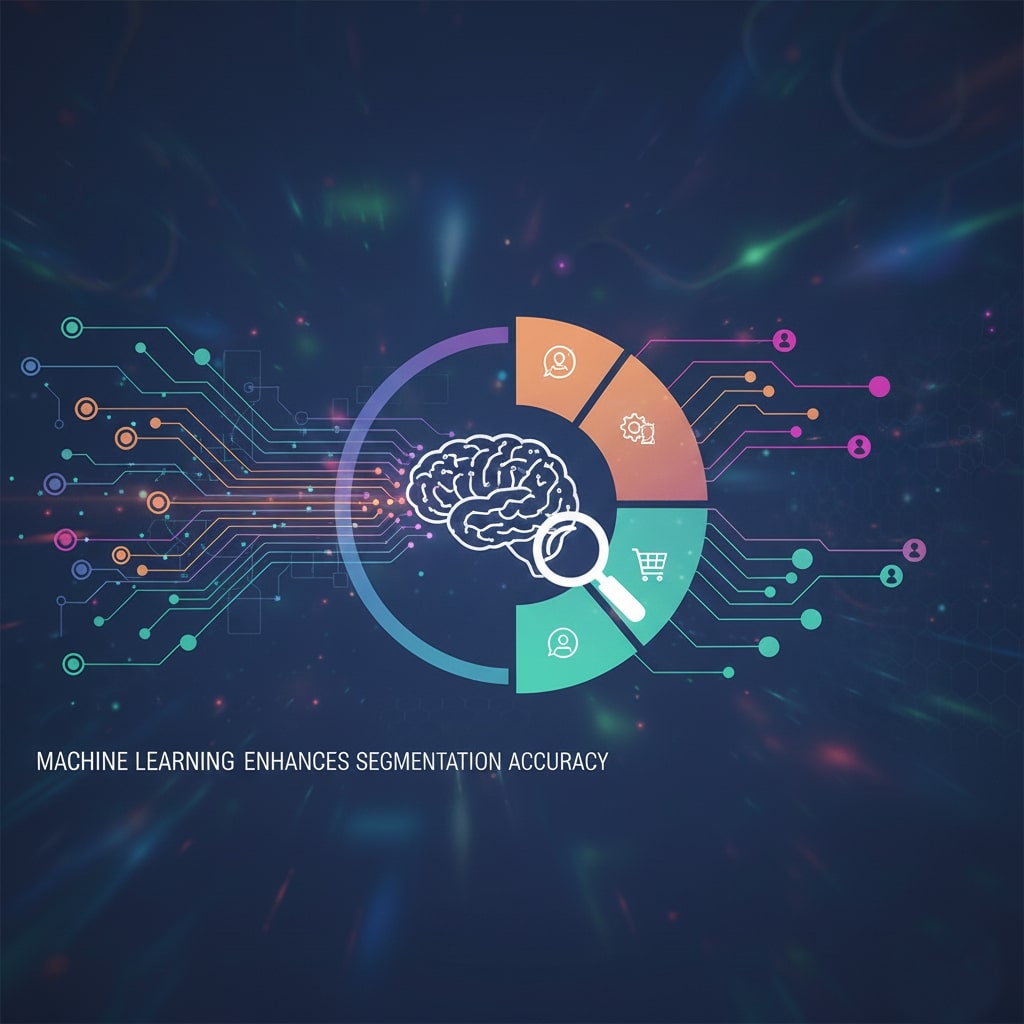
Machine learning (ML) introduces automated, scalable methods to uncover hidden structures in large datasets. Key benefits include:
- Unsupervised clustering algorithms (e.g., K-Means, DBSCAN) for dynamic segment discovery
- Predictive models (e.g., decision trees, random forests) to score customers on future behaviors
- Dimensionality reduction techniques (e.g., PCA) to simplify variables without losing critical information
- Real-time scoring for on-the-fly personalization across digital channels
By training models on historical data, you can assign probability scores indicating the likelihood of a customer belonging to a high-value segment, opting in for a promotion, or churning.
Key Types of Segmentation Models
Depending on business goals and data maturity, consider these popular approaches:
- Recency, Frequency, Monetary (RFM): Classic model to identify loyal and lapsed customers.
- Behavioral Clustering: Groups customers by on-site behavior and engagement metrics.
- Predictive Scoring: Uses supervised learning to rank customers by conversion or churn risk.
- Propensity Modeling: Estimates likelihoods for cross-sell or upsell opportunities.
Selecting the right model depends on data availability, computational resources, and the specific marketing use case.
Implementing Segmentation with Analytics and ML
Follow these steps to build a robust segmentation framework:
- Data Collection: Aggregate customer data from CRM, website analytics, email platforms, and social media.
- Data Preparation: Cleanse records, handle missing values, and normalize metrics for consistency.
- Feature Engineering: Create new variables (e.g., engagement score, tenure) to enrich model inputs.
- Model Selection: Choose between clustering or predictive algorithms based on segmentation goals.
- Training and Validation: Split data into training and test sets; validate model accuracy and stability.
- Deployment: Integrate segment definitions into marketing automation tools for dynamic campaign targeting.
- Monitoring: Regularly review segment behavior, adjust models for data drift or changing market trends.
Best Practices and Pitfalls
To maximize ROI, adhere to these best practices while avoiding common mistakes:
- Balance Complexity and Clarity: Avoid overly granular segments that hinder actionable insights.
- Ensure Data Privacy: Comply with GDPR, CCPA by anonymizing PII and managing consent.
- Validate with A/B Testing: Test segment-based campaigns against control groups to measure incremental lift.
- Avoid Overfitting: Regularize models and prune irrelevant features to ensure generalization.
- Iterate Frequently: Re-train models quarterly or when campaign performance drops below benchmarks.
Measuring Success and Optimizing Segments
Key performance indicators (KPIs) for segment-driven campaigns include:
- Conversion Rate: Percentage of segment members who take a desired action.
- Customer Lifetime Value (CLV): Revenue generated over the customer relationship.
- Churn Rate: Attrition percentage within a defined period.
- Engagement Metrics: Email open rates, click-through rates, session duration by segment.
Use dashboards to track these KPIs in real time. When a segment underperforms, revisit feature selection or adjust targeting criteria.
Future Trends in Segmentation and Personalization
Emerging technologies are reshaping segmentation strategies:
- Deep Learning: Neural networks can process unstructured data (images, text) for richer segment profiles.
- Real-Time Personalization: Server-side inference to adapt web content on each page load.
- Federated Learning: Train models across decentralized data sources without sharing raw data.
- Voice and IoT Signals: Incorporate smart speaker interactions and wearable data into segmentation.
Staying ahead requires continuous investment in analytics infrastructure and upskilling teams in data science methodologies.
Conclusion
Customer segmentation powered by marketing analytics and machine learning transforms raw data into strategic assets. By following a structured implementation plan—from data collection to model deployment—you can deliver hyper-personalized experiences that drive engagement, loyalty, and revenue growth. Embrace these techniques today and position your organization for sustained competitive advantage.
Ready to elevate your marketing efforts? Start experimenting with clustering algorithms in your analytics platform and explore predictive models that align with your business objectives. The journey to data-driven segmentation begins now.
Frequently Asked Questions (FAQ) on Customer Segmentation, Analytics, and Machine Learning
1. What is the main purpose of customer segmentation?
Customer segmentation divides your customer base into distinct groups based on shared characteristics, behaviors, or needs. This process helps businesses deliver personalized marketing campaigns, optimize ad spend, improve customer satisfaction, and forecast future buying behavior more accurately.
2. How is modern segmentation different from traditional methods?
Traditional segmentation relies mainly on demographics or past purchase history. Modern approaches, however, leverage multi-channel data such as web, mobile, social media, and other digital footprints to uncover deeper insights and dynamic patterns in customer behavior.
3. What role does marketing analytics play in segmentation?
Marketing analytics collects, cleans, and interprets customer data to identify meaningful patterns. Analytics tools allow teams to visualize segment overlaps, detect outliers, and monitor performance over time, forming the foundation for data-driven segmentation.
4. How can machine learning improve segmentation accuracy?
Machine learning improves segmentation by automatically discovering hidden customer clusters, predicting future behaviors, reducing data complexity while retaining important information, and enabling real-time scoring for personalized marketing across digital channels.
5. What are the key types of segmentation models?
Popular segmentation models include RFM, which identifies loyal versus lapsed customers; behavioral clustering, which groups customers based on engagement metrics; predictive scoring, which ranks customers based on conversion or churn probability; and propensity modeling, which estimates the likelihood of cross-sell or upsell opportunities.
6. How do I implement a segmentation strategy with analytics and machine learning?
A robust segmentation strategy starts with collecting data from CRM systems, analytics tools, and social media platforms. Next, data should be cleaned, normalized, and missing values handled. Feature engineering creates additional variables to enrich model inputs. Then, appropriate algorithms are selected based on segmentation goals, and models are trained and validated using historical data. Once validated, segment definitions are integrated into marketing automation platforms, and performance is monitored regularly for refinement.
7. What are common mistakes to avoid?
Common mistakes include creating overly granular segments that are difficult to act on, ignoring data privacy regulations like GDPR and CCPA, overfitting models or using irrelevant features, failing to validate results through A/B testing, and neglecting to iterate models regularly.
8. Which KPIs should I track for segment-driven campaigns?
Key metrics to monitor include conversion rate, customer lifetime value, churn rate, and engagement metrics such as email open rates, click-through rates, and session duration by segment. Tracking these KPIs helps identify underperforming segments and informs optimization strategies.
9. What are the emerging trends in segmentation?
Emerging trends include using deep learning to process unstructured data such as text and images, real-time personalization to adapt content instantly based on behavior, federated learning to build models across decentralized datasets without sharing raw data, and incorporating voice and IoT signals from smart devices and wearables for richer insights.
10. How can I start applying machine learning-driven segmentation in my business today?
You can start by experimenting with clustering algorithms in your analytics platform and exploring predictive models aligned with your business objectives. Start small, validate results, and scale gradually as insights and confidence grow.
 Donald Abel