
Digital marketing has quickly changed the way people connect with the businesses they buy from. But how do you know if your tactics are working — or bombing? The solution is found in digital marketing analytics.
Gain a deeper understanding of digital marketing analytics, and be able to see customers’ behavior more clearly, improve the efficiency of the campaigns, and increase the bottom line. Whether you’re an experienced marketer or a novice online marketer, this guide will provide you with all of the information you need to succeed in digital analytics and have you doing what you need to do in terms of analyzing and driving value from your digital marketing data.
What is Digital Marketing Analytics?

Digital marketing analytics is the process of tracking, analyzing, and interpreting data from your online marketing campaigns. It allows businesses to measure the performance of their strategies and make informed decisions based on real insights.
This data is collected from various digital channels, including:
- Website Traffic
- Social media
- Email marketing
- Pay-per-click (PPC) advertising
- Search engine optimization (SEO)
By analyzing this data, you gain valuable insights into how your audience interacts with your content, what works best for your goals, and where adjustments are needed.
Why Is Digital Marketing Analytics Important?

1. Unlock Business Insights
Without analytics, you’re navigating marketing campaigns blindly. Data provides clarity. For example, knowing whether your Instagram ad drove more clicks than your email campaign helps allocate future resources and budgets more effectively.
2. Measure ROI and Performance
Digital marketing analytics helps you determine which campaigns generate the highest return on investment (ROI). You’ll clearly see which channels perform well, allowing you to focus on what brings the best results.
3. Refine Your Audience Targeting
Analytics reveal who your audience truly is. From demographics to purchasing behaviors, you can refine your campaigns to resonate deeply with your ideal customers.
4. Improve Decision-Making
Organizations equipped with analytics make smarter decisions and outperform competitors. Data-driven strategies lead to better campaign optimization over time.
Advanced Tools and Technologies in Digital Marketing Analytics

Digital marketing analytics is greatly enhanced by modern tools and technologies that automate data collection, visualization, and insight generation. Platforms like Google Analytics 4, HubSpot, Tableau, and Looker enable marketers to integrate cross-channel data, track performance in real time, and identify patterns more efficiently. AI-driven analytics tools can predict customer behavior, recommend content optimization, and help allocate budget effectively. Heatmaps, session recordings, and attribution modeling provide deeper insights into user engagement and conversion paths. Leveraging these advanced technologies allows marketers to make faster, data-backed decisions, reduce manual effort, and improve campaign outcomes. Investing in the right tools is crucial for scaling analytics capabilities and staying competitive.
Key Metrics to Track
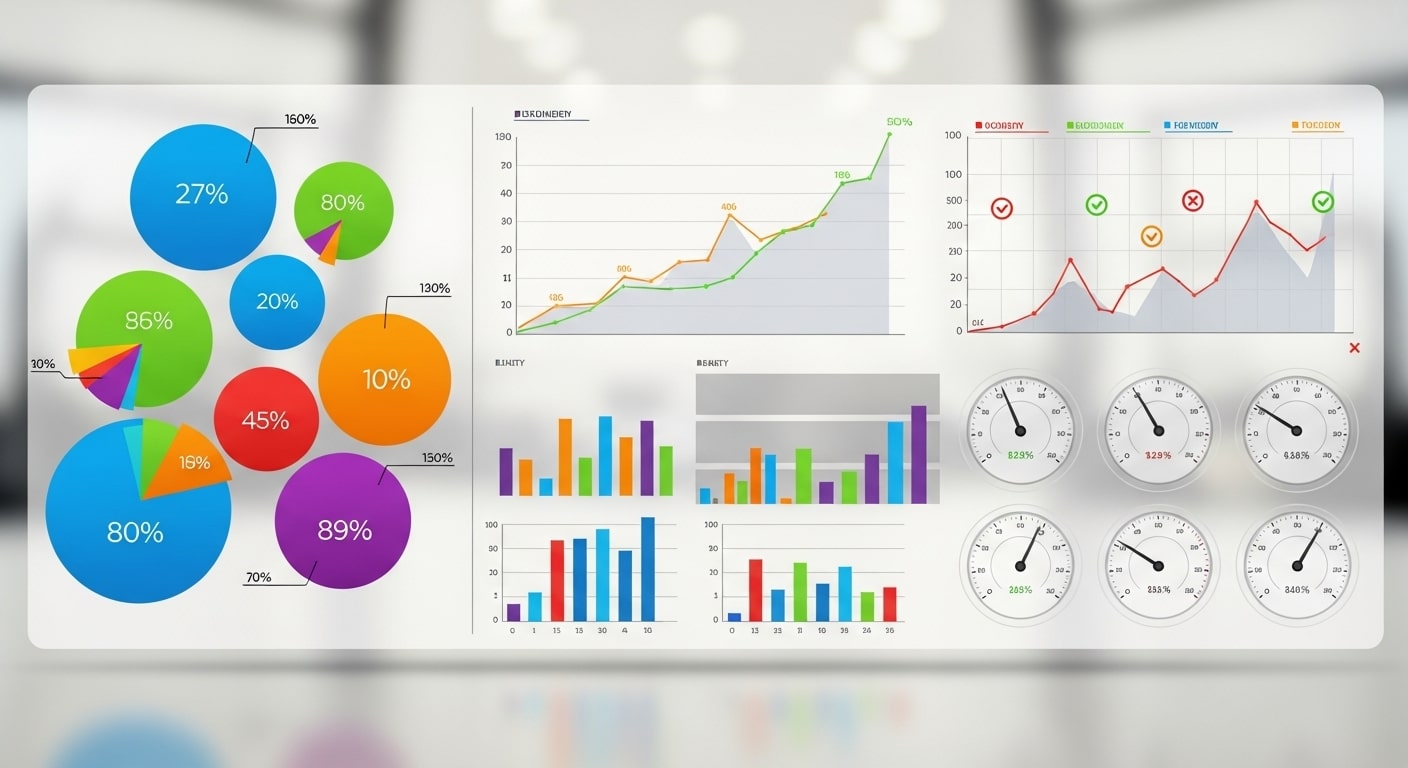
Measuring success requires tracking the right key performance indicators (KPIs) across channels. Website metrics include pageviews, bounce rate, average session duration, and conversion rates. Social media metrics cover engagement rate, follower growth, and click-through rate. Email performance is measured by open rate, click rate, and unsubscribe rate. SEO success can be gauged through organic traffic, keyword rankings, and backlinks. PPC metrics include cost per click, impressions, and quality score. Monitoring these metrics helps marketers identify trends, pinpoint areas for improvement, and optimize campaigns. By focusing on relevant KPIs, businesses can make informed decisions, allocate resources efficiently, and maximize return on investment while keeping campaigns aligned with goals.
How to Get Started with Digital Marketing Analytics
Starting with digital marketing analytics requires a structured approach. First, set clear goals, such as increasing newsletter sign-ups or driving sales through specific campaigns. Next, select the right tools, including Google Analytics, HubSpot, Hootsuite Insights, or Google Ads, depending on your channels and objectives. Track cross-channel data to obtain a comprehensive view of performance and audience behavior. Analyze the collected data using dashboards and visualizations to identify trends, patterns, and opportunities. Apply insights to optimize campaigns, whether by adjusting messaging, reallocating budgets, or improving website performance. Finally, measure success, iterate, and continuously refine strategies to achieve sustainable growth and maximize ROI.
Challenges in Digital Marketing Analytics
Digital marketing analytics comes with challenges that can impact results if not managed properly. Large volumes of data can overwhelm teams, making it essential to focus on the most relevant KPIs. Privacy regulations such as GDPR require responsible data collection and storage, with full transparency for users. Additionally, relying solely on numbers can lead to a lack of creativity and intuition in decision-making. Combining analytics with human insight ensures campaigns remain engaging and effective. Overcoming these challenges requires prioritization, proper training, and the use of reliable analytics tools. Addressing these issues allows marketers to leverage data effectively while maintaining compliance and enhancing campaign performance.
Becoming a Pro and Continuous Improvement
Mastering digital marketing analytics is an ongoing process that requires learning, practice, and adaptability. Marketers can start by exploring online courses, tutorials, and resources from platforms like Google Analytics Academy or Facebook Blueprint. Hands-on experience with real campaigns helps translate theory into actionable insights. Continuous monitoring, testing, and refining of campaigns ensures that strategies remain effective over time. Using dashboards, A/B testing, and cross-channel data integration improves decision-making and optimization. The goal is to make data actionable, guiding marketing strategies toward higher ROI and better audience engagement. Over time, this combination of knowledge, tools, and practice builds expertise and establishes a strong foundation for data-driven success.
The Key Metrics to Track in Digital Marketing Analytics
Not all metrics are created equal. Here are the core KPIs (Key Performance Indicators) you should monitor:
1. Website Metrics
- Pageviews: The number of pages visited on your website.
- Bounce Rate: Percentage of visitors who leave after viewing just one page.
- Average Session Duration: How long visitors stay on your website.
- Conversion Rate: The percentage of visitors taking desired actions, such as signing up or purchasing.
2. Social Media Metrics
- Engagement Rate: Likes, comments, shares, and interactions.
- Follower Growth: The increase in followers over time.
- Click-Through Rate (CTR): How often users click your posts or ads.
3. Email Marketing Metrics
- Open Rate: Percentage of recipients who open your email.
- Click Rate: Percentage of users who clicked on a link within the email.
- Unsubscribe Rate: Tracking how many opted out of your emails.
4. SEO Metrics
- Organic Traffic: Visitors reach your site through search engines.
- Keyword Ranking: How well your website ranks for targeted keywords.
- Backlinks Acquired: The number of external websites linking back to yours.
5. PPC Metrics
- Cost Per Click (CPC): The cost incurred each time someone clicks your ad.
- Impressions: How often your ad appears to users.
- Quality Score: Google Ads metric reflecting ad relevance and quality.
How to Get Started with Digital Marketing Analytics
1. Set Clear Goals
Begin by asking, “What do I want to achieve?” Whether it’s driving more website traffic, increasing sales, or boosting engagement, establishing clear goals helps prioritize what to measure.
Example Goals:
- Increase newsletter sign-ups by 25% in 3 months.
- Generate $10,000 worth of online sales through Facebook Ads in one month.
2. Choose the Right Tools
The right analytics tools depend on your platforms and marketing goals. Thankfully, there’s no shortage of powerful options to choose from:
- Google Analytics: Ideal for website performance tracking.
- Hootsuite Insights: Tailored for social media performance.
- Google Ads: Monitors campaign effectiveness and ad spend.
- HubSpot: Provides insights across various digital touchpoints.
3. Track Cross-Channel Data
It’s vital to integrate data from various channels into one place for a holistic view. Tools like Tableau or Looker allow you to combine and visualize your insights effectively.
4. Analyze and Interpret the Data
Data in isolation isn’t meaningful. It’s how you interpret it that drives powerful insights. Use graphs and dashboards to identify trends and patterns. For example:
- A spike in traffic after launching an Instagram campaign directly correlates your strategy to a specific outcome.
- Low email open rates might prompt you to tweak subject lines for better engagement.
5. Apply Insights to Optimize Campaigns
Analytics must inform action. Example optimizations include:
- Tailoring content that resonates with high-performing demographics.
- Allocating marketing spend to top-performing PPC campaigns.
- Improving website speed if bounce rates are high.
6. Measure Success and Iterate
Digital marketing is a continuous loop of testing, analyzing, and optimizing. Review your analytics regularly to refine your strategies and maintain long-term success.
Challenges in Digital Marketing Analytics (And How to Overcome Them)
While digital marketing analytics is incredibly valuable, it comes with its share of challenges:
1. Data Overload
Managing large volumes of data can overwhelm businesses. Solution? Stick to the KPIs most relevant to your goals.
2. Keeping Up with Privacy Regulations
With GDPR and similar laws globally, it’s crucial to collect and store data responsibly. Always maintain full transparency with users.
3. Missing the Human Touch
While numbers provide clarity, blending analytics with intuition and creativity leads to truly impactful campaigns.
How to Become a Pro in Digital Marketing Analytics
Mastering digital marketing analytics doesn’t happen overnight. But anyone can get started with the right resources and tools. Seek online courses, explore YouTube tutorials, and follow industry thought leaders.
Many analytics tools also offer free training, such as Google Analytics Academy or Facebook Blueprint.
Start Your Analytics Journey Today
Digital marketing analytics, is your ticket to making better and more impactful campaigns and doing it easily. Features Work Like A refreshing Drink of Ice Water After weeks of gnashing your teeth. Whether you want to grow sales, improve ad spend, or gain insight into your audience, analytics is your key to growth.
Ready to take your digital strategy to the next level? Start by checking out the advice and guidance below and applying what you see to your processes today. Keep in mind that data-driven marketing isn’t a fad; it’s the future.
Leveraging Data for Customer Experience Enhancement
Digital marketing analytics is not just about tracking performance—it’s also a powerful tool for improving customer experience. By analyzing data on website behavior, social media engagement, and email interactions, marketers can identify pain points, preferences, and patterns in customer journeys. Personalizing content, offers, and communication based on these insights increases engagement and satisfaction. Analytics can also reveal friction in conversion paths, allowing businesses to optimize landing pages, checkout flows, and support processes. Predictive analytics helps anticipate customer needs, enabling proactive solutions and timely messaging. By leveraging data strategically, brands can create a seamless, relevant, and enjoyable experience for their audience, boosting loyalty, retention, and long-term revenue.
Future Trends in Digital Marketing Analytics
The future of digital marketing analytics is being shaped by artificial intelligence, machine learning, and predictive analytics. AI-powered tools will provide automated insights, improve audience segmentation, and suggest actionable optimizations. Personalization will reach new levels, allowing campaigns to adapt dynamically to individual user behavior. Integration of voice search, IoT, and augmented reality data will offer richer insights into customer interactions. Marketers will increasingly rely on real-time dashboards and advanced attribution models to optimize ROI. Additionally, data privacy and ethical analytics will remain critical, with brands balancing personalization with compliance. Embracing these trends ensures marketers can stay ahead, make informed decisions, and deliver more impactful campaigns in a rapidly evolving digital landscape.
FAQ: Digital Marketing Analytics
What is digital marketing analytics?
Digital marketing analytics is the process of tracking, analyzing, and interpreting data from online marketing campaigns. It helps businesses measure performance, understand audience behavior, and make data-driven decisions to improve results across websites, social media, email, PPC, and SEO.
Why is digital marketing analytics important?
Analytics provides insights that guide decision-making. It helps unlock business intelligence, measure ROI, refine audience targeting, and optimize campaigns. Without analytics, marketers operate blindly, risking wasted budget and missed opportunities.
Which metrics should I track?
Key metrics include website performance (pageviews, bounce rate, session duration, conversion rate), social media engagement, email open and click rates, SEO performance, and PPC metrics like cost per click, impressions, and quality score.
How do I get started with digital marketing analytics?
Start by setting clear goals, choosing the right tools such as Google Analytics or HubSpot, tracking cross-channel data, analyzing patterns, applying insights to optimize campaigns, and regularly reviewing performance to iterate and improve.
What are common challenges in digital marketing analytics?
Challenges include data overload, staying compliant with privacy regulations like GDPR, and missing the human touch. Focus on relevant KPIs, handle data responsibly, and combine analytics with creativity to overcome these challenges.
How can I improve my skills in digital marketing analytics?
Learn tools and strategies through online courses, tutorials, and industry resources. Practice analyzing real campaigns, follow expert guidance, and continuously refine your approach to gain practical experience and make data-driven decisions.
How does analytics improve campaign performance?
Analytics shows which campaigns, channels, and content work best, allowing marketers to allocate budgets efficiently, target the right audience, optimize messaging, and continuously improve ROI.
 Rosemary Barker