
Healthcare analytics transforms vast medical data into actionable insights, improving patient outcomes, operational efficiency, and cost management. By leveraging AI, predictive modeling, real-time monitoring, and data governance, healthcare organizations can optimize care, streamline operations, and drive value-based decision-making.
The healthcare industry generates an astounding 30% of the world’s data, yet most organizations struggle to transform this information into actionable insights. While sectors like retail and finance have embraced data-driven decision-making for decades, healthcare has been slower to adopt comprehensive analytics solutions. This gap represents both a challenge and an enormous opportunity.
Healthcare analytics encompasses the systematic analysis of health data to improve patient outcomes, reduce costs, and streamline operations. From predictive modeling that identifies at-risk patients to operational analytics that optimize staffing levels, these tools are reshaping how healthcare organizations operate. The global healthcare analytics market, valued at approximately $31.4 billion in 2022, is projected to reach $50.5 billion by 2027, reflecting a compound annual growth rate of 9.8%.
Understanding this market requires examining its key components, growth drivers, and the unique challenges that distinguish healthcare analytics from marketing analytics and other data science applications. This comprehensive overview will help healthcare leaders, technology vendors, and investors navigate this rapidly evolving landscape.
Types of Healthcare Analytics Solutions

Healthcare analytics encompasses several distinct categories, each addressing specific operational and clinical needs.
Clinical Analytics
Clinical analytics focuses on improving patient care through data-driven insights. Electronic health records (EHRs) serve as the primary data source, enabling providers to identify treatment patterns, monitor quality metrics, and predict patient outcomes. These systems help clinicians make evidence-based decisions by analyzing patient histories, medication interactions, and treatment effectiveness.
Population health management represents another critical application. By analyzing demographic data, disease prevalence, and social determinants of health, organizations can identify high-risk populations and develop targeted interventions. This approach has proven particularly valuable in managing chronic conditions like diabetes and heart disease.
Operational Analytics
Healthcare organizations use operational analytics to optimize resource allocation and improve efficiency. Predictive scheduling models help hospitals anticipate patient volumes and adjust staffing accordingly. Supply chain analytics ensure critical medical supplies remain available while minimizing waste and costs.
Revenue cycle management analytics identify billing inefficiencies and optimize reimbursement processes. These tools help organizations navigate complex insurance requirements and reduce claim denials, directly impacting financial performance.
Financial Analytics
Cost containment remains a top priority for healthcare organizations facing margin pressures. Financial analytics tools provide visibility into departmental spending, physician productivity, and patient profitability. Value-based care contracts require sophisticated analytics to track quality metrics and shared savings opportunities.
Unlike marketing analytics, which primarily focuses on customer acquisition and retention, healthcare financial analytics must account for regulatory requirements, quality measures, and patient safety outcomes.
Real-Time Analytics in Healthcare

Real-time analytics allows healthcare providers to access and analyze patient data instantly, improving decision-making during critical care situations. By monitoring vital signs, lab results, and patient movements in real time, hospitals can respond immediately to emergencies, prevent complications, and optimize resource allocation. Real-time insights also enhance operational efficiency, enabling staff to manage patient flow, adjust staffing levels, and anticipate equipment needs. The integration of real-time dashboards with predictive alerts ensures clinicians are always informed, helping reduce errors, improve patient safety, and provide timely interventions that significantly enhance overall healthcare outcomes.
Telehealth and Remote Monitoring Analytics
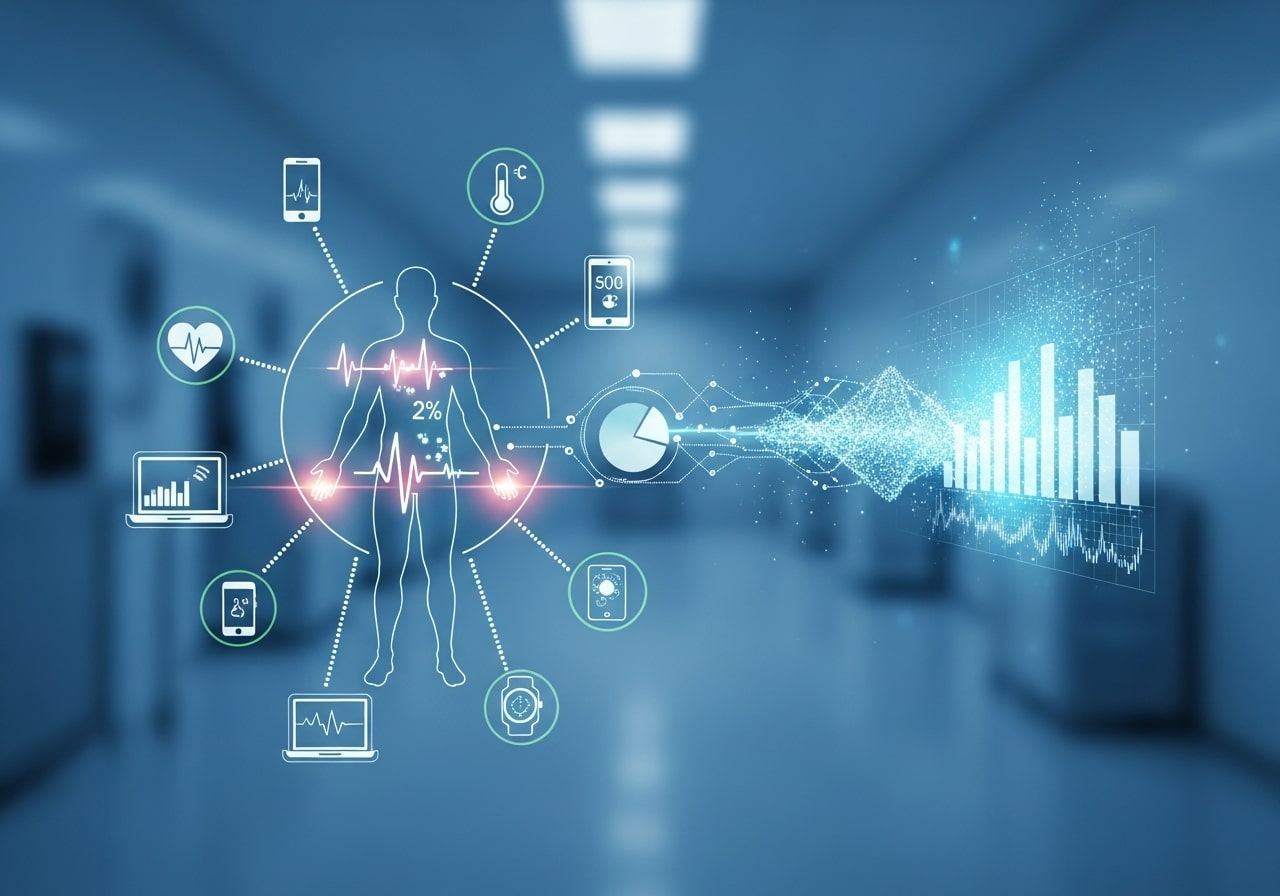
The rise of telehealth and remote patient monitoring has transformed healthcare delivery, generating vast amounts of patient data outside traditional clinical settings. Analytics tools track patient vitals, medication adherence, and symptom progression through wearable devices and mobile apps. This information allows providers to identify potential health risks early, personalize treatment plans, and reduce hospital readmissions. Additionally, analyzing remote monitoring data supports population health initiatives by highlighting trends, high-risk patients, and resource needs. Leveraging analytics in telehealth improves accessibility, continuity of care, and patient engagement while empowering healthcare organizations to deliver proactive, data-driven care beyond hospital walls.
Data Governance and Compliance in Healthcare Analytics
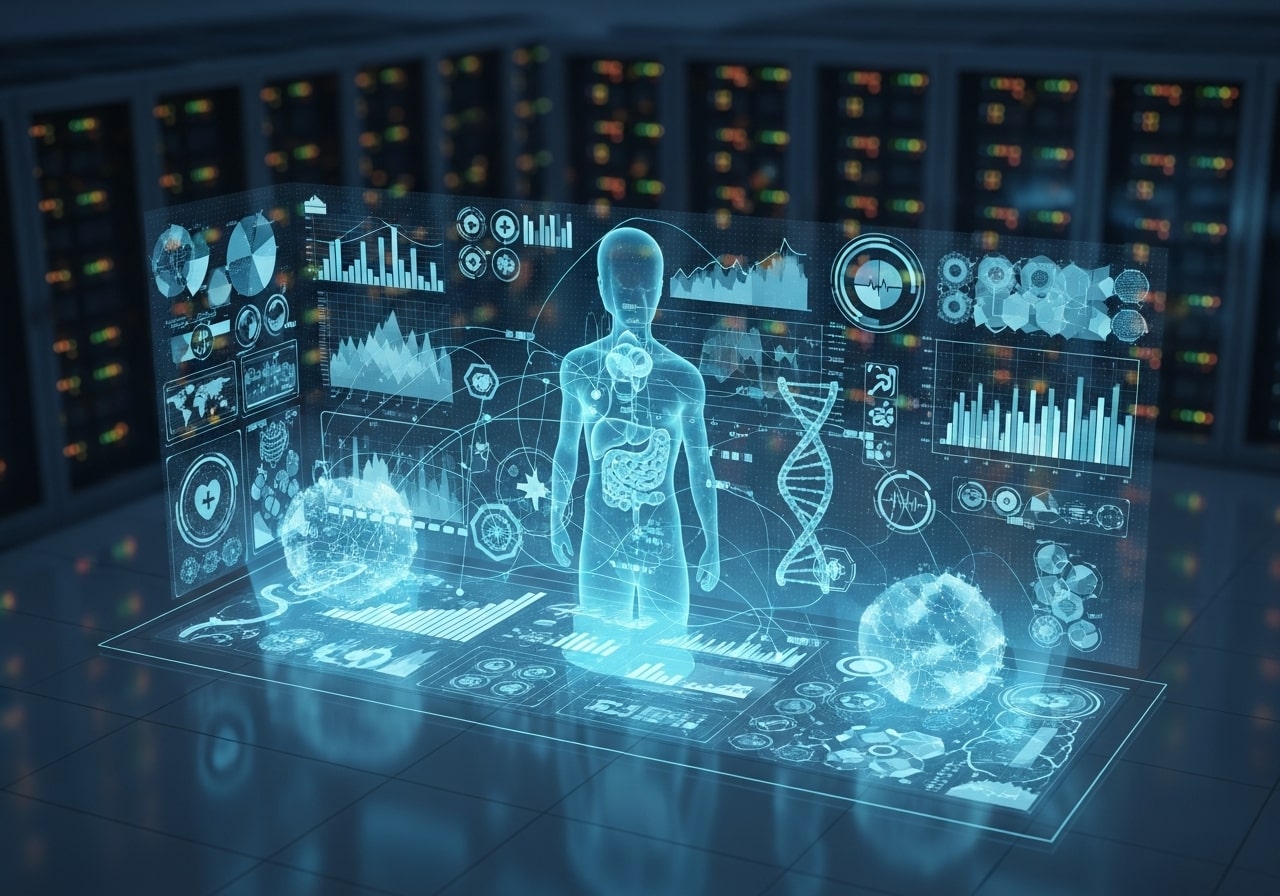
Effective data governance ensures healthcare organizations manage data securely, accurately, and in compliance with regulations like HIPAA. Analytics depends on clean, standardized, and reliable data for meaningful insights. Governance frameworks define data ownership, access control, quality standards, and usage policies, reducing errors and maintaining patient confidentiality. Compliance measures, including audit trails and encryption protocols, safeguard sensitive information while enabling authorized analytics use. Strong data governance also supports interoperability between EHRs, labs, and imaging systems, facilitating comprehensive insights across departments. Organizations with robust governance frameworks can trust their analytics, minimize legal risks, and ensure responsible, ethical, and actionable use of healthcare data.
Market Growth Drivers
Several factors are accelerating the adoption of healthcare analytics solutions across the industry.
Regulatory Requirements
Government initiatives like the Medicare Access and CHIP Reauthorization Act (MACRA) require providers to demonstrate quality improvements through data reporting. The shift toward value-based payment models creates financial incentives for organizations to invest in analytics capabilities that can track and improve patient outcomes.
Quality reporting programs mandate the collection and analysis of specific metrics, driving demand for analytics platforms that can automate these processes while providing actionable insights for improvement.
Technology Advancement
Cloud computing has made sophisticated analytics tools accessible to smaller healthcare organizations that previously lacked the IT infrastructure for on-premise solutions. Software-as-a-Service (SaaS) models reduce upfront costs and enable rapid deployment of analytics capabilities.
Artificial intelligence and machine learning algorithms can now process unstructured data from clinical notes, imaging studies, and patient-generated health data. These capabilities unlock insights that were previously impossible to obtain through traditional analysis methods.
Data Volume Growth
The proliferation of connected medical devices generates continuous streams of patient data. Remote monitoring systems, wearable devices, and smartphone health applications create rich datasets for analysis. However, this data explosion also creates challenges in terms of storage, processing, and integration.
Genomic data represents another rapidly growing category. As genetic testing becomes more affordable and widespread, healthcare organizations need analytics tools capable of processing and interpreting complex genomic information alongside traditional clinical data.
Key Market Segments
The healthcare analytics market serves diverse customer segments with varying needs and priorities.
Hospitals and Health Systems
Large integrated health systems typically have the resources and technical expertise to implement comprehensive analytics platforms. These organizations often develop internal analytics capabilities while partnering with vendors for specialized tools and consulting services.
Academic medical centers frequently serve as early adopters of innovative analytics solutions, leveraging their research capabilities to validate new approaches before broader market adoption.
Payers and Insurance Companies
Health insurance companies have long recognized the value of data analytics for managing risk and controlling costs. These organizations invest heavily in predictive modeling to identify high-cost members and develop targeted interventions.
Medicare Advantage plans use analytics to improve quality ratings and optimize bonus payments. The complexity of these calculations requires sophisticated analytical capabilities that many organizations prefer to outsource to specialized vendors.
Pharmaceutical Companies
Drug manufacturers use healthcare analytics throughout the product lifecycle, from clinical trial design to post-market surveillance. Real-world evidence studies rely on large healthcare databases to demonstrate treatment effectiveness and safety in routine clinical practice.
Marketing analytics play a crucial role in pharmaceutical operations, helping companies identify target physician segments and optimize promotional strategies within regulatory constraints.
Competitive Landscape
The healthcare analytics market includes established healthcare IT vendors, specialized analytics companies, and technology giants expanding into healthcare.
Traditional Healthcare IT Vendors
Companies like Epic, Cerner, and Allscripts leverage their dominant EHR positions to offer integrated analytics solutions. These vendors benefit from existing customer relationships and data access but may lack the advanced analytical capabilities of specialized providers.
Pure-Play Analytics Companies
Specialized healthcare analytics vendors like Health Catalyst, Optum Analytics, and IBM Watson Health focus exclusively on data science applications. These companies often possess deeper analytical expertise but may face challenges in data integration and customer acquisition.
Technology Giants
Microsoft, Google, and Amazon have made significant investments in healthcare analytics, leveraging their cloud infrastructure and artificial intelligence capabilities. These companies bring substantial resources and technical expertise but must navigate complex healthcare regulations and build trust with conservative healthcare customers.
Implementation Challenges
Despite strong market growth, healthcare organizations face significant obstacles when implementing analytics solutions.
Data Integration Complexity
Healthcare data exists in numerous formats across disparate systems. EHRs, laboratory systems, imaging platforms, and billing systems often use different data standards and storage formats. Creating a unified view of patient information requires substantial technical expertise and ongoing maintenance.
Interoperability standards like HL7 FHIR are improving data exchange capabilities, but full integration remains challenging for many organizations.
Privacy and Security Concerns
Healthcare data faces strict regulatory protection under HIPAA and other privacy laws. Analytics platforms must incorporate robust security measures while enabling authorized users to access necessary information. Balancing data accessibility with privacy protection requires careful planning and ongoing monitoring.
The shift to cloud-based analytics solutions raises additional security questions for organizations accustomed to maintaining on-premise systems.
Organizational Change Management
Successful analytics implementation requires changes to workflow and decision-making processes. Clinicians and administrators must learn new tools and incorporate data insights into their daily routines. This cultural transformation often proves more challenging than the technical implementation itself.
Training programs and change management strategies are essential for realizing the full value of analytics investments.
Future Market Opportunities
The healthcare analytics market continues to evolve, creating new opportunities for innovation and growth.
Artificial Intelligence Integration
Machine learning algorithms are becoming more sophisticated in their ability to process medical images, predict patient outcomes, and recommend treatments. Natural language processing tools can extract valuable insights from unstructured clinical notes and research literature.
These AI capabilities will likely become standard features in healthcare analytics platforms rather than standalone solutions.
Patient-Generated Health Data
Consumer health devices and smartphone applications generate vast amounts of data outside traditional healthcare settings. Integrating this information with clinical records creates opportunities for more comprehensive patient monitoring and personalized interventions.
However, data quality and standardization remain significant challenges for patient-generated health data.
Precision Medicine Analytics
Genomic data, combined with clinical and lifestyle information, enables increasingly personalized treatment approaches. Analytics platforms that can integrate and interpret these diverse data sources will play crucial roles in advancing precision medicine initiatives.
Making Healthcare Analytics Work for Your Organization
Successfully implementing healthcare analytics requires careful planning and realistic expectations. Organizations should begin by identifying specific use cases with clear business value rather than attempting comprehensive analytics transformations.
Start with high-impact, low-complexity applications like operational dashboards or quality reporting automation. These initial successes build organizational confidence and demonstrate tangible value before tackling more complex predictive modeling projects.
Data governance policies and technical infrastructure must be established before deploying analytics solutions. Without clean, accessible data, even the most sophisticated analytics tools will fail to deliver meaningful insights.
The healthcare analytics market represents a significant opportunity for organizations willing to invest in data-driven decision-making. While implementation challenges exist, the potential benefits in terms of improved patient outcomes, operational efficiency, and financial performance make healthcare analytics an essential capability for modern healthcare organizations.
Frequently Asked Questions (FAQ)
What is healthcare analytics?
Healthcare analytics is the process of collecting, analyzing, and interpreting healthcare data to improve patient outcomes, streamline operations, reduce costs, and support data-driven decision-making in healthcare organizations.
Why is healthcare analytics important?
It enables hospitals, payers, and pharmaceutical companies to make informed decisions, predict patient risks, optimize resource allocation, and comply with regulatory requirements while improving overall efficiency and patient care.
What are the main types of healthcare analytics?
The key types include clinical analytics for patient care, operational analytics for resource management, and financial analytics for cost control and revenue optimization. Each addresses specific organizational needs.
How does clinical analytics improve patient outcomes?
Clinical analytics uses electronic health records and population health data to identify treatment patterns, monitor quality metrics, predict patient risks, and guide evidence-based interventions for better healthcare delivery.
What role does predictive analytics play in healthcare?
Predictive analytics forecasts patient outcomes, disease progression, and demand for services. It helps healthcare providers anticipate patient needs, plan resources, and design proactive interventions.
What are the biggest challenges in implementing healthcare analytics?
Challenges include data integration from multiple systems, ensuring privacy and security under regulations like HIPAA, and managing organizational change to incorporate analytics into workflows effectively.
Which organizations benefit most from healthcare analytics?
Hospitals, health systems, insurance companies, and pharmaceutical firms gain the most. They use analytics for patient care, risk management, operational efficiency, cost optimization, and clinical research.
How is AI used in healthcare analytics?
Artificial intelligence and machine learning process unstructured clinical data, predict patient outcomes, optimize treatment plans, and improve diagnostic accuracy. AI integration enhances analytics capabilities across multiple healthcare areas.
What future trends are emerging in healthcare analytics?
Key trends include precision medicine analytics, integration of patient-generated health data, advanced AI and machine learning, predictive personalization, and cloud-based analytics platforms.
How can healthcare organizations start implementing analytics?
Organizations should begin with high-impact, low-complexity use cases like operational dashboards or quality reporting. Establishing data governance, infrastructure, and staff training ensures successful analytics adoption.
 Rosemary Barker