
Every good business decision is based on data. But converting raw data into usable insights involves skill, planning, and, crucially, understanding — both of numbers and people. Cue the Marketing Analytics Manager, an essential position in today’s data-driven marketing environment.
In this post, we’ll delve into the specifics of what is involved in being a Marketing Analytics Manager. Here’s what you need to know about this popular career, from what the job entails to the skill set you’ll need to succeed in it. Ultimately, you’ll understand what it takes to be one, why the role is important, and where the job is headed in the future.
If you’ve ever wondered how a Marketing Analytics Manager spends their day or are considering this career, read on!
What is a Marketing Analytics Manager and What Do They Do?
The Marketing Analytics Manager is responsible for managing the gathering, analysis, and interpretation of marketing data. They provide businesses with greater insight into what’s working — and what isn’t — across campaigns, channels, and strategies.
This job is vital, especially since companies are going all-in on digital marketing. Companies allocated just over a quarter (25.8%) of their marketing budgets on analytics and technology in 2022, according to Gartner in a survey. Why? Because without analytics, marketing can amount to little more than guesswork.
More basically, they are the ones who go from data to insights. They help teams maximize high-performing campaigns and cut their losses on low-performing ones.
What does a Marketing Analytics Manager do?
The Marketing Analytics Manager’s responsibilities are wide-ranging, from operational tasks to strategic inputs.
Day-to-Day Responsibilities
-
Creating Dashboards for KPIs such as CR, CAC, and ROAS.
-
Working with Marketing Teams to measure the effectiveness of campaigns, presenting findings in a clear and actionable manner for future campaigns.
-
A/B Tests to refine email campaigns, ad creatives, or landing pages.
-
Forecasting Performance Metrics, forecasting growth, predicting early warning signals, and more.
Long-Term Projects
-
Constructing Attribution Models to see which channels are providing the most value throughout the customer funnel.
-
Audience segmentation – by behavior data for more personalized and efficacious marketing strategies.
-
Managing Data Integration Projects, ensuring CRM insights, such as HubSpot, match ad platforms like Google Ads.
-
Establishing success Metrics and making sure the states have a clear understanding of key Performance Indicators.
What Other Skills Should You Have to Be a Great Marketing Analytics Manager?
A Marketing Analytics Manager is more than just about “running the numbers”. Here are the three core skills that are indispensable for success.
Technical Skills
-
Experience with Analytics Platforms (Google Analytics, Adobe Analytics, Tableau, etc.).
-
Skills: Experience in SQL and data visualization tools (Power BI).
-
Marketing Platforms such as Facebook Ads Manager and Google Ads for insights extraction.
Analytical Skills
-
How to make sense of data—Using Data Interpretation to Transform Metrics to Insights.
-
Problem-Solving Skills to recognize bottlenecks and opportunities for enhancement.
-
Statistical Testing of campaign tests / statistical significance measurement in campaign experiments.
Soft Skills
-
Communication Skills to communicate hard-to-understand findings to non-technical stakeholders.
-
Collaboration and Leadership, because this is a role that interfaces heavily with departments such as marketing, sales, and product development.
-
Attention to Detail (ATD) for data accuracy and making sense.
Tools of the Trade
For a Marketing Analytics Manager, the right tools can mean everything. The following are some of the key software and platforms you’ll need in this role.
-
Analytic Platforms: Google Analytics (GA4), Adobe Analytics.
-
Data Visualization: Tableau, Power BI, Looker.
-
CRM: HubSpot, Salesforce.
-
Ad Platforms: Google Ads, Facebook Ads Manager, LinkedIn Campaign Manager.
-
Experimentation, Personalization Testing Rig: Optimizely, VWO.
-
Spreadsheet and Reporting System Flowing Across Teams.
Career Roadmap for Marketing Analytics Manager
Did you ever try to become a Marketing Analytics Manager? Here’s how you can lay the groundwork for a successful career.
Education
The majority of Marketing Analytics Managers have a bachelor’s degree in business analytics, data science, marketing, or a similar field. Some opt to further their learning with certifications or master’s degrees.
Experience
Examples of good entry-level roles include those of Marketing Analyst or Data Analyst. These roles are essentially report-driven, interpretative of data, and pave the way for management in place.
Upskilling
Certifications such as Google Analytics or HubSpot Reporting help credibility, and a big brand makes a difference. In addition, the further some managers advance in their careers, the more they must learn advanced tools such as SQL or Python to interact directly with complex datasets.
What’s The Salary of a Marketing Analytics Manager
A Marketing Analytics Manager’s salary may differ based on industry, location, and years of experience.
Average Salary Range
-
United States: $95,000 – $130,000 per year (Glassdoor).
-
United Kingdom: up to £70,000 per year.
-
Australia: AU$ 90,000 – AU$ 120,000 a year.
Factors Affecting Salary
-
Experience: Professionals in their senior years are on the higher end.
-
Industry: You can expect to be paid more if you work for tech and finance companies.
-
Place of work: Major cities and centres for marketing usually pay more due to competition.
Trends in Marketing Analytics of the Future
The world of marketing analytics is changing – technologies are maturing, and businesses are demanding more from their analytics.
AI in Marketing
AI-driven technologies, such as predictive analytics, are on the rise. These capabilities empower marketers to predict how a customer will act and craft the most personal campaign.
Privacy-First Analytics
In the era of privacy rules such as GDPR and CCPA, the industry is transitioning to data-collection practices that respect consumer privacy, and that means higher investments into first-party data strategies.
Real-Time Tracking
The increasing trend of real-time analytics is part of the drive for businesses to make decisions quickly on the fly based on the behavior of customers at the individual moment. Look for closer ties between analytics platforms and their live data sources.
Strategic Decision-Making Through Data Leadership

A Marketing Analytics Manager plays a critical role in guiding strategic decisions across the organization. Beyond reporting metrics, they translate complex data into clear recommendations that influence campaign direction, budget allocation, and channel prioritization. By combining historical performance with forward-looking insights, they help leadership teams choose the most effective actions rather than relying on assumptions. This is where approaches like prescriptive analytics in marketing become valuable, as they suggest what actions should be taken to achieve specific outcomes. Instead of asking “what happened,” decision-makers gain clarity on “what should we do next.” This strategic influence positions the Marketing Analytics Manager as a trusted advisor, ensuring that marketing investments are aligned with measurable business goals and long-term growth strategies.
Turning Complex Data into Business-Friendly Insights
One of the most important responsibilities of a Marketing Analytics Manager is simplifying complex datasets for diverse stakeholders. Marketing leaders, executives, and sales teams often lack technical backgrounds, making clear storytelling essential. By using dashboards, visualizations, and concise summaries, analytics managers bridge the gap between raw data and actionable insight. Modern platforms now offer advanced analytics features that automate pattern detection and surface insights faster, but human interpretation remains crucial. Knowing which insights matter—and how to present them—can influence decisions dramatically. When data is communicated clearly, teams move faster, alignment improves, and confidence in analytics grows across the organization.
Managing Multi-Channel Performance Effectively
Marketing today spans multiple platforms—search, social, email, display, and more. A Marketing Analytics Manager ensures that performance across these channels is measured consistently and accurately. They evaluate how channels interact, where customers drop off, and which touchpoints drive the most value. With the growing complexity of digital journeys, tools supporting advanced web analytics help track cross-device behavior and attribution paths more precisely. Still, interpreting this data requires expertise. By identifying underperforming channels and reallocating resources strategically, analytics managers help organizations maximize ROI while maintaining a balanced and integrated marketing ecosystem.
Driving Continuous Optimization Through Experimentation
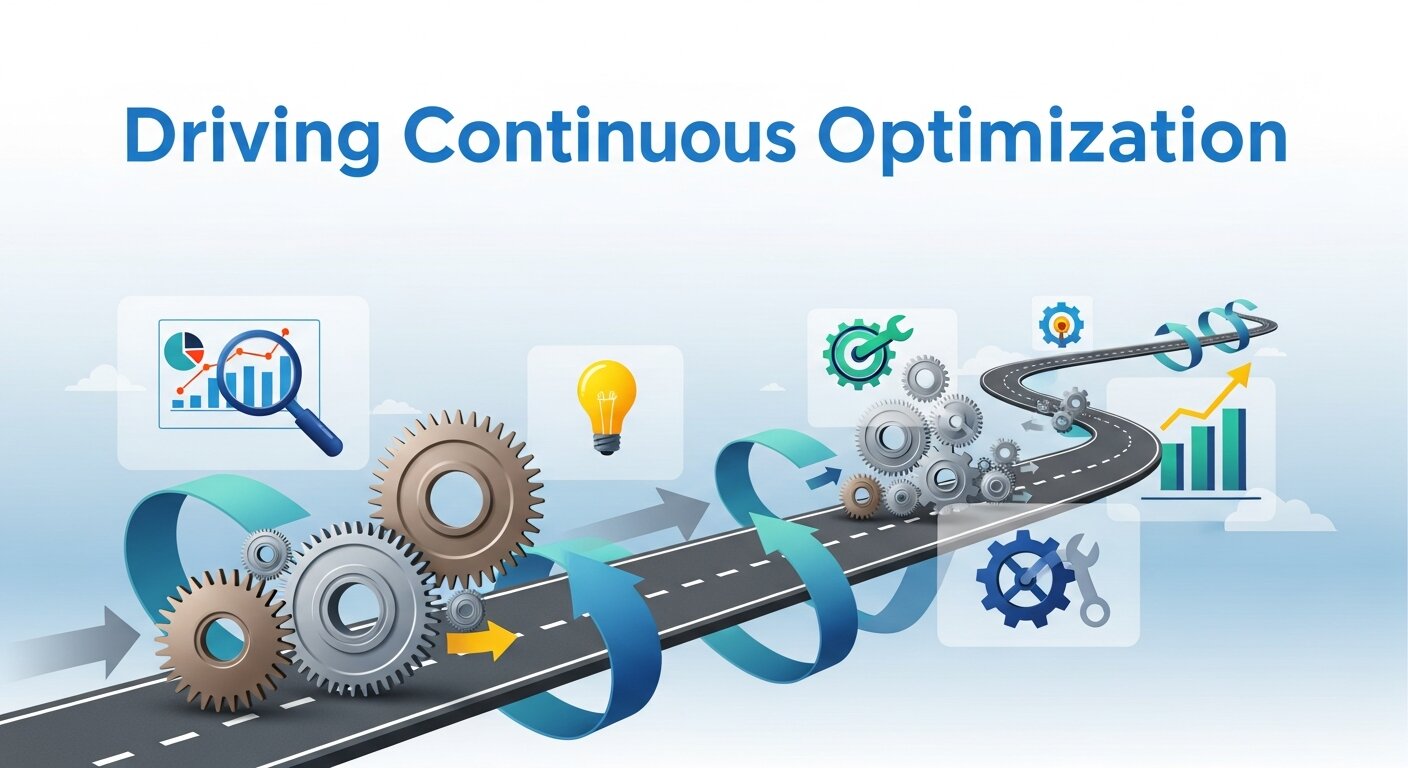
Optimization is never a one-time task—it’s an ongoing process. Marketing Analytics Managers foster a culture of experimentation by designing and analyzing A/B tests across campaigns, creatives, and landing pages. These experiments help teams validate ideas before scaling them, reducing risk and improving efficiency. By continuously testing hypotheses, marketers gain a deeper understanding of audience behavior and preferences. Over time, these incremental improvements compound, leading to stronger performance and more predictable outcomes. This data-led experimentation mindset separates high-performing marketing teams from those driven by intuition alone.
Becoming a Strategic Partner Across Departments
A Marketing Analytics Manager rarely works in isolation. They collaborate closely with marketing, sales, product, and leadership teams to ensure data consistency and shared understanding. Their insights influence product positioning, customer segmentation, and revenue forecasting. Acting as a connector between departments, they ensure everyone works from a single source of truth. This cross-functional role enhances trust in data and strengthens decision-making across the business. As organizations mature in their data usage, the Marketing Analytics Manager increasingly becomes a strategic partner—helping align teams, prioritize initiatives, and drive sustainable growth.
The Future of the Marketing Analytics Manager
Never before has the need been greater for a Marketing Analytics Manager. As data is driving decisions in the business today, this role is an opportunity to affect strategy, implement campaigns, and make a real impact in a business.
If you are considering this career or want to step up in your role, the emergence of AI, big-data predictive tools, and privacy-sensitive analytics makes this a great moment to specialize in marketing analytics.
If you’re looking to move beyond an understanding of the tools and tactics of this industry and dive deeper into the most updated resources to build skills and work in a hands-on way to develop a new skill set in this field.
Explore how Account-Based Marketing compares to traditional strategies and understand why ABM is becoming the preferred approach.
Frequently Asked Questions (FAQ)
1. What does a Marketing Analytics Manager do on a daily basis?
A Marketing Analytics Manager spends their day collecting, analyzing, and interpreting marketing data from multiple channels. Daily tasks often include building dashboards, analyzing campaign performance, running A/B tests, forecasting results, and presenting insights to marketing and leadership teams. Their goal is to help businesses make smarter, data-backed decisions.
2. What skills are required to become a Marketing Analytics Manager?
A successful Marketing Analytics Manager needs a combination of technical, analytical, and soft skills. These include experience with analytics tools like Google Analytics or Tableau, strong data interpretation skills, knowledge of marketing platforms, and the ability to communicate insights clearly to non-technical stakeholders.
3. Is a Marketing Analytics Manager a technical role?
Yes, the role is partially technical. While it doesn’t always require advanced programming, familiarity with SQL, data visualization tools, and analytics platforms is essential. As the role becomes more advanced, technical skills become increasingly important.
4. What is the difference between a Marketing Analyst and a Marketing Analytics Manager?
A Marketing Analyst typically focuses on reporting and analyzing data, while a Marketing Analytics Manager takes a more strategic role. Managers oversee analytics processes, guide decision-making, manage tools and teams, and align data insights with long-term business objectives.
5. Do Marketing Analytics Managers need coding skills?
Basic coding skills are not mandatory but are highly beneficial. Knowledge of SQL is often expected, and familiarity with Python or R can help when working with large datasets or advanced analytics projects.
6. What industries hire Marketing Analytics Managers?
Marketing Analytics Managers are in demand across industries including technology, e-commerce, finance, healthcare, SaaS, and retail. Any organization investing heavily in digital marketing and data-driven decision-making can benefit from this role.
7. Is Marketing Analytics Manager a good career choice?
Yes, it’s a strong career choice with high demand, competitive salaries, and long-term growth potential. As businesses increasingly rely on data to guide marketing strategies, the role continues to grow in importance and influence.
8. How long does it take to become a Marketing Analytics Manager?
Typically, it takes 4–7 years of experience. Many professionals start as Marketing Analysts or Data Analysts, build technical and strategic skills, and move into a managerial role with experience and proven results.
9. What certifications help become a Marketing Analytics Manager?
Popular certifications include Google Analytics (GA4), HubSpot Reporting, Tableau, Power BI, and SQL certifications. These credentials help validate technical skills and improve job prospects.
10. What is the future of the Marketing Analytics Manager role?
The role is evolving with trends like AI-driven analytics, real-time data tracking, and privacy-first measurement. Future Marketing Analytics Managers will play a more strategic role, focusing on predictive insights, automation, and ethical data usage.
 Rosemary Barker