

Marketing isn’t just about eye-catching ads or clever slogans anymore. It’s about data. Enter analytics marketing—a strategy where data-driven insights shape the way businesses connect with their audience.
But why is this important? Because data doesn’t lie. Understanding how your campaigns perform, how customers interact with your brand, and where your opportunities lie can make the difference between being a market leader or falling behind.
Understanding Your Audience
Knowing your audience is the cornerstone of effective analytics marketing. By analyzing demographic data, interests, and online behaviors, businesses can segment their audience and create targeted campaigns. Audience insights reveal what content resonates, which channels drive engagement, and where opportunities exist to build stronger connections. For example, analyzing social media interactions can uncover active user segments or top-performing posts. Using these insights, marketers can tailor messaging, optimize ad spend, and improve customer satisfaction. A deep understanding of your audience not only boosts campaign performance but also ensures resources are invested efficiently for maximum ROI.
Importance of Multi-Channel Analytics
Multi-channel analytics allows marketers to track customer interactions across various platforms, including social media, email, websites, and paid ads. This holistic approach ensures that no data is missed, revealing how different channels influence conversions. For example, a customer may discover a product on Instagram but complete a purchase via email. By analyzing this journey, marketers can allocate resources effectively and improve cross-channel strategies. Multi-channel insights also identify gaps where engagement is low or opportunities for retargeting. In a competitive market, understanding the full customer journey across channels is essential for optimizing campaigns and driving measurable growth.
Leveraging Social Media Analytics

Social media analytics measures engagement, reach, sentiment, and audience behavior on platforms like Facebook, Instagram, and LinkedIn. By tracking likes, shares, comments, and click-through rates, marketers can determine which content resonates best. Sentiment analysis helps gauge customer perception, identifying both positive and negative trends. Social media analytics also allows precise audience targeting by demographics, interests, or location. For businesses, these insights guide content strategy, ad spending, and influencer collaborations. When combined with website analytics, social data reveals the full customer journey, ensuring marketing campaigns are not only visible but also meaningful, driving both engagement and conversions.
Email Marketing Analytics
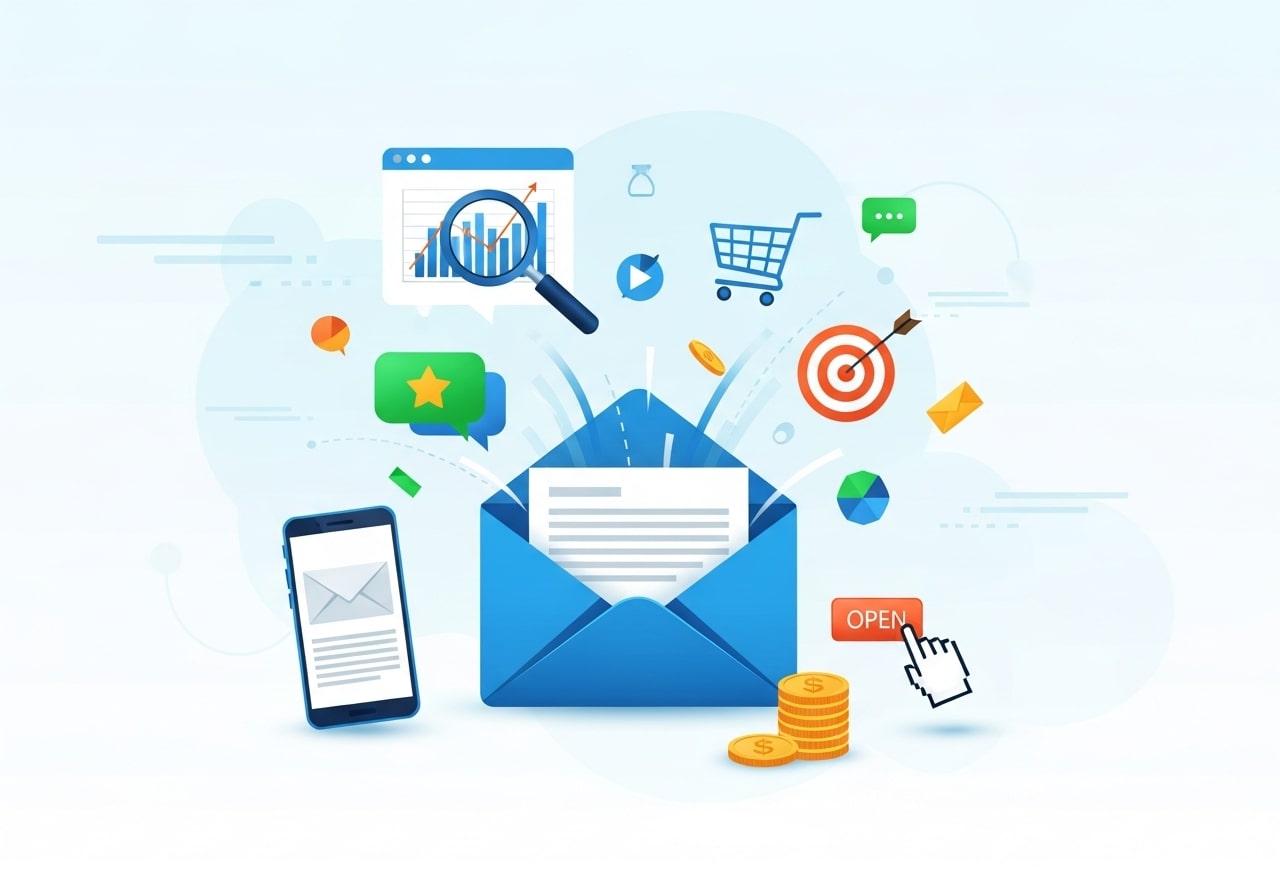
Email marketing remains a powerful channel, and analytics provide critical insights into campaign effectiveness. Metrics such as open rate, click-through rate, bounce rate, and unsubscribe rate indicate how recipients respond to emails. By analyzing these metrics, marketers can test subject lines, content layout, and sending times to optimize performance. Segmentation allows sending relevant content to different groups, increasing engagement and conversions. Advanced email analytics may include behavioral tracking, like which links are clicked most, and predictive scoring to target high-value leads. Ultimately, email analytics ensures campaigns are efficient, personalized, and profitable while maintaining strong customer relationships.
Content Performance Tracking
Content marketing only works if the performance is tracked and analyzed. Analytics tools measure page views, average session duration, bounce rate, and social shares to assess content effectiveness. High-performing content can be repurposed or promoted further, while underperforming pieces reveal opportunities for improvement. Tracking keywords, search rankings, and referral sources also informs SEO strategies. Understanding content performance ensures resources are focused on materials that drive engagement, traffic, and leads. By continuously analyzing and adjusting content strategies, marketers can optimize messaging, create more compelling content, and align campaigns with audience interests and business objectives, maximizing return on content investment.
Conversion Rate Optimization (CRO)
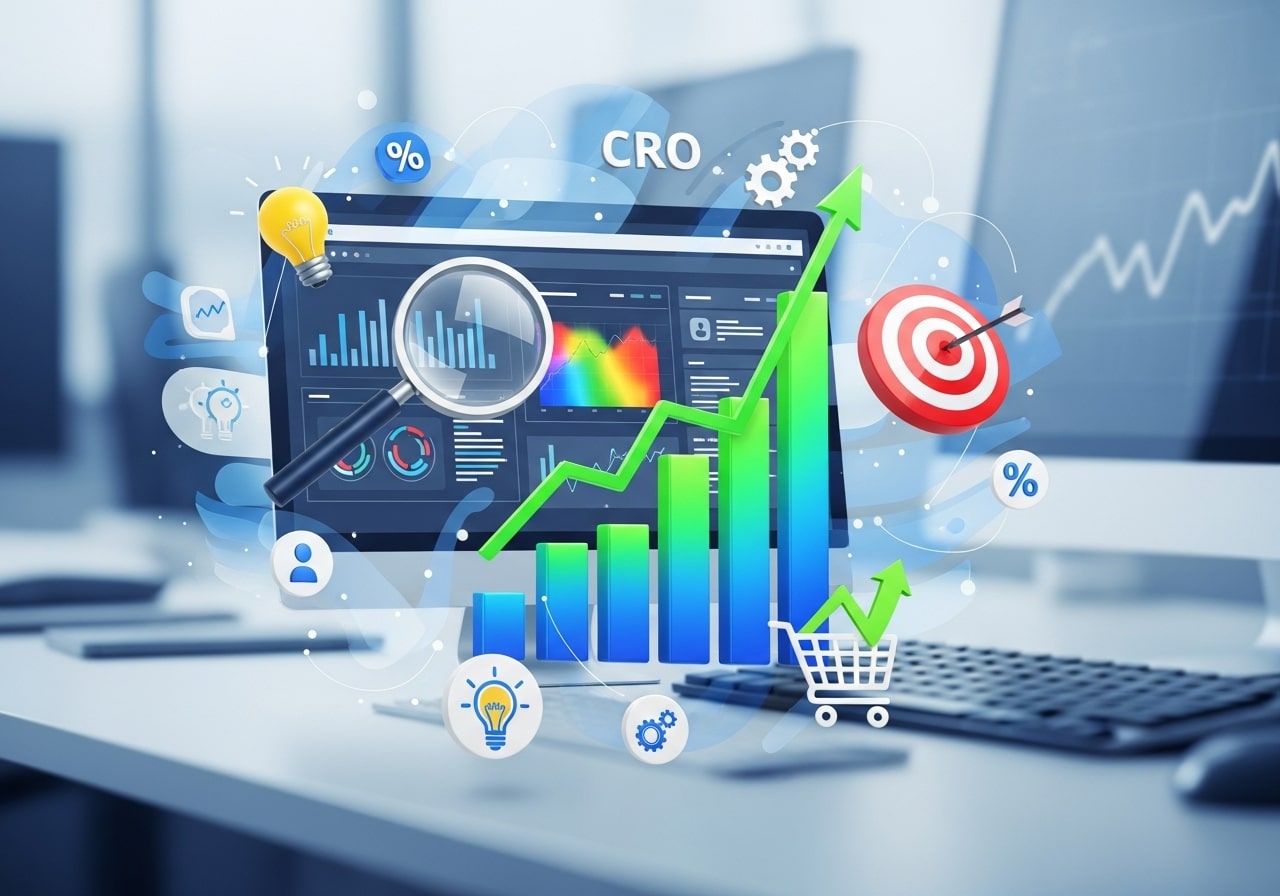
Conversion Rate Optimization (CRO) uses analytics to increase the percentage of visitors who complete desired actions, such as purchases or sign-ups. By analyzing user behavior, marketers can identify bottlenecks in the sales funnel, high-exit pages, or confusing navigation. A/B testing and heatmaps provide data-driven insights to improve website design, calls-to-action, and messaging. CRO ensures that existing traffic is maximized, reducing the need for additional advertising spend. Businesses that continuously monitor and optimize conversions can increase ROI without increasing costs. Data-driven CRO combines analysis, experimentation, and strategy to transform visitors into loyal customers efficiently.
Predictive Marketing Analytics

Predictive marketing analytics uses historical data, patterns, and AI algorithms to forecast future trends and customer behaviors. This allows marketers to anticipate demand, optimize campaigns, and personalize offers proactively. Predictive models can identify at-risk customers, high-value prospects, or seasonal trends. For instance, a retail brand can predict which products will be popular next season, adjusting inventory and promotions accordingly. Predictive analytics reduces risk and improves decision-making by moving from reactive to proactive marketing strategies. By leveraging data science, businesses can optimize budgets, enhance targeting, and gain a competitive advantage in a constantly evolving market.
Measuring Marketing ROI
Measuring marketing ROI is critical for evaluating campaign effectiveness and making strategic decisions. ROI calculation compares the revenue generated against marketing costs, providing a clear view of profitability. Analytics also tracks indirect benefits, like brand awareness, lead quality, and customer engagement. Advanced platforms enable detailed ROI measurement by channel, campaign, and audience segment, ensuring transparency. Continuous monitoring allows marketers to adjust campaigns in real time, improve budget allocation, and eliminate underperforming strategies. Understanding ROI ensures that every marketing dollar contributes to business growth, enabling data-driven planning, long-term strategy development, and maximizing returns on both digital and offline marketing investments.
Understanding Key Metrics
Metrics are the lifeblood of analytics marketing. They show where you’re excelling and what needs improvement. Below are three essential metrics every marketer should track.
1. Return on Investment (ROI)
ROI is the king of marketing metrics. It determines whether your campaigns are generating profits or simply burning budget.
How to calculate ROI:
Using a simple formula, you can measure ROI like this:
ROI = (Revenue – Cost of Marketing) / Cost of Marketing
For example, if your marketing campaign brought in $20,000 in revenue and cost $5,000 to launch, your ROI would be 300%. Strong ROI like this justifies future spending and strengthens decision-making.
2. Customer Lifetime Value (CLV)
CLV measures the total revenue a business expects from a customer over the entire span of their relationship. This metric is crucial for long-term planning.
For instance, if the average customer spends $500 annually and sticks around for three years, their CLV is $1,500. Knowing this helps you set realistic acquisition budgets and build retention strategies.
3. Churn Rate
Churn rate measures the customers you lose over time. A high churn rate signals a problem, while a low churn rate means your retention strategies are working.
If you acquired 200 new customers but lost 50 over the same period, your churn rate is 25%. Reduce churn, and you’ll boost recurring revenue automatically.
Tracking these three metrics is a solid starting point. Combined with insights into user behavior, sales funnel performance, and acquisition costs, they’ll help you drive your campaigns with precision.
Tools and Platforms You Need
Modern analytics marketing wouldn’t be possible without the right tools. Here are the most popular platforms and how they help marketers make sense of their data.
1. Google Analytics
Probably the most widely used platform, Google Analytics provides a robust set of features for tracking website traffic, user behavior, and campaign performance. It’s an affordable (often free) gateway into analytics for businesses of all sizes.
Key Feature: Real-time tracking that provides instant insights into site activity.
2. Adobe Analytics
Adobe Analytics offers deeper customization and is ideal for enterprise businesses looking to analyze large datasets across multiple channels.
Key Feature: Advanced segmentation and predictive analytics for better audience targeting.
3. Mixpanel
While Google Analytics focuses heavily on website performance, Mixpanel is king when it comes to product and user behavior analytics, especially for SaaS platforms.
Key Feature: Detailed funnel analysis to see where users drop off during their journeys.
Bonus Tools to Level Up Your Strategy
- Hotjar: Heatmaps to visually track where users focus on your website.
- HubSpot: Combines CRM and analytics to provide a holistic view of marketing efforts.
With these tools, you’ll have everything you need to start gathering data and gaining actionable insights.
Implementing Analytics
With tools in place, how do you begin? The answer lies in proper implementation. A great analytics strategy requires setting up accurate tracking every step of the way.
Step 1: Set Up Goals and Key Performance Indicators (KPIs)
Begin by identifying what success looks like for your business. Are you boosting email sign-ups? Increasing online sales? Your goals will define your KPIs.
Step 2: Install Tracking Code
Most analytics tools require a tracking code to collect user data. For example, setting up Google Analytics involves placing a snippet of JavaScript code on all your web pages.
Step 3: Tag Your Campaigns (UTMs)
Use UTM parameters to track the performance of specific marketing campaigns. Whether it’s email, social, or paid search, UTM tags tell you exactly where conversions are coming from.
Tracking correctly ensures you’re not just gathering data, but gathering the right data.
Step 4: Review and Adapt
Analytics isn’t static. Schedule weekly reviews to identify what’s working and adapt strategies for better results.
Case Studies
Case Study 1: E-commerce Brand Boosts ROI by 200%
A small online retailer implemented Mixpanel and tracked their checkout process. By identifying bottlenecks, they decreased cart abandonment by 30%, leading to a 200% ROI increase in under six months.
Case Study 2: SaaS Company Reduces Churn
Using predictive features in Adobe Analytics, a SaaS provider targets at-risk customers with retention offers. The result? A 15% reduction in churn in just one quarter.
These successes underscore the immense potential of analytics marketing when done right.
Future Trends to Watch
The future of analytics marketing is shaping up to be both exciting and challenging, with AI and machine learning redefining the landscape.
- Predictive Analytics: Tools will become more proactive, identifying trends before they happen.
- Personalization at Scale: AI can deliver hyper-personalized campaigns tailored to individual users in real time.
- Voice Search Data: With voice assistants becoming ubiquitous, new metrics will emerge to capture the impact of voice search on customer journeys.
By staying ahead of innovation, your analytics marketing strategy will evolve to match consumer behavior and market demands.
Data-Driven Marketing is the Future
Marketing without analytics is like flying blind. By understanding the right metrics, using the best tools, and implementing effective tracking, you give your business the power to make informed decisions that drive success.
Take your first step into analytics marketing today. Whether you’re a small business owner or managing an enterprise, the opportunities are endless.
Want to future-proof your marketing strategy? Start by adopting analytics solutions like Google Analytics or Mixpanel, and explore how data can help you create campaigns that truly connect.
Read more about this topic: Advanced Analytics Tools: Your Guide to Marketing Success
Frequently Asked Questions (FAQ) – Analytics Marketing
1. What is analytics marketing?
Analytics marketing is the practice of using data-driven insights to guide marketing decisions. It involves tracking customer behavior, campaign performance, and engagement metrics to optimize strategies and improve ROI. Instead of relying on guesswork, businesses use measurable data to connect with their audience more effectively.
2. Why is analytics marketing important?
It provides measurable insights into how campaigns perform and where improvements are needed. Analytics marketing helps businesses reduce wasted spend, increase conversions, boost customer retention, and make data-backed decisions that give a competitive edge.
3. What are the key metrics in analytics marketing?
Important metrics include ROI (Return on Investment), CLV (Customer Lifetime Value), and churn rate. Along with these, marketers often track engagement rates, conversion rates, traffic sources, and sales funnel performance to get a full picture of marketing effectiveness.
4. Which tools are best for analytics marketing?
Popular tools include Google Analytics for website tracking, Adobe Analytics for enterprise-level insights, Mixpanel for user behavior, Hotjar for heatmaps, and HubSpot for combined CRM and analytics. Python or R can be used for advanced custom analytics.
5. How can small businesses use analytics marketing?
Small businesses can start by tracking basic metrics like website traffic, email sign-ups, and social engagement. Free or low-cost tools like Google Analytics and HubSpot provide actionable insights without requiring large budgets or complex setups.
6. What is the role of predictive analytics in marketing?
Predictive analytics forecasts future behavior by analyzing historical data. It helps marketers anticipate customer actions, optimize campaigns, and reduce churn by targeting at-risk users with personalized messaging before problems arise.
7. How often should analytics data be reviewed?
Analytics should be reviewed regularly to ensure campaigns remain effective. Weekly or bi-weekly reviews are common for smaller teams, while enterprise businesses may monitor real-time dashboards daily to adapt strategies quickly.
8. Can AI improve analytics marketing?
Yes. AI enhances analytics marketing by automating data collection, detecting patterns faster, providing predictive insights, and enabling hyper-personalized campaigns at scale. AI helps marketers make smarter, faster decisions based on comprehensive data.