
Search engine optimization has evolved far beyond keyword stuffing and link building. Marketing analytics now serves as the backbone of successful SEO strategies, providing the data-driven insights that separate winning campaigns from wasted efforts.
The integration of marketing analytics into SEO isn’t just a trend—it’s become essential for businesses wanting to compete online. While traditional SEO focused on guesswork and best practices, modern campaigns rely on concrete data to guide every decision, from content creation to technical optimization.
Marketing Analytics Transforms SEO and Engagement
Marketing analytics transforms SEO and engagement by providing actionable insights into user behavior, keyword performance, and content effectiveness. Businesses can optimize their website, improve search rankings, enhance user experience, and drive higher traffic, conversions, and long-term online growth.
Understanding Marketing Analytics for SEO
Marketing analytics encompasses the measurement, analysis, and interpretation of data related to marketing performance. For SEO professionals, this means tracking user behavior, search performance, and website interactions to optimize for both search engines and human visitors.
Essential SEO Metrics That Drive Results
Click-through rate (CTR) measures how often users click on your search results compared to how many times they appear. A low CTR signals that your title tags and meta descriptions need improvement, while a high CTR indicates compelling search snippets that resonate with your audience.
Bounce Rate reveals whether visitors find what they’re looking for on your pages. High bounce rates often indicate misaligned search intent, slow loading times, or poor content quality. This metric helps identify pages that need content optimization or technical improvements.
Conversion Rates show how effectively your organic traffic turns into customers, subscribers, or leads. This metric connects SEO efforts directly to business outcomes, helping justify investment in optimization activities.
Dwell Time measures how long users spend on your site after clicking from search results. Search engines use this as a quality signal, making it crucial for maintaining and improving rankings.
Tools That Power Analytics-Driven SEO
Google Analytics 4 provides comprehensive insights into user behavior, traffic sources, and conversion paths. Its enhanced measurement capabilities track scroll depth, video engagement, and file downloads automatically, giving SEO professionals a deeper understanding of content performance. Read more about this topic: Google Analytics 4: Your Complete Guide to GA4
Google Search Console offers direct insights from Google about your site’s search performance. It reveals which queries trigger your pages, identifies crawling issues, and shows how search snippets appear to users.
SEMrush combines competitive intelligence with performance tracking, allowing you to analyze competitor strategies while monitoring your own progress. Its position tracking and backlink analysis features provide context for ranking changes.
Ahrefs excels at backlink analysis and keyword research, helping identify link-building opportunities and content gaps that analytics reveal in your strategy.
How Marketing Analytics Enhances SEO Performance

Making Data-Driven Content Decisions
Analytics transforms content strategy from educated guessing into strategic planning. By analyzing search queries that bring traffic to your site, you can identify content topics that resonate with your audience and discover new keyword opportunities.
User behavior data reveals which content formats perform best. If analytics show that long-form guides generate more engagement and backlinks than short articles, you can adjust your content calendar accordingly. Similarly, tracking which topics drive the most qualified traffic helps prioritize future content creation.
Search Console data exposes the gap between intended keywords and actual search queries. You might target “email marketing software,” but discover users find your content through “email automation tools” instead. This insight allows you to optimize existing content and create new pages that better match search intent.
Optimizing User Experience Through Behavioral Insights
Marketing analytics reveals exactly how users interact with your website, enabling targeted improvements that boost both user satisfaction and search rankings.
Page speed analytics identify bottlenecks that cause users to abandon your site. When data shows high bounce rates correlate with slow loading times on specific pages, you can prioritize technical optimizations that deliver immediate improvements.
Heat mapping tools combined with analytics data reveal navigation problems and content placement issues. If users consistently ignore your call-to-action buttons or struggle to find important information, analytics-guided redesigns can dramatically improve conversion rates.
Mobile analytics deserve special attention, as mobile-first indexing makes mobile user experience crucial for rankings. Analytics can reveal device-specific issues, loading problems, and usability concerns that impact search performance.
Measuring and Improving Campaign ROI
Analytics enables precise measurement of SEO campaign effectiveness, moving beyond vanity metrics to focus on business impact.
Attribution modeling helps track the customer journey from initial search to final conversion. This reveals which keywords and content pieces contribute most to business outcomes, allowing you to allocate resources more effectively.
Cohort analysis shows how organic traffic value changes over time. Users acquired through certain keywords might convert immediately, while others require multiple visits before purchasing. Understanding these patterns helps optimize for long-term value rather than just immediate traffic.
Revenue tracking connects SEO efforts directly to business growth. When you can demonstrate that organic traffic from specific keywords generates measurable revenue, securing budget for SEO initiatives becomes much easier.
Real-World Success Stories
A B2B software company used Google Analytics to discover that visitors reading their comparison articles converted at three times the rate of those viewing product pages directly. This insight led them to create comprehensive comparison content for their top keywords, resulting in a 150% increase in qualified leads from organic search within six months.
An e-commerce retailer analyzed user flow data and found that customers frequently bounced from product pages due to missing size information. After adding detailed sizing guides and improving product descriptions based on search query analysis, they saw a 40% reduction in bounce rate and 25% increase in organic revenue.
A local service business used Search Console data to identify location-based keywords they weren’t targeting. By creating location-specific landing pages informed by actual search queries, they increased local search visibility by 200% and doubled online booking requests.
Advanced Keyword Performance Analysis
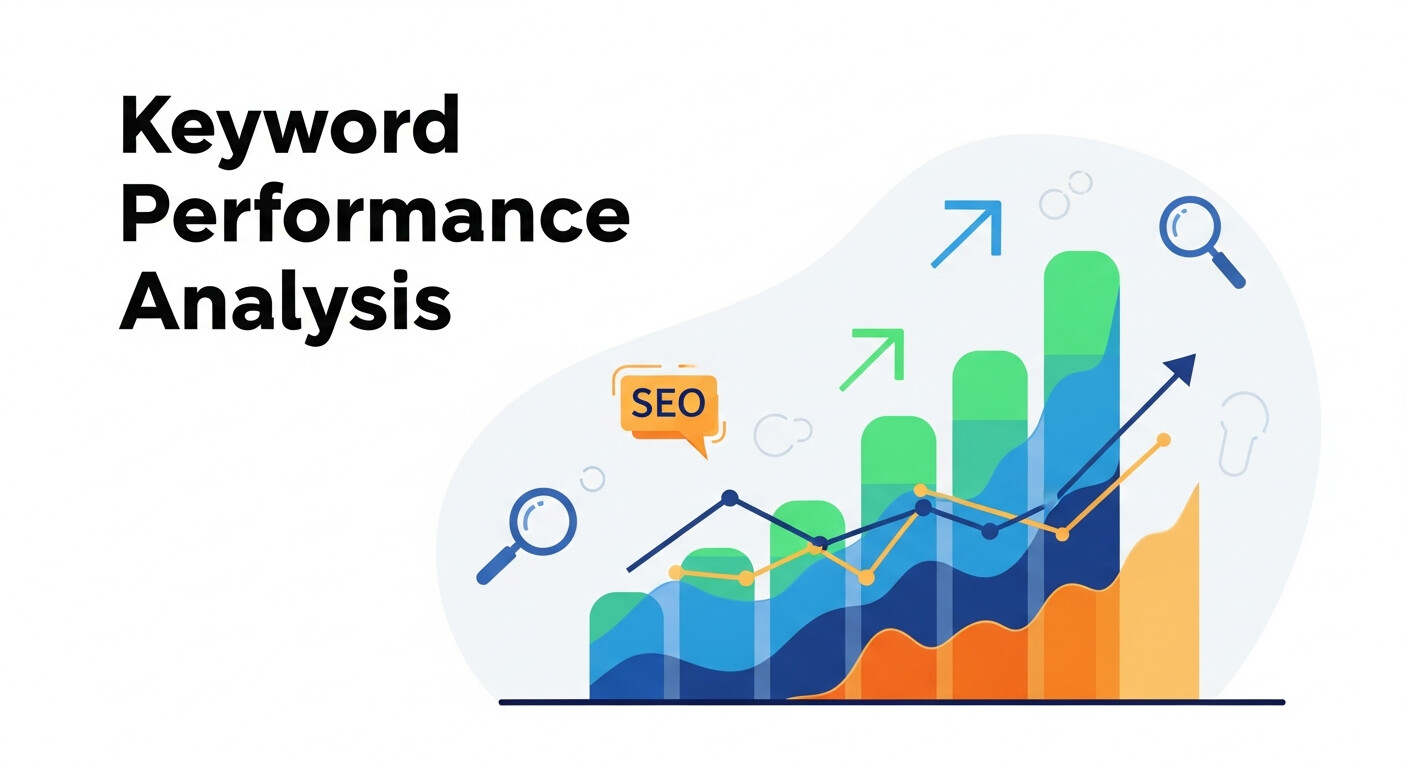
Keyword performance analysis goes beyond simply tracking rankings. Using analytics tools, you can evaluate which keywords drive qualified traffic, engage users, and generate conversions. By examining metrics like CTR, dwell time, and conversion rates for specific keywords, you can identify high-value terms that deserve more content focus or optimization. Additionally, you can discover underperforming keywords that may need revised meta tags, updated content, or improved internal linking. This data-driven approach allows you to prioritize SEO efforts based on real business impact rather than intuition. Over time, continuously monitoring keyword performance helps refine content strategy, adapt to changing search trends, and maximize ROI for your organic search campaigns.
Leveraging Backlink Analytics
Backlinks remain a critical factor in SEO, but not all links contribute equally. Backlink analytics allows you to assess link quality, relevance, and authority, helping prioritize outreach efforts. Tools like Ahrefs and SEMrush provide insights into which domains link to competitors, revealing opportunities for your own campaigns. By tracking referral traffic and conversions from backlinks, you can measure their actual business impact. Additionally, analytics can identify toxic links that may harm your rankings, allowing timely disavowal. Understanding backlink performance enables a strategic approach to link building—focusing on high-value opportunities, strengthening domain authority, and improving search visibility through data-backed decisions rather than random link acquisition.
Tracking Technical SEO Metrics
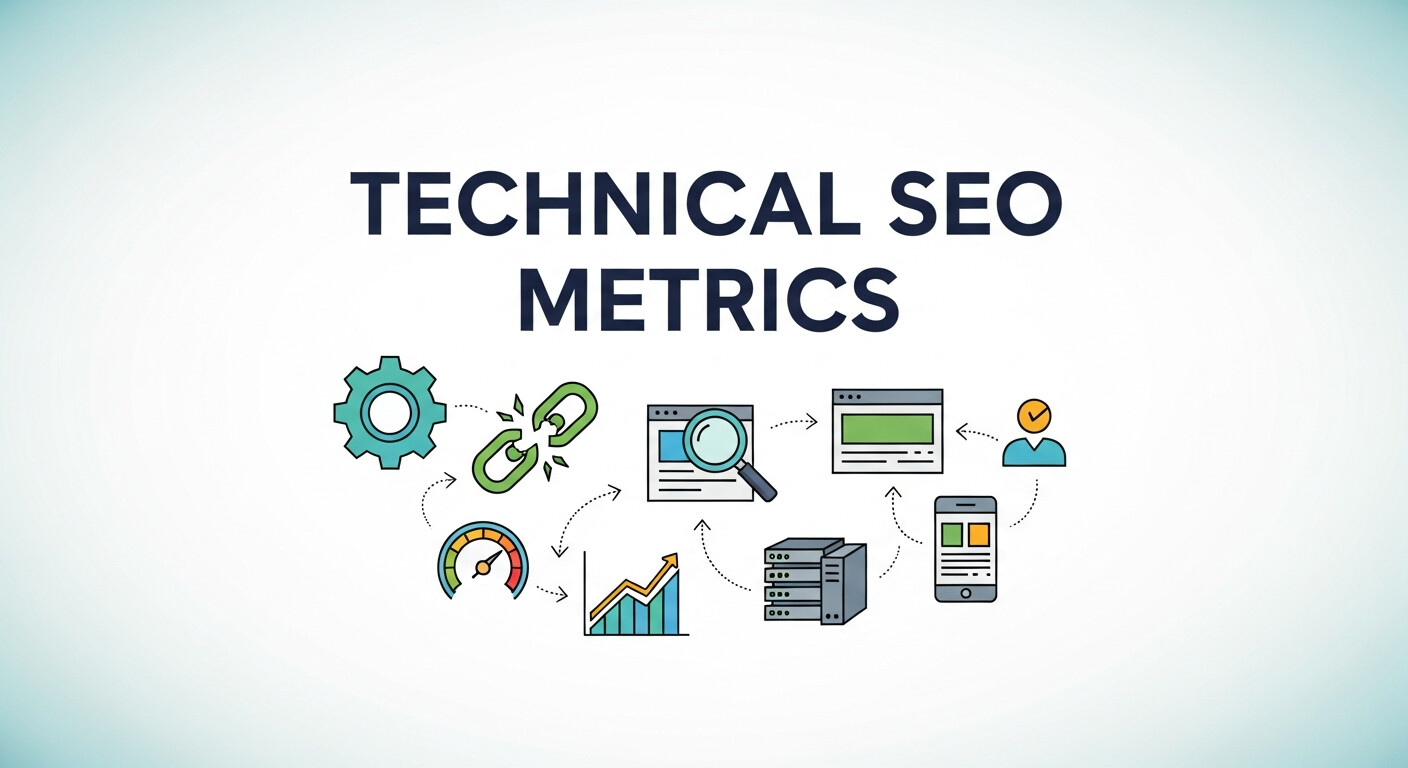
Technical SEO underpins website performance and search engine rankings. Analytics tools can monitor key technical metrics such as crawl errors, broken links, structured data implementation, page load times, and Core Web Vitals. These insights help identify issues that may hinder indexing or negatively impact user experience. For example, pages with slow load times often show higher bounce rates, reducing search visibility. Similarly, identifying mobile usability problems can prevent ranking penalties in mobile-first indexing. Regularly tracking technical SEO metrics ensures that your site remains healthy, optimized, and accessible to both users and search engines. This proactive approach minimizes errors, improves user satisfaction, and supports long-term SEO growth.
Content Gap and Opportunity Analysis
Analytics-driven SEO highlights content gaps—topics your audience is searching for but that your site doesn’t cover. By analyzing search queries, competitor performance, and organic traffic patterns, you can identify opportunities to create content that meets user intent. For instance, if certain long-tail keywords generate significant traffic for competitors but aren’t targeted on your site, this signals an untapped opportunity. Similarly, low-performing pages may indicate topics that need updated or expanded content. Leveraging this data allows you to plan content strategically, fill gaps, and attract highly qualified organic traffic. Over time, a systematic approach to content gap analysis improves search visibility, engagement, and conversion rates.
Predictive SEO with Analytics
Predictive SEO uses historical data and analytics to forecast future trends, user behavior, and ranking opportunities. By examining patterns such as seasonal traffic fluctuations, engagement metrics, and keyword performance, you can anticipate high-demand topics and optimize content proactively. Machine learning tools and AI-powered analytics can identify emerging search trends before competitors do, enabling early optimization. Predictive insights also inform resource allocation, helping prioritize campaigns with the highest potential ROI. For example, predicting which keywords will likely drive conversions allows teams to create targeted landing pages in advance. By integrating predictive analytics into SEO strategy, businesses stay ahead of trends, improve traffic quality, and maximize long-term growth.
Emerging Trends in Analytics-Driven SEO
Artificial intelligence and machine learning are transforming how we analyze and act on SEO data. Predictive analytics now forecast ranking opportunities before competitors identify them, while automated reporting systems flag issues and opportunities in real-time.
Voice search analytics are becoming increasingly important as smart speakers and voice assistants change how people search. Understanding query patterns and optimizing for conversational keywords requires new analytical approaches.
Core Web Vitals and user experience metrics continue gaining importance in search rankings. Analytics tools now integrate these technical performance indicators with user behavior data, providing holistic views of site performance.
Privacy changes and cookieless tracking require new measurement strategies. Server-side tracking and first-party data collection are becoming essential for maintaining analytical capabilities while respecting user privacy.
Building Your Analytics-Powered SEO Strategy
Start by auditing your current analytics setup. Ensure proper tracking implementation, goal configuration, and data integration across platforms. Many SEO efforts fail because of measurement gaps rather than strategy problems.
Develop regular reporting rhythms that connect SEO metrics to business outcomes. Monthly performance reviews should examine ranking changes, traffic quality, and conversion trends together rather than in isolation.
Create feedback loops between analytics insights and optimization actions. When data reveals opportunities or problems, establish processes for quick implementation and results measurement.
Focus on leading indicators rather than just lagging metrics. While rankings and traffic matter, early signals like crawl rate changes, Core Web Vitals improvements, and content engagement trends can predict future performance.
The role of marketing analytics in modern SEO campaigns extends far beyond basic performance measurement. It enables strategic decision-making, user experience optimization, and ROI demonstration that traditional SEO approaches cannot match. As search engines become more sophisticated and user expectations continue rising, analytics-driven optimization becomes the foundation for sustainable SEO success.
Frequently Asked Questions (FAQ)
1. What is analytics-driven SEO?
Analytics-driven SEO is the practice of using marketing and website data to guide search engine optimization strategies. Instead of relying on guesswork or traditional SEO tactics alone, it leverages insights from tools like Google Analytics, Search Console, and other analytics platforms to improve rankings, content relevance, and conversions.
2. Why is marketing analytics important for SEO?
Marketing analytics provides data on user behavior, traffic sources, search performance, and conversion paths. This allows marketers to make data-backed decisions, optimize content, improve user experience, and measure ROI, ensuring SEO efforts align with business goals.
3. Which key SEO metrics should I track?
Essential metrics include click-through rate (CTR), bounce rate, dwell time, conversion rate, organic traffic growth, and page performance. Monitoring these helps identify content gaps, technical issues, and opportunities for improvement.
4. How do analytics tools help improve content strategy?
Analytics reveal which search queries drive traffic, which pages engage users, and which formats perform best. This enables data-driven content planning, targeting relevant keywords, optimizing existing pages, and creating high-performing new content.
5. Can analytics improve user experience and rankings?
Yes. Tools provide insights into page speed, navigation behavior, mobile performance, and Core Web Vitals. Acting on this data enhances user experience, reduces bounce rates, and positively impacts search engine rankings.
6. What role does attribution play in SEO analytics?
Attribution helps track the entire customer journey, revealing which channels, keywords, and content contribute most to conversions. This ensures resources are allocated effectively and ROI is maximized.
7. How can small businesses benefit from analytics-driven SEO?
Even small sites can use analytics to identify high-value keywords, optimize pages, improve content relevance, and track conversions. This leads to better visibility, higher engagement, and measurable business growth without guesswork.
8. Are there risks with relying on analytics for SEO?
While analytics provide valuable insights, incomplete tracking, misconfigured goals, or incorrect interpretation can lead to misguided strategies. Ensuring accurate setup and understanding data context is critical.
9. How do emerging trends like AI and voice search impact analytics-driven SEO?
AI and voice search require new data analysis approaches, such as predicting ranking opportunities, understanding conversational queries, and tracking engagement patterns. Analytics helps SEO adapt to these evolving trends effectively.
10. How do I start implementing analytics-driven SEO?
Begin by auditing your current analytics setup, configuring goals, and integrating data across platforms. Regularly analyze metrics, connect insights to content and UX improvements, and create feedback loops to act on data quickly for continuous optimization.