
A successful venture requires more than a great idea; it demands a strategic market analysis for a business plan to validate your vision with real-world data and actionable insights.
This guide explores the essential components of a market analysis for a business plan, covering industry trends, target demographics, and competitive landscapes. By utilizing advanced marketing analytics and strategic frameworks, entrepreneurs can recognize growth opportunities and build a data-driven foundation for long-term commercial success.
Mastering the Market Analysis for a Business Plan
Launching a business without a thorough understanding of the landscape is like sailing without a map. Whether you are seeking venture capital or drafting internal growth strategies, a market analysis for a business plan is the cornerstone of your document. It transforms a conceptual “vision” into a bankable strategy by proving there is a tangible demand for your product or service.
1. The Executive Summary: Your Strategic Snapshot
The executive summary provides a concise overview of your entire business plan, highlighting key insights from your market analysis. It outlines your value proposition, target audience, competitive advantage, and financial goals. Although it appears first, it’s best written last—after all research is complete. A strong executive summary captures attention quickly, communicates clarity of vision, and convinces stakeholders that your strategy is well-informed, realistic, and positioned for growth.While the executive summary appears first in the document, it is actually the final section you should write. This “digestible snippet” aggregates the most critical findings of your research for stakeholders.
- Market Opportunities: The specific gaps you’ve identified.
- Target Audience: A brief overview of your ideal customer.
- Competitive Edge: Why you will win against incumbents.
- Sales Projections: High-level financial expectations.
2. Deep Dive: Industry Analysis

Industry analysis helps you understand the bigger picture shaping your business environment. Start by evaluating market size, growth rates, emerging trends, and regulatory factors that may impact your operations. Identify key players and technological shifts influencing customer expectations. This step also involves assessing barriers to entry and potential disruptions. By combining reliable industry data with forward-looking insights, you gain clarity on where your market is heading—allowing you to position your business strategically and capitalize on opportunities before competitors do.Your market analysis for a business plan must be anchored in the macro-environment. This involves looking at the “big picture” of your industry to see if the wind is at your back.
Understanding Market Size and Growth
You need to quantify the Total Addressable Market (TAM). Are you entering a billion-dollar industry growing at 10% annually, or a shrinking niche? Use reputable sources like Statista or IBISWorld to provide hard numbers.
- Technological: How is AI-driven trend forecasting changing production?
- Regulatory: Are there new laws affecting Brand Safety in Digital Marketing?
- Cultural: Is there a shift toward Ethical Branding or Brand Purpose Development?
The Target Market: Knowing Your Customer
Defining your target market means understanding exactly who your ideal customers are and what motivates their buying decisions. Go beyond basic demographics to explore behaviors, psychographics, needs, and pain points. Segment your audience into clear groups and identify their preferred channels, budgets, and expectations. This insight allows you to tailor products, messaging, and pricing effectively—ensuring your marketing efforts reach the right people with the right message at the right time.The heart of any market analysis for a business plan is the customer. Modern success requires being “laser-focused.” Using Customer Journey Analytics, you can map out exactly how a lead becomes a loyal advocate.
- Demographics: Age, gender, income, education, and employment.
- Psychographics: Attitudes, values, and lifestyle. Do they value Luxury Brand Marketing or are they looking for a Traditional Business Model?
- Customer Segmentation: Break your audience into groups (e.g., Millennials vs. Seniors). This ensures you don’t waste resources trying to reach everyone at once.
Competitive Analysis: Navigating the Battlefield
Competitive analysis reveals how your business compares to others in your market. Identify direct and indirect competitors, evaluate their strengths, pricing, positioning, and customer experience. Use tools like competitive matrices to uncover gaps and opportunities. This process helps you differentiate your brand, refine your value proposition, and anticipate market shifts. By understanding competitor strategies, you gain the clarity needed to build smarter campaigns and maintain a sustainable advantage.In business, you never operate in a vacuum. A market analysis for a business plan must include a rigorous Competitive Brand Analysis.
- Pricing: Are they premium or budget-focused?
- Quality: How does their product hold up?
- Customer Service: Do they offer Review Management Services or personal support?
- Brand Awareness: Do they have a high Digital Reputation Management score?
SWOT Analysis: The Fundamental Framework
SWOT Analysis helps you evaluate your business from both internal and external perspectives by identifying Strengths, Weaknesses, Opportunities, and Threats. Strengths highlight what you do well, while weaknesses reveal areas needing improvement. Opportunities uncover market gaps and growth potential, and threats expose competitive or economic risks. This structured framework turns scattered insights into clear strategic direction. When used correctly, SWOT supports smarter decision-making, sharper positioning, and realistic goal setting—making it a foundational tool for any successful market analysis.A SWOT analysis is essential for evaluating both your company and the market landscape. It is a staple in any Brand Strategy Consulting Guide.
- Strengths: Internal benefits like a talented team or patented technology.
- Weaknesses: Internal hurdles like low Brand Awareness or limited budget.
- Opportunities: External trends like a sudden surge in Viral Marketing on TikTok.
Threats: External obstacles like a weak economy or a new Brand Crisis Management issue.
Customer Validation & Market Testing

Before fully committing resources, it’s critical to validate your assumptions in the real world. Customer validation bridges the gap between research and reality by confirming that people are genuinely willing to pay for your solution. This step reduces risk and strengthens your market analysis for a business plan by replacing hypotheses with behavioral data.
Rather than relying only on secondary research, use direct feedback loops to test demand, pricing sensitivity, and product-market fit.
-
MVP Launch: Release a simplified version of your product
-
Customer Interviews: Gather qualitative insights from target users
-
Landing Page Testing: Measure conversion interest
-
A/B Testing: Compare messaging or pricing options
-
Pre-orders or Waitlists: Validate purchase intent
Common Market Testing Approaches
| Method | Purpose | Key Insight |
|---|---|---|
| Surveys | Understand preferences | Feature demand |
| MVP Testing | Validate usability | Product-market fit |
| Landing Pages | Measure interest | Conversion rates |
| Beta Programs | Gather feedback | User experience |
| Paid Ads | Test messaging | Cost-per-lead |
By validating early, entrepreneurs avoid building products nobody wants—turning market analysis into measurable traction.
Marketing Strategy: The Road Map to Growth
Your marketing strategy translates market insights into actionable plans for reaching and engaging your target audience. Start by defining your brand positioning and unique value proposition. Choose the right channels—such as social media, email campaigns, SEO, or influencer partnerships—based on where your audience spends time. Set budgets, timelines, and measurable KPIs to track performance. A clear roadmap ensures consistent messaging, optimized resource allocation, and data-driven decisions that turn insights from your market analysis into tangible growth and long-term business success.After the analysis comes the action. Your marketing plan is where you outline how to reach your audience using Digital Marketing Analytics.
- Brand Positioning: How will you occupy space in the consumer’s mind? (e.g., Luxury Brand Marketing Strategy).
- Channels: Will you use SMS Marketing, Outbound Email Marketing, or Influencer Marketing Services?
- Budgeting: Clearly state how much you will invest in Social Media Management or SEO Services and the expected return on investment (ROI).
Financial Projections: The Data-Driven Forecast
Your financial section should be a direct reflection of your market analysis for a business plan. If your research shows a massive unmet need, your sales projections should reflect that—backed by data.
- Sales Projections: Based on market demand and your expected share.
- Cost Estimates: Including SaaS Development Services, marketing spend, and operating costs.
- Growth Potential: Balance optimism with “hard numbers” to build trust with lenders.
Comparison of Research Methodologies
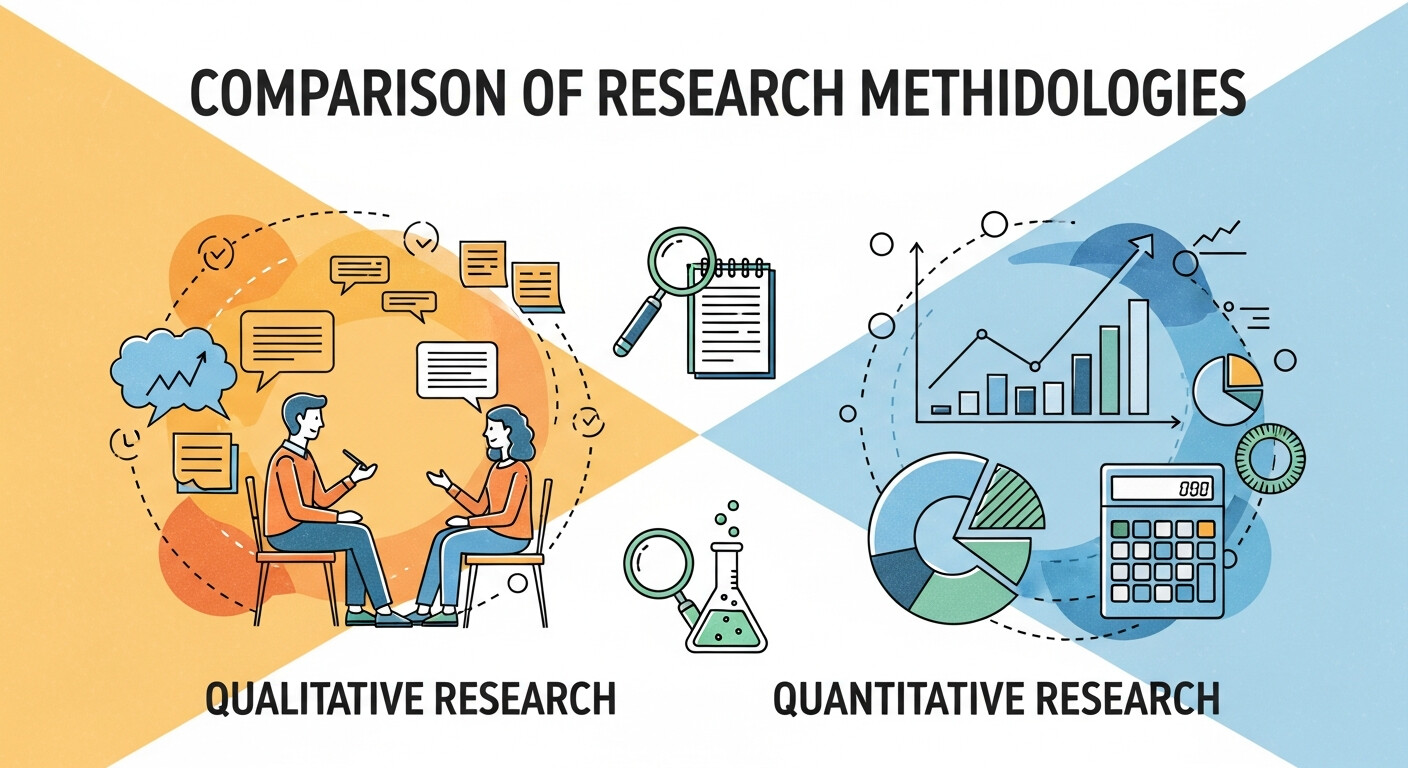
Choosing the right research methodology is essential for accurate market analysis. Different approaches provide insights into various aspects of your business environment. Industry trend research focuses on macro growth, emerging forces, and overall market size, while consumer behavior research dives into psychographics, preferences, and purchase patterns. Digital performance research measures website traffic, SEO, and online engagement, whereas brand perception research evaluates awareness, reputation, and customer loyalty. Selecting the appropriate combination ensures your business decisions are backed by reliable, actionable data.
| Research Type | Focus Area | Best Tools |
| Industry Trends | Macro growth and forces | Wikipedia, IBISWorld |
| Consumer Behavior | Psychology and habits | Customer Journey Mapping, Surveys |
| Digital Performance | SEO and web traffic | SEMrush, Google Analytics |
| Brand Perception | Awareness and authority | Brand Audit, Social Media Monitoring |
Advanced Insights: Trends and Viral Content
In the modern digital landscape, mastering Trend Marketing Mastery is vital. Utilizing Viral Content Marketing Strategy can lead to a lower Customer Acquisition Cost (CAC) and “game-changing advantages.” However, your market analysis for a business plan should also address Viral vs. Sustainable Marketing to ensure you aren’t just a “flash in the pan.”
Leveraging AI-Driven Trend Marketing allows you to stay ahead of the curve, identifying Micro Trend Marketing opportunities before they hit the mainstream. This predictive approach is what separates industry leaders from followers.
Conclusion
A comprehensive market analysis for a business plan is the foundation upon which successful companies are built. By understanding your industry, defining your customer, and analyzing your competition, you create a strategy rooted in reality rather than hope. Remember, data-driven decisions lead to sustainable growth and long-term investor confidence.
Frequently Asked Questions
1. Why is a market analysis for a business plan necessary?
A market analysis validates your business idea with real data. It shows investors and stakeholders that demand exists while highlighting risks, gaps, and opportunities. By understanding your audience, competitors, and industry trends, you can make smarter decisions, avoid costly mistakes, and build a strategy grounded in reality—not assumptions.
2. How do I start a market analysis for a business plan?
Begin with high-level industry research using government reports, market studies, and trusted data sources. Then narrow your focus to your ideal customers—defining their needs, behaviors, and pain points. Finally, analyze competitors to identify differentiation opportunities and validate your market positioning.
3. What is a competitive matrix?
A competitive matrix is a visual comparison tool that measures your business against rivals across key factors like pricing, features, quality, and brand positioning. It helps reveal strengths, weaknesses, and market gaps, enabling you to refine your value proposition and clearly communicate why customers should choose you.
4. How does SEO fit into a market analysis?
SEO shows what real customers are actively searching for. By analyzing keywords and search trends, you uncover demand patterns, content opportunities, and buyer intent. These insights help shape your brand voice strategy, product messaging, and content plan—ensuring your business aligns with customer needs.
5. What are psychographics?
Psychographics explore deeper customer traits such as values, interests, lifestyles, motivations, and personalities. Unlike demographics, they explain why people buy. Understanding psychographics allows you to craft emotionally resonant messaging, personalize campaigns, and create products that truly connect with your target audience.
6. What is the difference between inbound and outbound marketing?
Inbound marketing attracts customers through helpful content like blogs, videos, and SEO. Outbound marketing pushes messages directly via ads, cold emails, or bulk SMS services. Inbound builds trust over time, while outbound drives faster visibility—most successful strategies combine both approaches for balanced growth.
7. How can I manage a brand crisis?
Effective brand crisis management starts with preparation. Create a response plan, monitor online sentiment, and communicate transparently during issues. Quick acknowledgment, clear messaging, and consistent reputation management protect customer trust and minimize long-term damage to your brand image.
8. What is “Brand Cannibalization”?
Brand cannibalization happens when a new product steals sales from your existing offerings instead of attracting new customers. While sometimes strategic, unmanaged cannibalization can reduce overall revenue. Careful product positioning and clear differentiation help ensure new launches expand your market rather than compete internally.
9. Why should I use a Brand Strategy Framework?
A brand strategy framework provides structure for messaging, visuals, and customer experience. It helps build brand equity, maintain consistency across platforms, and guide decision-making. With a clear framework, your team aligns around one vision—creating stronger recognition, trust, and long-term growth.
10. What is a “Webinar Sales Funnel”?
A webinar sales funnel educates prospects through live or recorded sessions, then guides them toward a purchase. Using creative webinar ideas, you deliver value, build authority, and nurture leads. Follow-up emails and offers convert attendees into customers through a structured, trust-based process.