
As marketing has gone digital, the importance of understanding and using marketing analytics has also boomed, and businesses of all kinds need people who can fill this need. With the right insights, you make your campaigns smarter, increase their ROI, and engage in a more impactful way with your audience. This blog leads you through a deep dive (no pun intended) into the key metrics, tools, and advanced methods you ought to know. And not to mention, we’ll cover some motivating real-life use cases of marketing analytics to illustrate its potential impact.
By the end of this guide, you’ll be armed with the information you need to make smart, data-based decisions that change the way you think about how marketing delivers success.
What Are Marketing Analytics and Why Are They Important?
Marketing analytics is the practice of collecting data from campaigns and customer interactions and using that data for better strategy, to measure and understand campaign effectiveness, or to track and predict performance. At its essence, marketing analytics offers illumination, allowing practitioners to:
-
What are they doing right in their marketing?
-
Minimize wasteful spending.
-
Anticipate which trends or approaches will usher in long-term success.
In a nutshell, marketing analytics enables companies to not just justify their marketing spend, but plan marketing that works.
Now that we’ve quantified its value, let’s break it out into actionable parts.
Key Metrics Every Marketer Should Track
The real marketing analytics ninja understands the value of following the right KPIs. It can feel good to track vanity metrics, but these are rarely actionable. Rather, focus on these foundational performance figures that measure the success of marketing activities:
Return on Investment (ROI)
ROI is the final measure. It’s the measure of how lucrative a campaign is compared to how much you spent on it.
Formula:
ROI = (Revenue Generated – Cost of Campaign) / Cost of Campaign
Example: Invest $10,000 in a campaign that generates $50,000 in sales = 400% ROI.
The Cost of Acquiring the Customer (CAC)
CAC measures how much a company spends to acquire a new customer.
Formula:
CAC = Total Amount Spent on Marketing ÷ New Customers Acquired
Low CAC and high retention suggest sustainable growth.
Lifetime Value (LTV)
LTV is the amount of money a customer is projected to generate over their relationship with the brand. It includes average purchase amount, purchase frequency, and retention length.
Insight: LTV should ideally exceed CAC by 5x for strong ROI.
Conversion Rates
From email clicks to landing page signups, your conversion rate shows how well touchpoints perform. Improve this through optimized UX, CTAs, and A/B testing.
Tools That Democratize Marketing Analytics
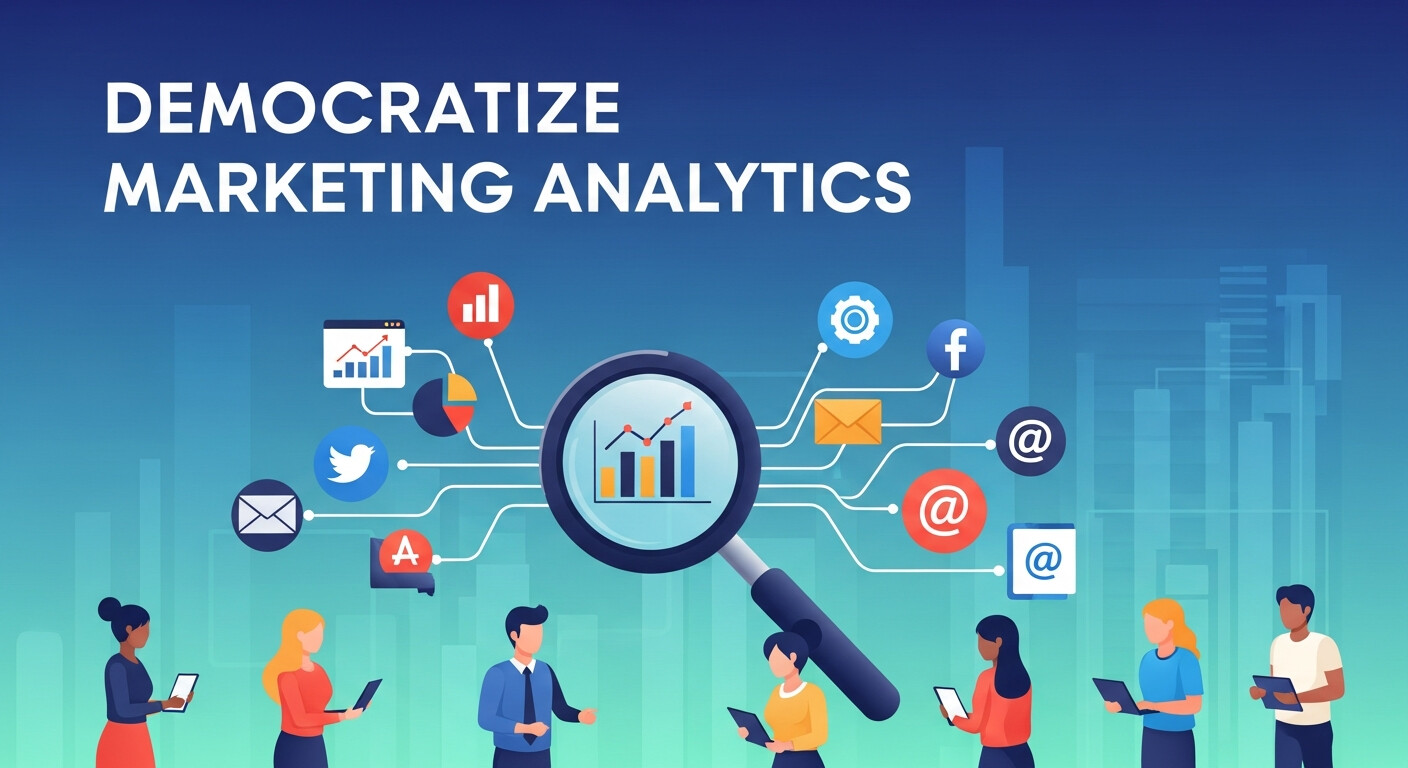
Even the most skilled marketer requires tools to digest the extensive data that modern analysis comprises. They are used to structure and illustrate your thoughts, making them more useful to you for further campaigns.
Google Analytics
A widely used analytics tool essential for website traffic insights.
Key Features:
-
Real-time reporting
-
Traffic segmentation
-
Audience demographics
Mixpanel
Excellent for user behavior tracking on websites and apps.
Key Features:
-
Cohort analysis
-
Funnel tracking
-
Real-time alerts
HubSpot
Combines CRM with marketing analytics to streamline data analysis.
Key Features:
-
Campaign reporting
-
Multi-channel insights
-
Demand forecasting
Tableau
A data visualization tool to build custom dashboards from complex datasets.
Key Features:
-
Drag-and-drop analytics
-
Filtered sources
-
Multi-format data support
Advancing With Attribution and Cohort Analysis
To really get your head around marketing analytics, you’ll have to go beyond fundamentals and study some of the advanced techniques.
Attribution Modeling
Determines which touchpoints (ads, emails, etc.) contributed to a conversion.
Models:
-
Last-click Attribution: Credit goes to the final interaction.
-
Linear Attribution: Equal credit to all touchpoints.
-
AI Attribution: Machine learning decides based on pattern analysis.
Cohort Analysis
Group users by shared traits or behaviors (e.g., signup month or product use).
Benefits: Reveals trends in loyalty, churn, and engagement that are missed in aggregate data.
Examples of Successful Use of Marketing Analytics
Spotify
Uses cohort behavior to drive personalized playlist recommendations, boosting engagement and retention.
Airbnb
Applies attribution modeling to analyze cross-channel campaigns and scale paid strategies effectively.
Patagonia
Uses LTV analytics to power targeted sustainability-focused campaigns to the right customer segment.
Understanding Customer Behavior Through Analytics
Modern marketing analytics enables businesses to understand customer behavior in unprecedented ways. By analyzing purchase patterns, engagement levels, and demographic data, companies can tailor campaigns to specific segments. Tools like Google Analytics 4 help track interactions across websites, apps, and social media, giving a holistic view of customer journeys. Leveraging these insights allows businesses to predict future behaviors, optimize marketing spend, and improve engagement metrics. From identifying high-value customers to understanding churn risks, the ability to translate data into actionable strategies ensures campaigns are not only efficient but also resonate with the right audience. This approach also contributes to better decision-making and higher ROI.
Enhancing Campaign Performance
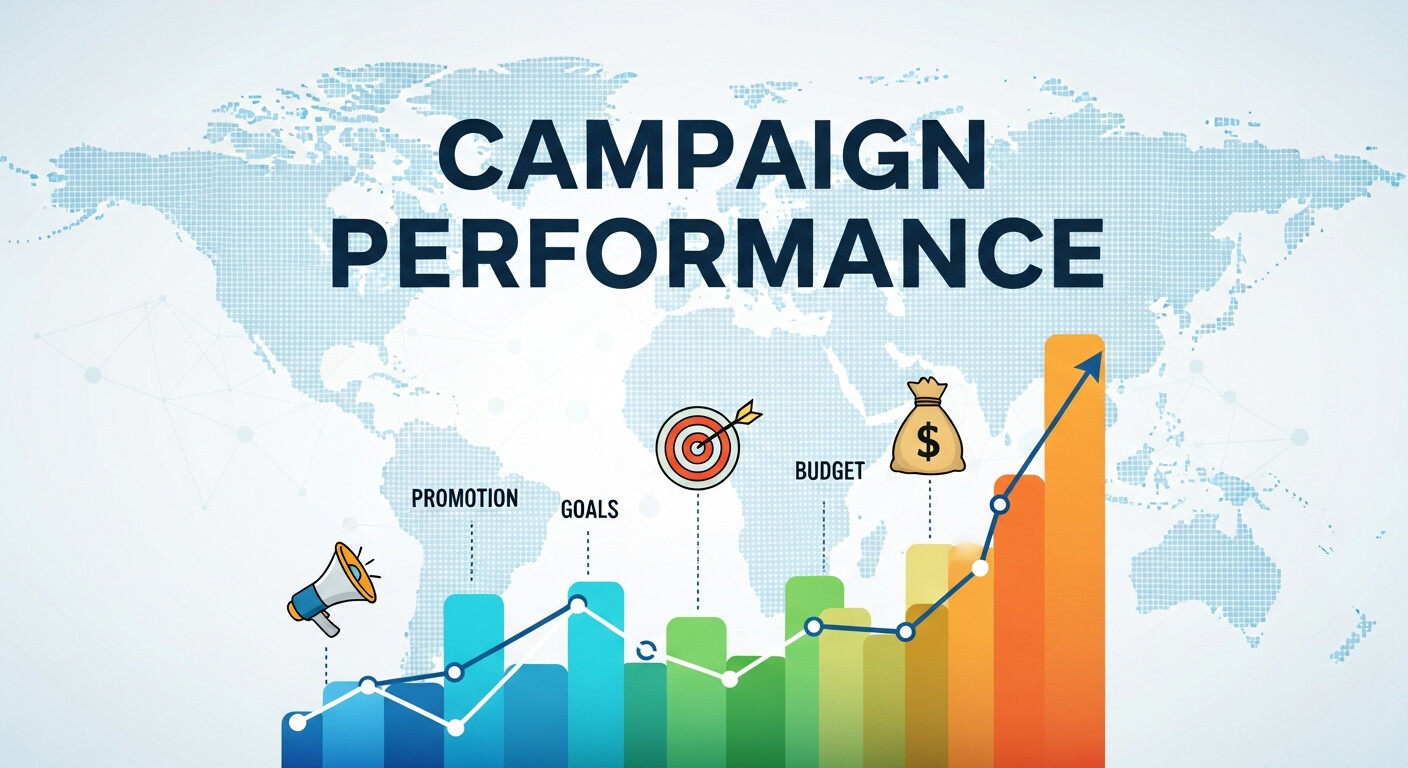
Optimizing campaign performance requires more than intuition—it relies on data-driven insights. By continuously monitoring KPIs such as conversion rates, cost per acquisition, and ROI, marketers can pinpoint what works and adjust what doesn’t. Advanced techniques like cohort analysis and attribution modeling reveal the effectiveness of individual campaigns and channels. Integration with tools such as HubSpot or Tableau allows for real-time reporting and visual dashboards. With these insights, companies can fine-tune messaging, improve targeting, and reduce wasted ad spend. Regular performance reviews ensure campaigns evolve with consumer behavior and market trends, helping organizations stay agile and maximize the impact of every marketing effort.
Predictive Analytics for Strategic Growth

Predictive analytics leverages historical data to forecast future outcomes and trends. By applying machine learning models, businesses can anticipate customer needs, identify potential market opportunities, and optimize campaign timing. In healthcare analytics markets, for example, predictive insights help target patient engagement and optimize services efficiently. Marketers benefit from understanding the likelihood of customer churn, lifetime value, and purchase patterns. By integrating these predictions into strategy, organizations can proactively allocate resources, enhance personalization, and achieve sustainable growth. Predictive analytics transforms data from a passive resource into a proactive tool, ensuring marketing decisions are informed, forward-looking, and capable of adapting to dynamic market conditions.
Personalization at Scale
Data-driven personalization allows brands to deliver unique experiences to each customer segment. By analyzing behavioral data, demographic trends, and engagement history, companies can craft tailored content, offers, and product recommendations. Platforms like Google Analytics 4 and advanced CRM systems provide the necessary insights to automate and scale personalization efficiently. Personalized marketing boosts engagement, conversion rates, and customer loyalty while reducing irrelevant communication. For instance, segmentation based on purchase frequency or browsing patterns enables precise targeting. Personalization at scale is no longer a luxury—it is a necessity for brands aiming to maintain competitive advantage, improve ROI, and build lasting relationships in a data-saturated marketplace.
Leveraging Data for Ethical Marketing Decisions
Incorporating ethical marketing analytics ensures companies respect customer privacy and maintain trust while making informed business decisions. Adhering to regulations like GDPR and using transparent data collection methods helps organizations avoid reputational risks and legal complications. Ethical data use involves anonymization, secure storage, and responsible targeting practices. By combining data insights with ethical guidelines, marketers can create campaigns that are both effective and socially responsible. This approach strengthens customer relationships and encourages long-term loyalty. Ethical practices also reinforce brand credibility, giving companies a competitive advantage in increasingly privacy-conscious markets, while still benefiting from actionable analytics to drive meaningful business outcomes.
Real-Time Insights for Agile Marketing
Real-time analytics enables companies to respond immediately to customer behavior and market shifts. By monitoring live metrics such as website traffic, ad engagement, and social media interactions, marketers can identify opportunities and mitigate risks promptly. Tools like Google Analytics 4 and Mixpanel offer dashboards that display actionable insights instantly. This agility allows campaigns to be optimized on-the-fly, improving conversion rates and reducing wasted spend. Real-time data also enhances decision-making in multi-channel strategies, ensuring that messaging is relevant and timely. Organizations leveraging real-time insights gain a strategic edge, enabling them to adapt faster than competitors and maintain strong engagement with their audience.
Data-Driven ROI Optimization
Optimizing ROI requires a detailed understanding of both marketing spend and the revenue generated from campaigns. By analyzing metrics like CAC, LTV, and conversion rates, companies can identify which channels and strategies yield the highest returns. Advanced analytics tools allow marketers to simulate scenarios, forecast outcomes, and make informed budget allocations. Continuous monitoring and refinement ensure campaigns remain cost-effective while maximizing revenue. Data-driven ROI optimization reduces guesswork, minimizes wasted spend, and helps justify marketing budgets to stakeholders. It also allows businesses to strategically invest in high-performing campaigns, driving sustainable growth while maintaining accountability across marketing initiatives.
Advanced Attribution Modeling
Attribution modeling helps marketers understand how different touchpoints contribute to conversions. Beyond simple last-click models, linear, time-decay, and AI-powered approaches provide deeper insights into customer journeys. Understanding which channels drive engagement and revenue enables better allocation of marketing budgets. Advanced modeling helps identify underperforming tactics and optimize campaigns for maximum effectiveness. When combined with cohort analysis and predictive metrics, attribution modeling ensures that marketing strategies are evidence-based and precise. Companies that invest in these analytics techniques can improve campaign efficiency, enhance personalization, and increase overall ROI by understanding the complete picture of how customers interact with their brand across channels.
The Trends You Need to Pay Attention to in the Future
Marketing analytics is a dynamic field. To stay ahead of the pack, be on the lookout for these emerging trends:
-
AI and Machine Learning: Enabling better personalization and faster predictive modeling.
-
Real-time Data Insights: Helping businesses respond immediately to customer behavior.
-
Privacy-centered Analytics: Increasing focus on ethical data use and compliance with regulations like GDPR.
How to Become a Marketing Analytics Guru
How marketing analysis can enhance the use of marketing tactics. Marketing analysis is one of the golden opportunities of business to make proactive revisions and boost its marketing efforts to heights it has never been to before.
In doing so, these organizations can turn to high-potential tools like Google Analytics or Tableau or high-demand techniques like attribution modeling, and will create more impactful metrics such as ROI and CAC to guide their campaigns.
There’s never been a better time to get your marketing analytics game in top shape to beat the competition and unleash new growth. Curious where to begin? Ease into that by using the core tools and approaches presented here, then expand bit by bit.
As marketing becomes increasingly data-driven, mastering marketing analytics is essential for turning information into strategic business success.
Future-Proof Your Marketing Strategy
Marketing analytics is evolving rapidly, with AI, machine learning, and privacy-centered tools shaping its future. Businesses must adopt scalable systems, continuously train teams, and implement flexible strategies to stay competitive. Incorporating real-time insights, predictive analytics, and ethical practices ensures campaigns are resilient to market changes. By future-proofing strategies, organizations can maintain relevance, improve customer experiences, and sustain long-term growth. Staying informed about trends in healthcare analytics markets, consumer privacy regulations, and emerging digital tools allows companies to adapt proactively. Investing in a robust analytics infrastructure prepares brands to leverage new opportunities, optimize marketing spend, and maintain a competitive edge in an increasingly data-driven landscape.
Frequently Asked Questions (FAQ)
What is marketing analytics?
Marketing analytics is the practice of collecting, measuring, and interpreting data from marketing campaigns and customer interactions. It helps businesses evaluate the effectiveness of their campaigns, optimize spend, and make data-driven decisions to improve ROI, customer engagement, and long-term growth.
Why is marketing analytics important for businesses?
Marketing analytics enables companies to understand what works and what doesn’t in their campaigns. By analyzing metrics like ROI, CAC, and LTV, businesses can reduce wasteful spending, target the right audience, predict trends, and plan strategies that maximize conversions and revenue.
What are the key metrics in marketing analytics?
Core metrics include Return on Investment (ROI), Customer Acquisition Cost (CAC), Lifetime Value (LTV), and conversion rates. Tracking these helps measure campaign effectiveness, optimize marketing spend, and guide decisions on targeting, messaging, and engagement strategies.
Which tools are best for marketing analytics?
Popular tools include Google Analytics for website insights, Mixpanel for user behavior tracking, HubSpot for CRM and multi-channel campaign analysis, and Tableau for advanced data visualization and dashboards. Each tool helps turn raw data into actionable insights.
What is attribution modeling in marketing analytics?
Attribution modeling assigns credit to different touchpoints (ads, emails, clicks) that lead to a conversion. Common models include last-click attribution, linear attribution, and AI-powered attribution, which uses machine learning to identify patterns across campaigns.
How does cohort analysis help marketers?
Cohort analysis groups users based on shared characteristics, such as signup date or product usage. This reveals patterns in engagement, loyalty, and churn that aggregate data can miss, allowing marketers to refine campaigns, improve retention, and target audiences more effectively.
Can small businesses benefit from marketing analytics?
Absolutely. Even small businesses can leverage marketing analytics to optimize limited budgets, track campaign performance, understand customer behavior, and make data-driven decisions that improve ROI and growth potential.
What trends are shaping the future of marketing analytics?
Emerging trends include AI and machine learning for predictive modeling, real-time insights for faster decision-making, and privacy-centered analytics to ensure ethical data use and compliance with regulations like GDPR.
 Rosemary Barker