

The retail landscape is undergoing a seismic shift, and AI Marketing Analytics is the engine driving this transformation, turning massive datasets into precise, actionable growth strategies.
This guide explores how AI Marketing Analytics empowers retailers to move from reactive reporting to proactive prediction. We cover essential tools, data strategies, and real-world applications—including Customer Journey Analytics and Predictive Trend Marketing—to help you build a resilient, high-performance retail brand.
AI Marketing Analytics Explained
AI Marketing Analytics combines artificial intelligence, machine learning, and big data to transform raw marketing information into actionable insights. It helps businesses understand customer behavior, predict future trends, and automate decision-making across channels like email, social media, and search. By analyzing massive datasets in real time, AI identifies patterns humans might miss—such as purchase intent or churn risk. For retailers, this means smarter targeting, personalized experiences, optimized campaigns, and stronger ROI. Instead of reacting to past performance, brands can proactively shape strategies based on predictive intelligence and customer journey data.In the current commercial era, data is often compared to oil, but AI Marketing Analytics is the refinery that turns raw information into high-octane fuel for growth.
What is AI Marketing Analytics?
At its core, AI Marketing Analytics refers to advanced cloud-based software and machine learning algorithms designed to interpret complex datasets for strategic decision-making. Unlike traditional Digital Marketing Analytics, which provides a “rear-view mirror” look at past performance, AI acts as a “windshield,” offering a clear view of future possibilities.
Standard Marketing Analytics Data might tell a retailer that they sold 1,000 units of a specific product last month. However, AI Marketing Analytics goes deeper, explaining why those units sold—perhaps due to a micro-trend on social media or a local weather shift—and predicting exactly how many units will be needed next season. This transition from descriptive to predictive is the cornerstone of modern retail.
Key Benefits for the Retail Sector
Integrating AI into your Brand Marketing Strategy is no longer a luxury; it is a fundamental requirement for maintaining a competitive edge.
1. Customized Consumer Experiences
Retailers are now utilizing Customer Journey Analytics to create “segments of one.” By analyzing browsing habits, past purchases, and even sentiment in customer service chats, AI enables Consumer Brand Marketing that feels personal. This is especially critical in Luxury Brand Marketing, where high-touch, tailored interactions are expected.
2. Enhanced Operational Efficiency
Automation through Marketing Analytics Tools allows teams to offload manual data management. Whether it is Email marketing analytics or Mobile App Marketing Analytics, AI handles the repetitive “busy work,” freeing up human experts to focus on Creative Content Services and high-level Brand Strategy.
3. Improved ROI and Revenue Growth
By identifying high-value customers through Brand Equity KPIs, AI ensures that marketing budgets are spent where they will have the most impact. Tools used for Measuring SEO Success and Advanced Web Analytics ensure that every dollar in the Integrated Marketing budget is performing optimally.
4. Real-Time Insights and Agility
In a world of Real Time Trend Marketing, waiting for a weekly report is too slow. AI provides live data streams, allowing for immediate adjustments in Social Media Management or Media Buying Services to capitalize on emerging opportunities.
The Strategic Role of AI in Brand Positioning
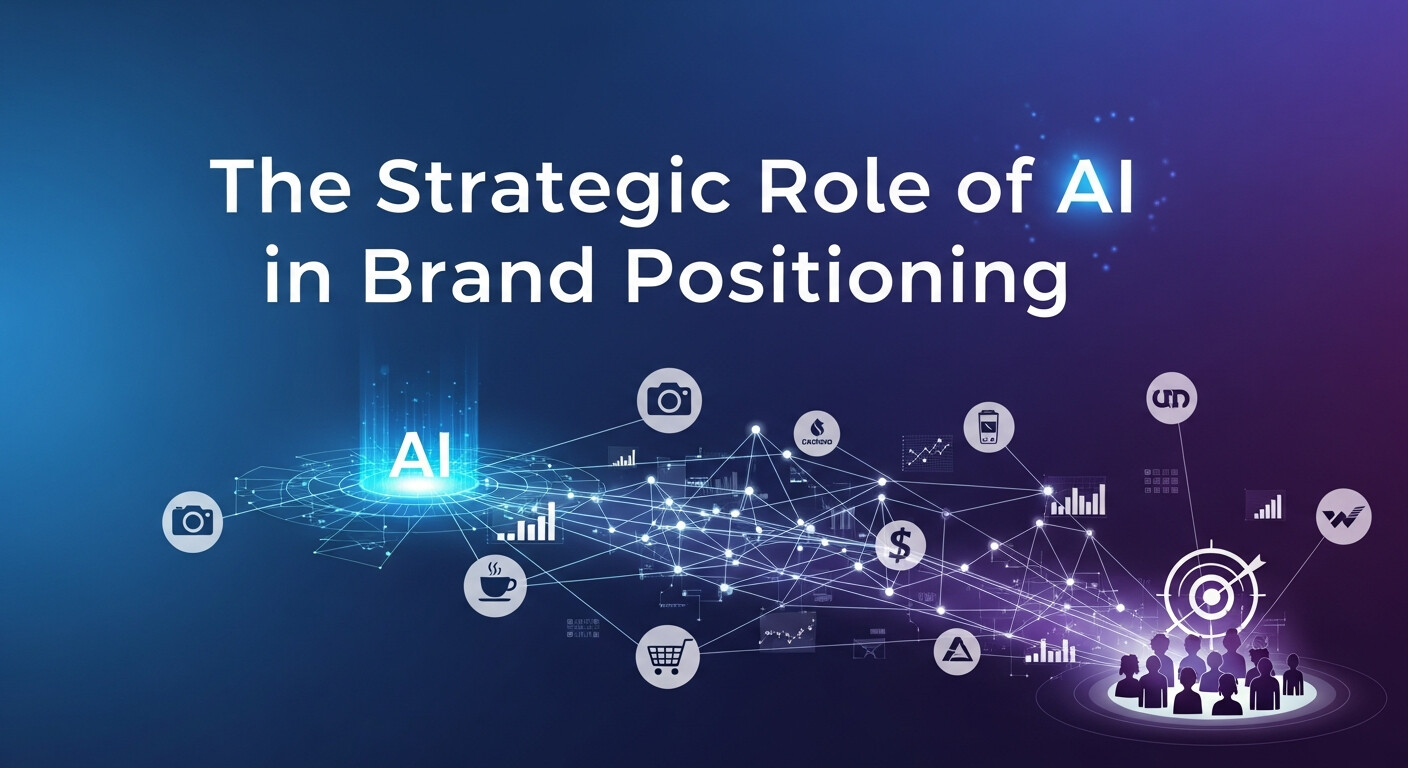
A successful Brand Strategy Road Map relies on understanding how your brand is perceived in a crowded market.
Brand Awareness and Perception
AI helps refine your Brand Positioning Strategy by performing constant Competitive Brand Analysis. By monitoring Brand Awareness levels and Brand Perception In Marketing, retailers can adjust their Brand Voice in real-time to resonate better with their target audience.
Psychology and Virality
Why does certain content go viral while others fail? Viral Marketing Psychology suggests that emotional triggers are key. AI can identify these triggers early, helping brands build a Viral Marketing Funnel. Whether it is Viral Marketing on Tiktok or Next Gen Trend Marketing Strategies, AI predicts which “Micro Trends” are worth pursuing.
Building Your AI Data Foundation
The promise of AI Marketing Analytics is significant, but execution requires a solid Trend Marketing AI Data Strategy.
Centralizing and Cleaning Data
AI is only as effective as the data it consumes. To leverage it successfully:
- Centralize Your Data: Combine information from SMS Marketing, Outbound Email Marketing, and in-store transactions into a single source of truth.
- Ensure Clean Data: Redundancies and errors can lead to “hallucinations” in AI models. Clean data is vital for accurate Predictive Trend Marketing.
Choosing the Right Tools
When selecting a platform, prioritize scalability and ease of integration with your existing SaaS Development Services and Payment Gateway Solutions.
| Tool Category | Core Function | Best For |
| Predictive Analytics | Demand Forecasting | CPG Brand Marketing |
| Sentiment Analysis | Brand Voice Monitoring | Brand Crisis Management |
| SEO Tools | Search Intent Analysis | Measuring SEO Success |
| Video Analytics | Engagement Mapping | Mastering Video Analytics |
Advanced Retail Tactics: Video, Voice, and Beyond
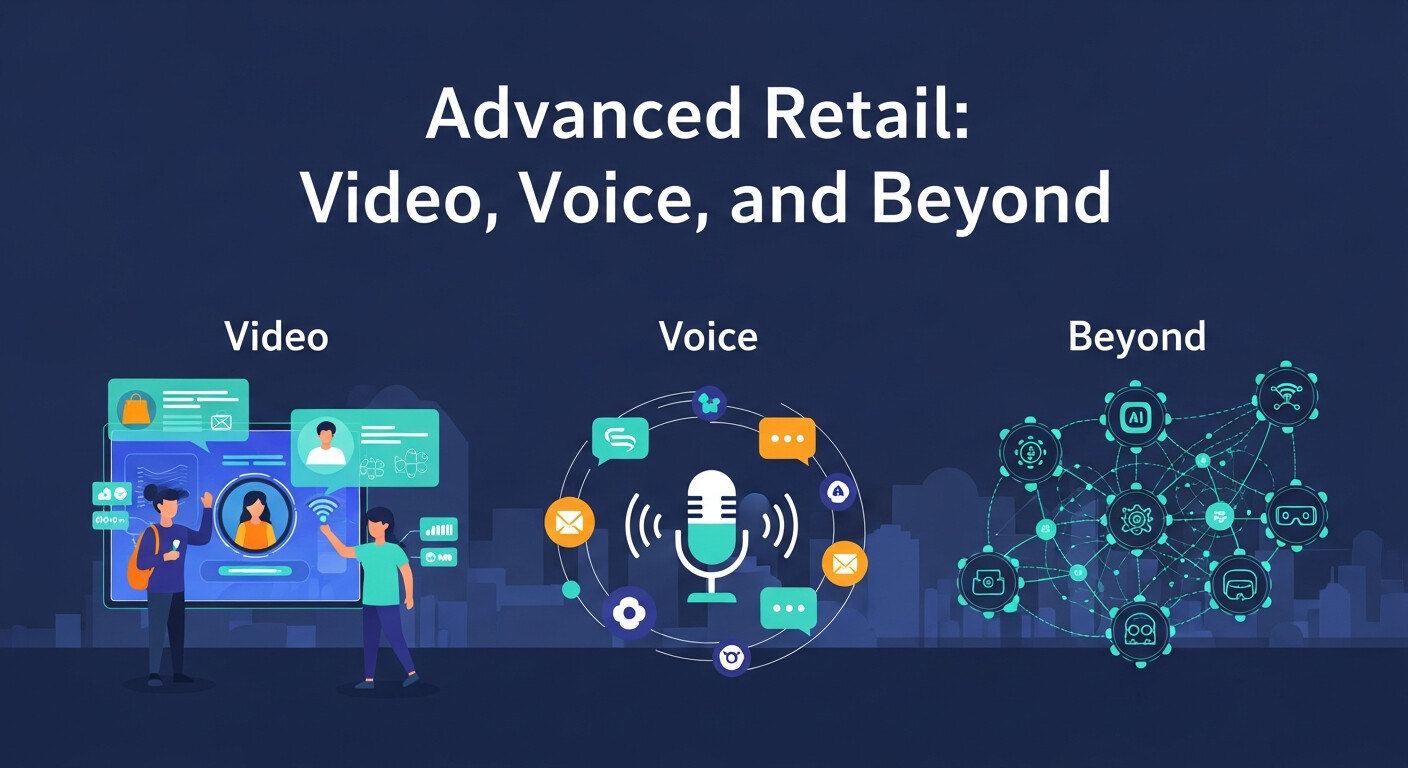
Mastering Video Analytics
As video dominates digital channels, Mastering Video Analytics has become a priority. Video SEO and tracking Video Analytics Market Trends show that short-form content drives the highest engagement. AI helps in Partnership Marketing with Video Analytics, ensuring that influencer collaborations align with your Brand Personality.
Ethical Branding and Privacy
With the rise of data-driven marketing, Ethical Branding is paramount. Compliance with regulations like GDPR is non-negotiable. Unauthorized data use can lead to a Brand Crisis, requiring extensive Crisis Management Services to restore trust.
AI-Driven Inventory and Supply Chain Optimization
While AI Marketing Analytics often focuses on the “front end” of retail, its impact on the “back end”—specifically inventory and logistics—is what ensures a brand can actually deliver on its promises.
Predictive Stocking and Demand Forecasting
One of the most significant Marketing Analytics Hacks is linking marketing spend directly to inventory levels. AI models analyze historical sales, seasonal patterns, and external variables like local weather or geopolitical events to forecast demand with up to 90% accuracy.
- Automated Replenishment: AI tracks stock levels in real-time, triggering orders before a stockout occurs.
- SKU Optimization: By identifying “dead stock” versus “hero products,” AI helps in CPG Brand Marketing to refine the product mix, reducing carrying costs by 20–50%.
Logistics and Fulfillment Agility
In the era of “need-it-now” commerce, AI Marketing Analytics informs logistics. Algorithms determine the most efficient delivery routes and select the best fulfillment node (e.g., shipping from a local store vs. a regional warehouse) to reduce shipping costs and delivery times. This level of Brand Resilience Strategy ensures that disruptions don’t lead to a Brand Crisis.
The Omnichannel Revolution: Unifying the Experience
Modern retail is no longer about “online vs. offline.” It is about a single, fluid experience. AI Marketing Analytics acts as the glue for an Omnichannel Retail Strategy.
Seamless Channel Integration
A customer might see an ad on Instagram (part of your Influencer Marketing Services), browse the mobile app, and finally buy in-store. AI tracks this entire Customer Journey Mapping, ensuring that the messaging remains consistent.
- Real-Time Store Inventory: Letting online shoppers see what is available at their nearest physical location.
- Geo-Fencing and Mobile Alerts: Using Mobile App Marketing Analytics to send a personalized discount code via SMS Marketing the moment a customer walks within a block of your store.
The Rise of Agentic AI
We are moving toward “Agentic” systems—AI agents that don’t just show data but act on it. An AI agent might notice a high abandonment rate on a specific landing page and automatically initiate a Web Design & Development tweak or launch a Creative Webinar Idea to address common customer questions.
Empowering the Human Element: AI and the Retail Workforce
A common misconception is that AI replaces people. In reality, AI Marketing Analytics is a tool for empowerment, shifting the Digital Marketing Expert Role from data entry to strategic oversight.
Enhancing the Employee Experience
By automating repetitive tasks like reporting and basic Review Management Services, AI frees up staff to focus on high-value interactions.
- Augmented Service: In-store associates can use AI-powered tablets to see a customer’s “Style Profile,” enabling Luxury Brand Marketing levels of service even in mass-market retail.
- Upskilling and Motivation: Integrating AI tools into training programs helps employees develop a Marketing Analytics Certificate level of expertise, improving job satisfaction and productivity.
Keeping “Humans in the Loop”
While AI provides the data, the final touch—the “Empathy Factor”—remains human. Whether it’s Emotional Marketing or handling a sensitive Brand Crisis Management situation, the most successful brands use AI to inform, but humans to lead.
Building Your AI Data Foundation
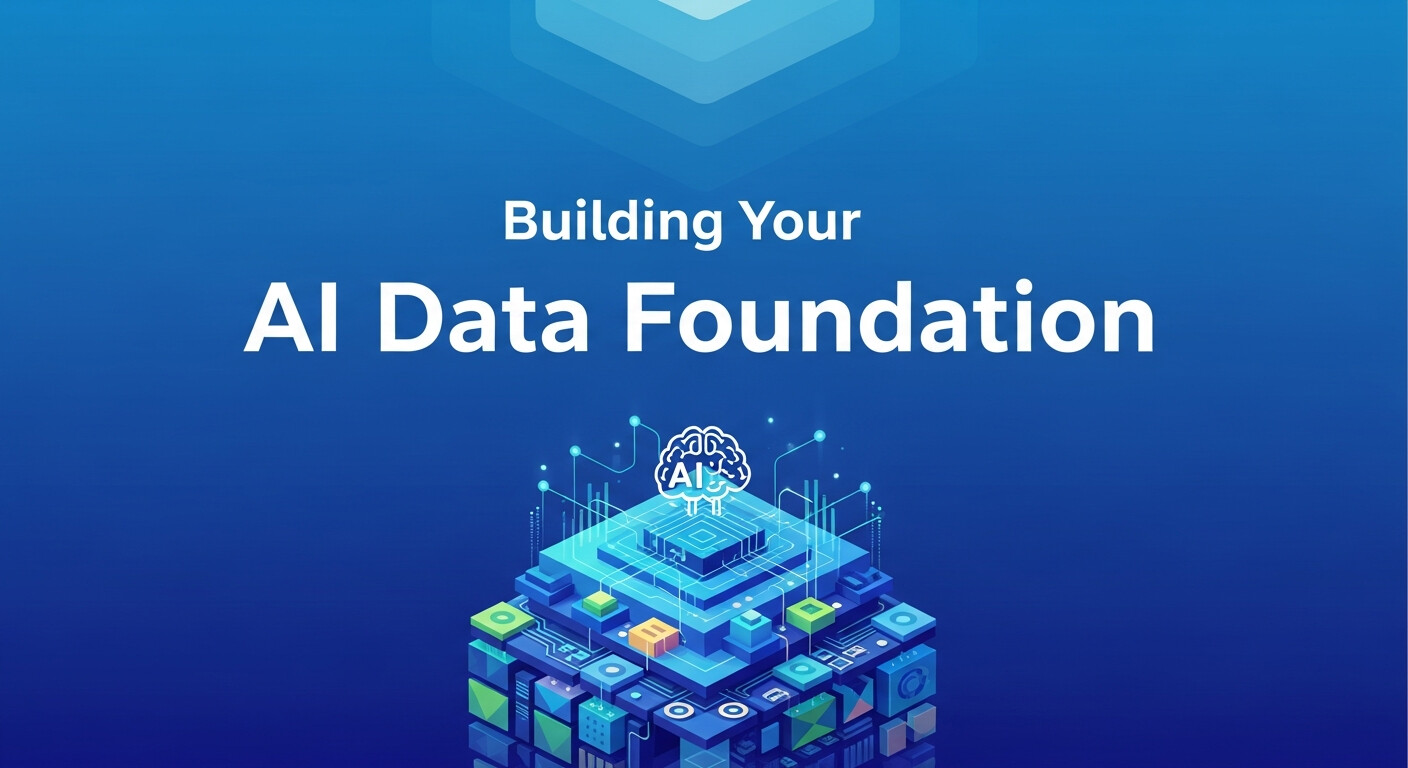
The promise of AI Marketing Analytics is significant, but execution requires a solid Trend Marketing AI Data Strategy.
Centralizing and Cleaning Data
AI is only as effective as the data it consumes. To leverage it successfully:
- Centralize Your Data: Combine information from SMS Marketing, Outbound Email Marketing, and in-store transactions into a single source of truth.
- Ensure Clean Data: Redundancies and errors can lead to “hallucinations” in AI models. Clean data is vital for accurate Predictive Trend Marketing.
Choosing the Right Tools
When selecting a platform, prioritize scalability and ease of integration with your existing SaaS Development Services and Payment Gateway Solutions.
| Tool Category | Core Function | Best For |
| Predictive Analytics | Demand Forecasting | CPG Brand Marketing |
| Sentiment Analysis | Brand Voice Monitoring | Brand Crisis Management |
| SEO Tools | Search Intent Analysis | Measuring SEO Success |
| Video Analytics | Engagement Mapping | Mastering Video Analytics |
Conclusion
The adoption of AI Marketing Analytics is no longer a choice but a necessity for retailers aiming for longevity. By focusing on data quality, utilizing Customer Journey Mapping, and embracing Predictive Trend Marketing, brands can achieve a superior ROI and a deeper connection with their customers. The future of retail is intelligent, agile, and personal—ensure your company is ready to lead the way.
Frequently Asked Questions
1. What is AI Marketing Analytics exactly?
AI Marketing Analytics uses machine learning and cloud platforms to analyze marketing data, predict customer behavior, and automate decisions. It turns raw data into actionable insights, helping retailers optimize campaigns, personalize experiences, and forecast trends for smarter, faster growth.
2. How does AI help with Brand Awareness?
AI tracks social mentions, reviews, and search trends to measure brand visibility and sentiment. These insights help marketers refine brand strategy, respond to audience feedback, and improve public perception by targeting the right messages to the right channels.
3. Can AI improve my Email Marketing?
Yes. AI-powered email analytics identifies optimal send times, personalizes subject lines, and tailors content for each recipient. This increases open rates, click-throughs, and conversions while reducing unsubscribe rates through smarter audience segmentation and automation.
4. What are LSI keywords and why do they matter for retail?
LSI keywords are semantically related terms like Digital Marketing Analytics or Brand Equity. They help search engines understand content context, improve rankings, and attract qualified traffic—making your retail content more discoverable and authoritative.
5. How does AI assist in Customer Journey Mapping?
AI analyzes every customer touchpoint—from ads to checkout—to build detailed journey maps. It reveals drop-off points, predicts intent, and suggests optimizations, helping retailers deliver smoother experiences and increase conversions across all digital channels.
6. What is Predictive Trend Marketing?
Predictive Trend Marketing uses AI to forecast emerging consumer interests by analyzing social signals and search data. Retailers can identify viral products early, plan inventory smarter, and launch campaigns ahead of competitors for maximum market impact.
7. Is AI useful for small retail businesses?
Absolutely. Many marketing analytics tools are affordable and scalable, enabling small retailers to access personalization, forecasting, and brand insights without enterprise budgets—helping them compete effectively, improve ROI, and grow faster.
8. How does AI handle Brand Crisis Management?
AI continuously monitors online sentiment and brand mentions. When negative trends appear, it alerts teams instantly, allowing rapid response. This proactive approach protects brand reputation and helps resolve issues before they escalate publicly.
9. What is the role of Video Analytics in retail?
Video analytics tracks viewer behavior, engagement, and drop-off points. Retailers use this data to optimize Video SEO, improve content strategy, and ensure influencer campaigns generate measurable ROI across platforms.
10. How do I start an AI marketing strategy?
Start by centralizing your data and selecting a scalable AI tool. Focus on quick wins like automated SMS or SEO insights, then gradually expand into predictive analytics and advanced personalization for long-term retail growth.
 Rosemary Barker