
Marketing is no longer dependent on pure intuition. Loyalty data, campaign performance, and return on investment (ROI) are essential metrics to measure success in a data-driven world. The cornerstone of all successful marketing is marketing analytics, the discipline that gives companies the insight they need to make informed, data-backed decisions.
In this blog, I will help you to understand the basics of marketing analytics, the pros, the key metrics, the tools we can use, strategies to put in place, and much more. By the time you finish reading them, you will know definitively why marketing analytics is the very definition of business-critical in the modern business and how to make the most of it.
Marketing Analytics Fundamentals (Part 1): The Basics
Marketing analytics is the practice of measuring, managing, and analyzing marketing performance to maximize its effectiveness and optimize return on investment (ROI). It includes using qualitative and quantitative measures to monitor and assess the effectiveness of a company’s marketing endeavors.
Unlike conventional means that often depend heavily on guesswork, marketing analytics brings clarity to what works and what falls flat. Through combining data from email, social media, content marketing, paid ads, and more, brands are able to find patterns, behaviors, and opportunities that inform and optimize their campaigns.
In other words, Marketing analytics is about turning data into usable insights.
Why Marketing Analytics Is Important and Its Benefits
More than just tracking campaign metrics, marketing analytics gives businesses clarity and helps them stay competitive. Here’s why it matters:
Data-Driven Decision-Making
Analytics does away with assumptions. Businesses have the potential to back up their decisions with meaningful numbers by gathering verifiable data about customer behavior, ad effectiveness, and engagement rates.
Better Customer Insights
Analytics can help you understand who your customers are, what they want, and how to reach them in ways that resonate. Understanding these trends helps you to group audiences, tailor campaigns, and build better connections.
Optimize Campaign Performance
Is your investment of marketing dollars worth it? Marketing analytics can identify where you need to ramp up and where you need to pull back so you can maximize your return on investment (ROI).
Forecasting and Planning
Predictive Marketing Analytics can forecast the future by enabling companies to anticipate market changes and redefine strategies for continued success.
Fun Fact: Companies that use data to drive decision-making are reportedly 6x more likely to be profitable YOY.
Key Salesforce Metrics to Focus On in Marketing Analytics
As a marketer, everybody is looking to get the most bang for their buck, and how you measure that means everything.
So, to cut through the clutter around marketing analytics, you need to know the correct key performance indicators (KPIs). Here are some of the most popular KPIs:
Cost of Acquiring a Customer (CAC)
This is what it costs to get a new customer. CAC is a metric that helps marketers figure out whether their spending is sustainable.
Formula:
CAC = Total Marketing Cost / Number of New Customers gained
ROMI (Return on Marketing Investment)
ROMI is a profitability metric that assesses the returns and looks at how much money is being brought in for every dollar spent on marketing.
Formula:
ROMI = (Revenue Attributed to Marketing – Marketing Spend) / Marketing Spend
Website Traffic Metrics
Knowing the metrics, such as overall traffic, traffic sources, and bounce rates, shows exactly how well marketing efforts are doing in reaching audiences.
Lead Conversion Rate
Demonstrates how effectively your campaigns convert leads to paying customers. When you have high conversion rates, you have successful marketing.
Customer Lifetime Value (CLV)
This is an indication of how much you can expect to earn from a customer throughout their lifetime with your brand.
Ensure you pay attention to these KPIs to shift your short-term focus closer to your end game.
Tools and Technologies for Marketing Analytics: A Comprehensive Guide
Actionable insights don’t come easily unless you have the right tools. Here are a few key platforms to consider in your approach:
-
Google Analytics
One of the most common tools and for good reason, it’s used to identify website performance, user activity, and where they are coming from. It’s particularly potent for small-to-midsize businesses. -
HubSpot
HubSpot’s marketing platform allows for easy by-the-numbers tracking of lead generation, email campaigns, and CRM integration. -
Tableau
Solutions like Tableau are also empowering organizations to easily make sense of complex datasets using their advanced data visualization and reporting capabilities. -
Adobe Analytics
An advanced targeted marketing platform for engagement across touchpoints. -
SEMrush
Great for SEO and paid advertising analytics, SEMrush can be useful for analyzing keyword performance and competitive positioning.
The tools that you end up choosing will ultimately depend on the size of the business, the budget, and the goals you have for your analytics.
Doing Marketing Analytics – A Step-by-Step Plan
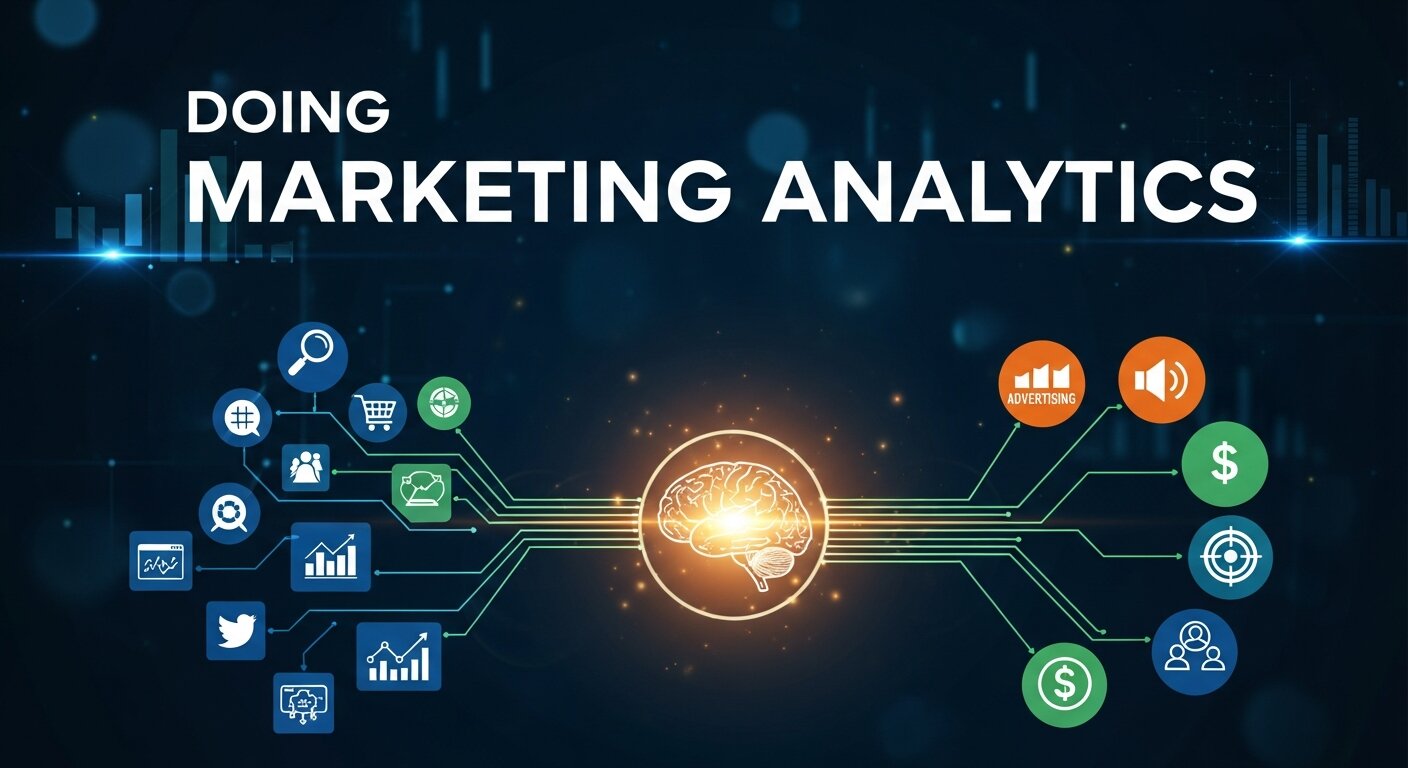
It might not be the easiest decision to make, but integrating analytics into your marketing strategy can be critical for your company’s development.
Step 1. Define Your Goals
Begin by identifying your primary marketing goals. For example: Are you trying to lower your CAC or improve your CLV?
Step 2. Collect Data
Combine data from all marketing sources. Make sure that this information is clean, accurate, and available.
Step 3. Select the Right Tools
Select analytics tools that suit you (look at the tools section above).
Step 4. Analyze Performance
Benchmark your KPIs. Especially focus on what’s working and what’s not.
Step 5. Optimize Strategy
Adapt, adjust, or tweak your campaigns, content, or resources based on the insights you glean. This is an iterative process.
Rinse and repeat often to stay competitive in a changing market environment.
Problems with Marketing Analysis: Moving Past the Challenges
The use of marketing analytics, however valuable, does not come without its challenges:
Data Overload
With the vastness of the information, it can be daunting to figure out which patterns make sense. Only look at those KPIs that are relevant and filter out the noise.
Cross-Channel Attribution
Following all of a customer’s interactions across multiple platforms is tricky. The gap can be bridged using analytics software to assist with the learning curve, such as HubSpot.
Lack of Expertise
Certain teams just don’t have the literacy for it to make their decision-making better. Support can be hired to overcome this problem, such as training or outside experts.
This can be an uphill battle and may take strong leadership as well as continued investment in analytical capabilities.
Trends and Predictions of the Future of Marketing Analytics
Marketing Analytics is changing, with numerous advances up ahead:
-
We believe that predictive analytics will be redefined by AI and Machine Learning, enabling enterprises to predict market trends with more accuracy.
-
Data Dashboards will start becoming real-time time and it will become easier to make real-time decisions.
-
We will see the emergence of Privacy-First Analytics as crackdown regulations, such as GDPR, dictate more rigorous security standards.
These trends tell us that marketing analytics is going to become even more disruptive… It will solidify its place as a basic requirement for companies nowadays.
Get the Most Out of Your Marketing Investment With Real Analytics
Marketing analytics is not a “nice-to-have” but a “need-to-have!”. It enables businesses to know their customer better, iterate strategies, and increase their ROI. No matter the size of your business or the strength of your team, having analytics as part of your marketing ecosystem is what will keep you ahead of the game.
Ready to revolutionize your marketing? The more you learn about your business, the more you can grow it.
Enhancing Campaign Precision
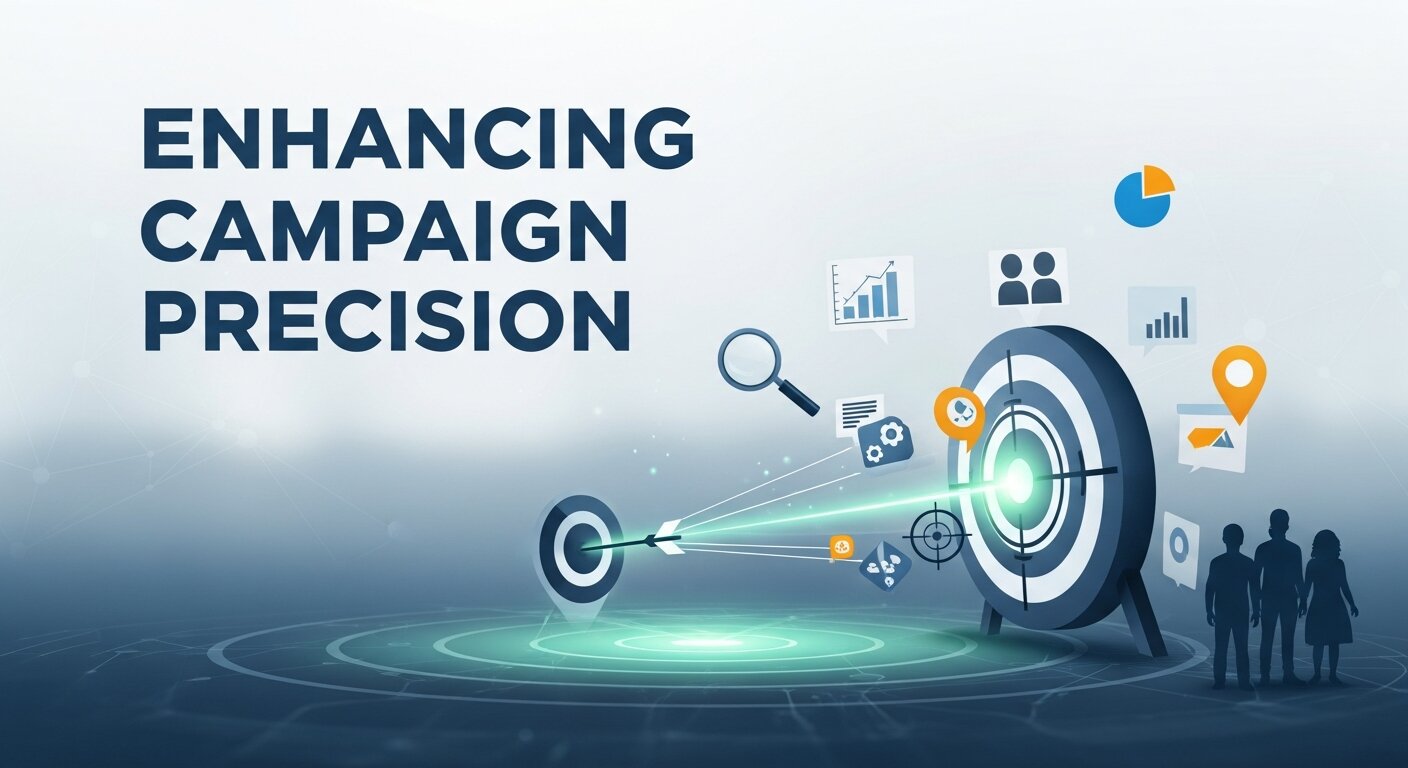
Marketing teams increasingly rely on advanced data to refine their campaigns. By analyzing customer behavior, purchase history, and engagement patterns, marketers can anticipate needs and deliver more relevant messaging. Integrating predictive models with prescriptive analytics in marketing allows brands to not just forecast trends but also receive actionable recommendations on next steps. This reduces wasted ad spend and boosts conversion rates. With a structured approach, campaigns can be continuously tested and optimized, ensuring that every interaction adds value for the customer. The result is a higher ROI, improved brand loyalty, and campaigns that adapt dynamically to changing consumer preferences.
Leveraging Real-Time Insights

Data-driven marketing is no longer reactive; it is increasingly proactive. Real-time monitoring of customer interactions across multiple platforms enables immediate adjustments to campaigns, content, and offers. Marketers can identify which messages resonate most and which channels drive engagement. Using advanced analytics features, teams can automate alerts and trigger personalized communications, ensuring timely and relevant responses. This capability allows businesses to respond to market fluctuations, optimize spend, and deliver consistently positive experiences. By acting on insights as they happen, companies maintain a competitive edge while reducing risks associated with outdated strategies or assumptions that don’t reflect actual consumer behavior.
Segmenting Audiences for Maximum Impact
Effective marketing depends on targeting the right audience with the right message. Data segmentation based on demographics, behavior, and engagement patterns helps brands tailor campaigns for each segment. Advanced analytical models can identify hidden correlations, enabling marketers to predict which offers are likely to convert specific groups. The integration of predictive tools and healthcare analytics market insights, for example, allows health-related businesses to understand patient behaviors and target outreach effectively. This approach increases personalization, improves engagement rates, and ensures marketing budgets are spent efficiently. Segmentation also allows for more accurate measurement of campaign performance and helps prioritize high-value customers for long-term loyalty.
Optimizing Multi-Channel Strategies
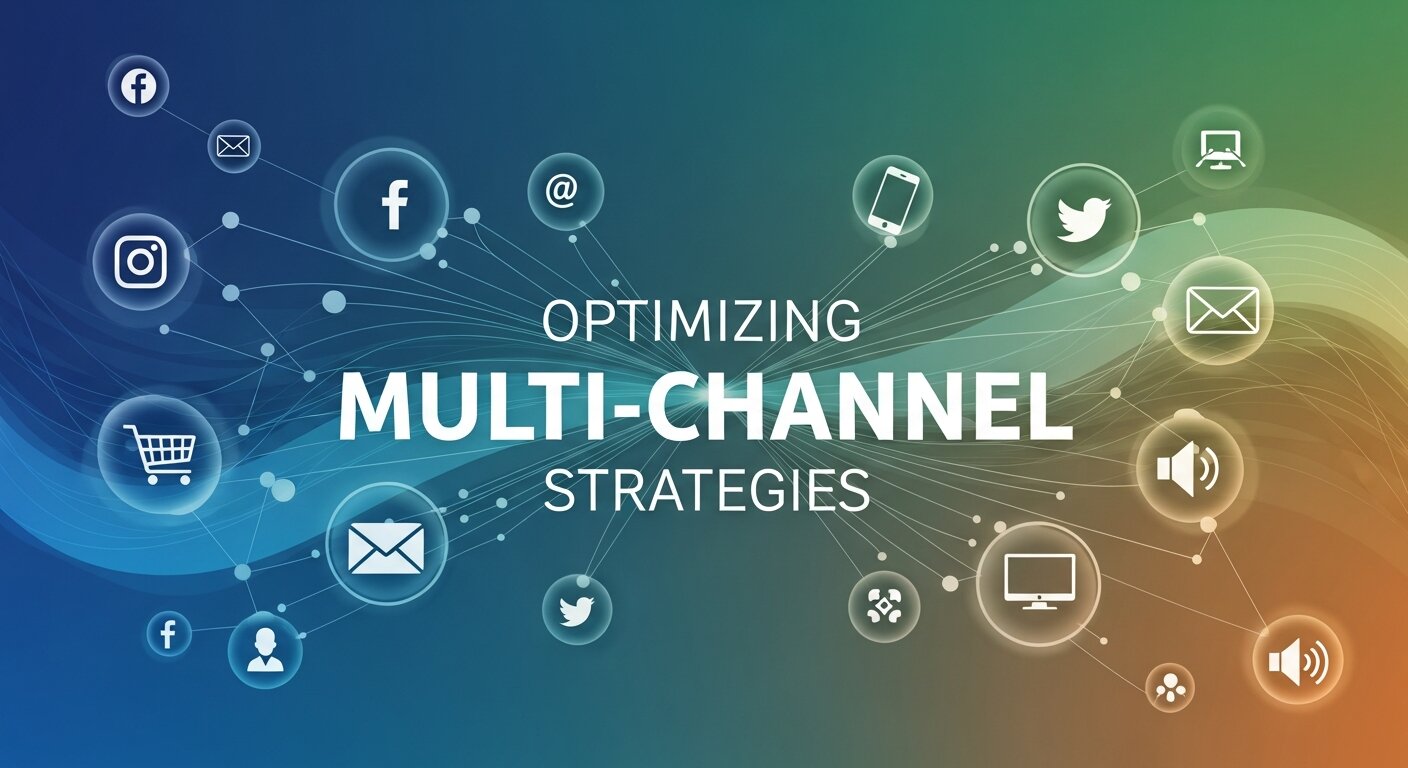
Modern marketing operates across numerous channels, from social media to email, search, and beyond. Success requires harmonizing messages across platforms while monitoring performance closely. By integrating robust analytics tools, marketers can measure which combinations of channels deliver the best results and adjust budgets accordingly. Advanced analytics features like attribution modeling help determine how each touchpoint contributes to conversions. This ensures that marketing spend is directed toward the most effective channels while improving customer experiences. Businesses can also test creative variations, track engagement patterns, and identify trends to inform strategy. The outcome is a cohesive multi-channel approach that drives conversions while optimizing efficiency.
Driving Strategic Decisions with Analytics
Marketing analytics extends beyond campaign measurement; it guides strategic business decisions. By evaluating historical performance, identifying patterns, and combining multiple data sources, companies can make better investment and product decisions. Using prescriptive analytics in marketing, organizations can receive recommendations for content, pricing, or promotion strategies, ensuring data-backed choices. This approach reduces uncertainty, strengthens forecasting, and aligns marketing goals with broader business objectives. Additionally, insights gained from analytics help identify growth opportunities, potential risks, and emerging market trends. Ultimately, businesses that leverage analytics strategically gain a competitive advantage, improve ROI, and foster stronger, data-informed relationships with their customers.
Frequently Asked Questions (FAQ)
1. What is marketing analytics?
Marketing analytics is the practice of collecting, measuring, and analyzing marketing data to evaluate performance, optimize campaigns, and improve ROI. It combines data from multiple sources—like website traffic, social media, email campaigns, and paid ads—to uncover actionable insights for better decision-making.
2. Why is marketing analytics important?
Analytics eliminates guesswork and enables data-driven decisions. It helps businesses understand customer behavior, track campaign effectiveness, optimize resource allocation, and forecast future trends, leading to improved ROI and competitive advantage.
3. Which key metrics should I focus on?
Essential KPIs include Cost of Acquiring a Customer (CAC), Return on Marketing Investment (ROMI), website traffic metrics, lead conversion rate, and Customer Lifetime Value (CLV). Focusing on actionable metrics ensures meaningful insights.
4. What tools are best for marketing analytics?
Popular tools include Google Analytics for web tracking, HubSpot for lead and email management, Tableau for data visualization, Adobe Analytics for engagement tracking, and SEMrush for SEO and competitive analysis. Selection depends on business size, goals, and budget.
5. How can small businesses implement marketing analytics?
Start by defining clear goals, collecting relevant data, and focusing on essential KPIs. Use affordable or free analytics tools, and gradually build expertise or hire consultants if needed. Even small-scale analytics can improve campaign performance and ROI.
6. What are common challenges in marketing analytics?
Challenges include data overload, cross-channel attribution, and a lack of expertise. Businesses can overcome them by filtering relevant metrics, integrating analytics platforms, and investing in training or external support.
7. How often should marketing performance be analyzed?
Analysis should be ongoing. Weekly or monthly reviews work for general campaigns, while real-time or daily monitoring is helpful for fast-moving channels like paid ads or social media.
8. What are the future trends in marketing analytics?
Trends include AI-powered predictive analytics, real-time dashboards, and privacy-first analytics due to stricter regulations like GDPR. These developments will make data-driven marketing faster, more accurate, and secure.
9. How does marketing analytics improve ROI?
By identifying high-performing campaigns, optimizing resource allocation, and predicting customer behavior, marketing analytics ensures budgets are spent efficiently. It reduces waste, increases conversions, and strengthens long-term customer relationships.
10. Can marketing analytics help with customer personalization?
Yes. By analyzing behavior and preferences, businesses can create personalized campaigns, improve engagement, and deliver relevant content or offers, fostering loyalty and long-term customer satisfaction.
 Rosemary Barker