
Data analytics has revolutionized the way that businesses undertake marketing. The era in which status quo and guesswork dictate marketing is over. Instead, data-driven insights enable marketers to make more targeted decisions, optimize campaigns, and deliver real impact. In this blog post, we will walk you through the basics of data analytics marketing, what this powerful tool consists of, how to use data to its fullest potential, and what’s in store for the future.
What is Data Analytics Marketing?
At a fundamental level, data analytics marketing is all about leveraging data to improve marketing strategies and campaigns. It specializes in data gathering, analysis, and interpretation for customer behavior, campaign effectiveness, and actionable insights.
Why is it important? Because marketing, at least the kind our company does for clients, no longer means throwing spaghetti at the wall to see what sticks. It’s about being precise. With the help of data analytics, companies can customize hyper-targeted campaigns, maximize ROI, and maneuver strategically ahead of the competition.
You may also be interested in Understanding Marketing Analytics, which focuses on analyzing marketing performance.
Data Analytics Marketing: What Do You Need?
If you want to wrap your head around data analytics marketing, it’s important to dissect the essence of it down to a few things:
Customer Insights
Nothing is more important than knowing your audience. Data analytics enables marketers to identify all this information from customer demographics to their purchasing behaviors, online habits, and pain points. Understand Your Audience. With a deep understanding of your audience, you can create marketing campaigns that connect.
Predictive Analytics
Predictive analytics is the practice of using historical data, statistical algorithms, and machine learning to predict future trends. For instance, if you know that customer engagement skyrockets on particular holidays or seasons, you can plan campaigns to make the most of that increase.
Performance Metrics
Measuring marketing key performance indicators (KPIs) such as conversion rates, customer acquisition cost (CAC), and return on marketing investment (ROMI) gives you baselines for success.
Tools and Technologies
Services such as Google Analytics, HubSpot, Tableau, and industry-specific customer relationship management software can help companies effectively collect and visualize data. These tools have laid the groundwork for modern data analytics in marketing.
Collecting and Analyzing Data
How to Collect the Right Data
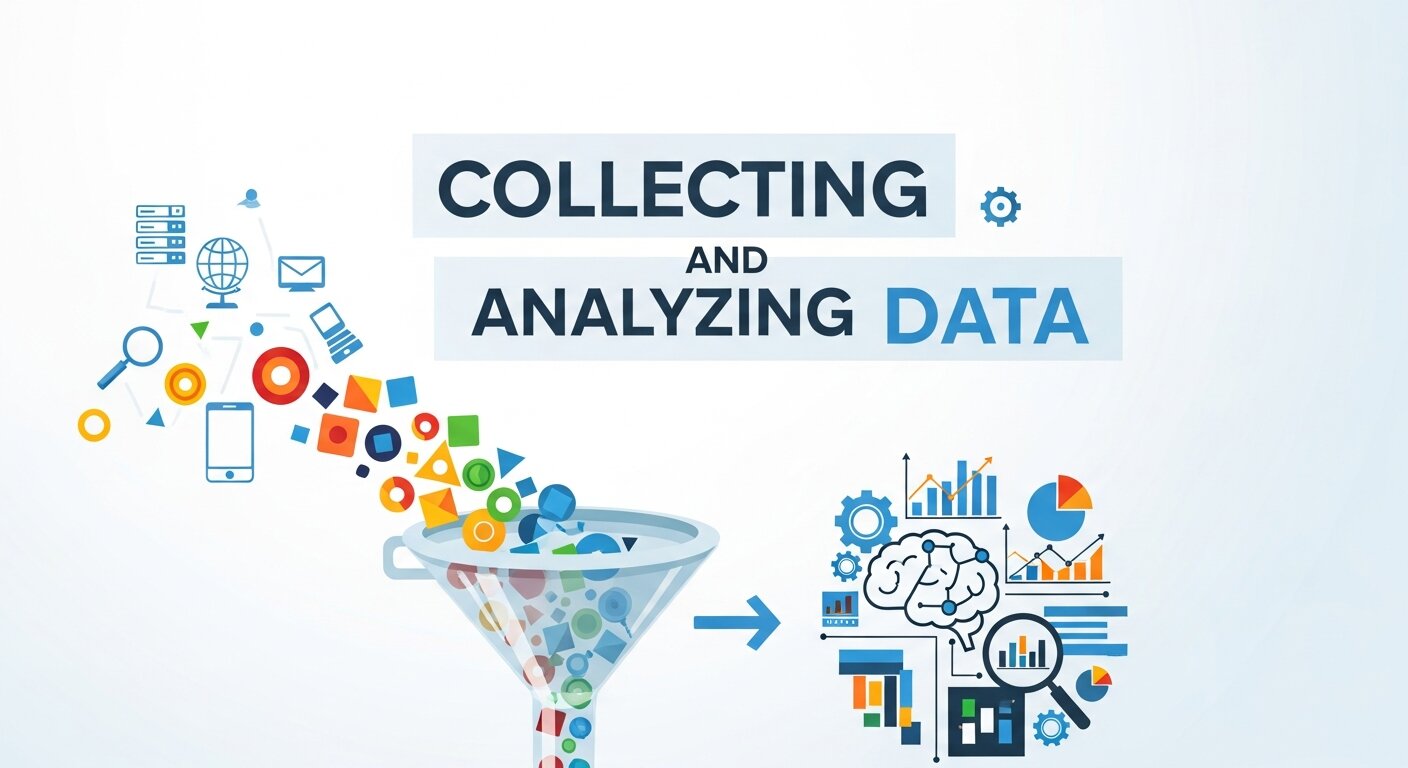
Good analytics begin with good data. First, figure out what you want your marketing to succeed. Need help with conversions? Increase the performance of your email campaigns? Grow website traffic? This can be informed by your objectives, and it will help define what data you need.
Typical data feeds for marketing include the following:
-
Website analytics
-
Social media metrics
-
Email marketing platforms
-
Customer surveys
-
History of sales and customer purchases
Cleaning and Organizing Data
Before you start analyzing data, it’s important to clean it. Double inputs, broken rows, or unrelated records can distort the output and virtually distort your course of action. Data cleaning guarantees you have accurate and correct records.
Making Sense of the Numbers
Analysis starts when your data is ready. Identify trends, relationships, and outliers. For example, a significant increase in website visitors might signal that you had a successful campaign reach, whereas a high bounce rate could show problems with your site’s user experience. Tools such as clustering, regression analysis, and sentiment analysis reveal a true story.
Letting Data Dictate the Best Choice
The value of data analytics is when it leads to action. Here’s how you can apply insights for marketing strategies:
Targeting the Right Audience
Analytics can show you how to split your audience into smaller sub-audiences, based on attributes such as age, location, interests, and behaviors. These slices can be personalized for targeting, making your campaigns more relevant and impactful.
Real-Time Campaigns Optimization
Modern tools deliver real-time data, allowing marketers to pivot when marketing efforts are not working. Do you have a low email open rate? You may also optimize your subject line and try the experiment again with recipients who didn’t open. Having trouble getting your Facebook ads to perform? A/B testing will show which creatives are clicking with your audience.
Delivering Unique Customer Experiences
Customers want that customized experience. Sending personal recommendations, customized emails, and exclusive discounts allows you to leverage the data from previous interactions and make customers feel like they mean more to you than just a number on a screen.
Auditing and Improving the Performance of Your Marketing

Measure and Improve Marketing Performance
One of the biggest advantages of marketing by data analytics is its measurable campaign and the fact that strategies are continually being worked on.
Set Clear KPIs
Measure what success looks like. Once you’ve decided (before a campaign, preferably) on the specific and measurable data that will define success, […] For example:
-
Grow website visitors by 20% in 3 months.
-
Email click-through of 5% or better.
-
Create 50 new leads from a webinar.
Monitor Performance Regularly
Do not wait until the end of a campaign to measure success. 3.) Monitor progress at regular intervals so that you can adjust as necessary. For example:
-
If you’re falling short of your traffic goals, try turning up paid ads.
-
“Substitute a variety of new types of subject lines or content if they don’t respond to your email.”
Leverage Attribution Models
The attribution models provide marketers with insights into which touchpoints (such as social ads, email campaigns, and referral traffic) are making the biggest contributions to conversions. Knowing what the customer’s journey to purchase looks like can tell you where you should be putting resources.
Continuous Improvement
The great thing about data analytics is that it makes marketing an iterative process. Leverage campaign performance to optimize future tactics, and wash, rinse, and repeat the analysis, execution, and tuning process.
The Future of Data Analytics Marketing
The importance of data analytics in marketing will increase as technology evolves. What to look out for: Some of the areas to monitor are:
AI and Machine Learning
Data analytics marketing will be dominated by artificial intelligence. AI-based tools can sift through massive pools of data in seconds, pinpoint patterns humans are liable to miss, and even make decisions, such as how budget should be distributed to high-performing channels, on their own.
Privacy and Data Security
Amid increasing privacy concerns and regulations such as GDPR and CCPA in place, marketers will be pushed to strike a balance between leveraging data analytics and using data responsibly. Establishing clear policies and earning public trust will be key priority.”
Real-Time Insights
Near real-time analytics are becoming routine. There, marketing can literally line up on the fly when faster tools and instant insights empower them to optimize campaign performance on the go.
Seamless Integration
Next-generation marketing platforms will more closely align data analytics with other marketing tools like CRMs, email automation, and even social media scheduling platforms, to form an interconnected ecosystem where data can move freely.
Enhancing Campaign Strategy
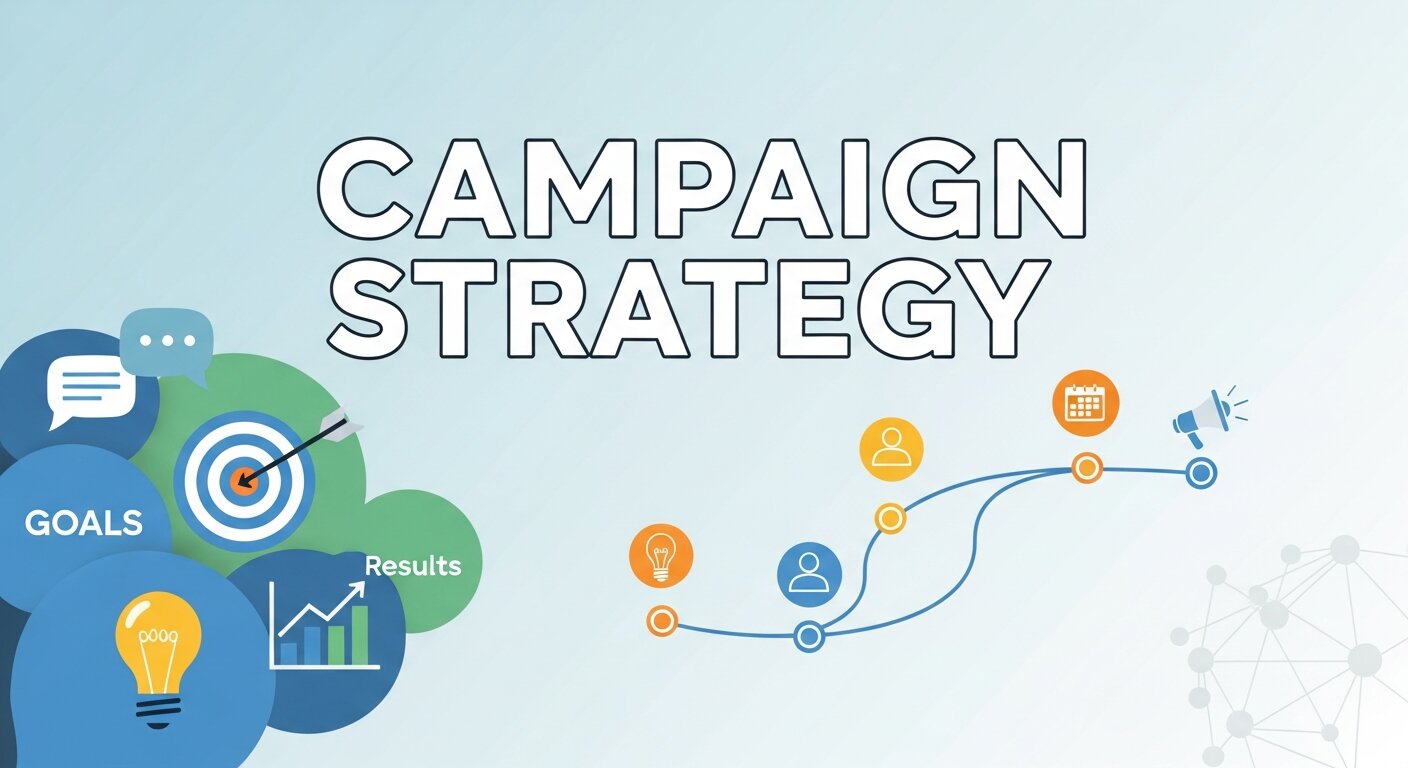
Marketing success depends on making the right decisions at the right time. By leveraging insights from past campaigns, businesses can anticipate which approaches resonate with their audience and optimize messaging accordingly. Tools that enable predictive and prescriptive insights allow marketers to prioritize campaigns that are most likely to convert while avoiding strategies that underperform. Understanding patterns in user engagement, purchase history, and seasonal trends ensures that marketing budgets are used efficiently. With data-backed recommendations, companies can refine creative content, select optimal channels, and deliver personalized messages that align with customer expectations. Over time, these improvements compound, boosting ROI and customer loyalty, while creating a more strategic approach to all marketing initiatives.
Optimizing Customer Touchpoints
Every interaction a customer has with a brand contributes to their overall experience. Mapping and analyzing these touchpoints allows marketers to identify friction points and opportunities for engagement. Detailed tracking of email campaigns, website interactions, social media engagement, and in-store visits provides actionable data on user behavior. By applying insights from prescriptive analytics in marketing, businesses can suggest optimal next actions, from sending targeted offers to improving navigation flows. This helps ensure that customers receive timely and relevant experiences, increasing satisfaction and conversion rates. Over time, refining touchpoints based on actual performance data creates a seamless journey that strengthens relationships and encourages repeat engagement.
Advanced Personalization Technique
Consumers expect highly personalized experiences across all marketing channels. By analyzing behavioral data, businesses can segment audiences and deliver content tailored to specific interests, preferences, or previous interactions. Advanced analytics features allow marketers to identify micro-segments and predict which offers or messages will resonate most effectively. Personalization goes beyond email recommendations—it extends to social media targeting, website content, and loyalty programs. With the right insights, campaigns can be dynamically adjusted in real time to reflect user behavior. This leads to improved engagement, higher click-through rates, and better conversion outcomes, ultimately making marketing efforts feel relevant, timely, and uniquely aligned with individual customer needs.
Streamlining Marketing Workflows
Efficient marketing requires seamless coordination between data collection, analysis, and execution. Integrating analytics into everyday workflows allows teams to monitor campaign performance continuously and respond quickly to changing trends. By automating reporting and dashboards, marketers spend less time on manual data preparation and more time applying insights. Advanced analytics features can highlight the most impactful strategies, prioritize tasks, and identify where resources should be allocated for maximum effect. Streamlining processes in this way reduces errors, increases operational efficiency, and accelerates decision-making. Ultimately, this allows marketing teams to implement data-driven strategies consistently while maintaining flexibility to adapt to evolving market conditions and audience behaviors.
Measuring Long-Term Performance
Beyond immediate campaign metrics, it’s essential to assess the long-term impact of marketing initiatives. Tracking customer retention, lifetime value, and recurring engagement provides insights into the effectiveness of strategies over time. Prescriptive analytics in marketing can suggest interventions that improve long-term results, such as re-engagement campaigns or loyalty program adjustments. Combining short-term metrics with historical trends ensures that decisions are grounded in a complete understanding of customer behavior. This holistic view helps identify patterns that might not be visible in isolated campaigns, allowing marketers to optimize content, targeting, and messaging to deliver sustainable results. Consistent monitoring also supports iterative improvements and continuous learning.
Forecasting Market Trends
Understanding future market conditions is a critical competitive advantage. By analyzing historical data, consumer behavior, and broader industry trends, businesses can anticipate shifts in demand, seasonality, or preferences. Advanced analytics features allow marketers to create predictive models that highlight potential growth opportunities and identify risks before they materialize. These insights guide resource allocation, product launches, and campaign planning, ensuring that marketing efforts are aligned with expected trends. Incorporating forecasts into decision-making enables proactive rather than reactive strategies, increasing efficiency and reducing wasted spend. Over time, consistent use of predictive insights positions businesses to adapt quickly, stay ahead of competitors, and respond intelligently to evolving customer needs.
Walking the Walk of Data Analytics Marketing
Data analytics marketing is not just a passing fad; it’s critical for companies that want to stay competitive in a digital world. You can start making more intelligent, data-driven marketing decisions now that you understand the concepts, tools, and tactics this guide covers.
If you want to take your marketing campaigns to the next level, begin by evaluating the data you already have. Find the gaps, invest in those tools, and develop campaigns on what you know, not what you think. Need help getting started? Browse through the best analytics software options to discover the right solution for your business.
Frequently Asked Questions (FAQ)
1. What is data analytics marketing?
Data analytics marketing is the practice of using data to improve marketing strategies. It involves collecting, analyzing, and interpreting data to understand customer behavior, optimize campaigns, and make informed marketing decisions.
2. Why is data analytics important for marketing?
It helps marketers move away from guesswork, target the right audience, maximize ROI, optimize campaigns in real-time, and deliver personalized customer experiences based on actionable insights.
3. What types of data are used in marketing analytics?
Common data sources include website analytics, social media metrics, email marketing performance, customer surveys, and historical sales or purchase data.
4. How can predictive analytics improve marketing?
Predictive analytics uses historical data and statistical models to forecast future trends, such as peak engagement periods, enabling marketers to plan campaigns more effectively.
5. What tools are essential for data analytics marketing?
Tools like Google Analytics, HubSpot, Tableau, CRMs, and customer data platforms help collect, visualize, and analyze data efficiently for informed decision-making.
6. How do I measure marketing success with data?
Set clear KPIs, monitor metrics like conversion rates, CAC, ROMI, and use attribution models to track which campaigns or channels contribute most to conversions.
7. How does real-time data improve campaigns?
Real-time analytics allows marketers to adjust campaigns instantly, optimize underperforming ads, experiment with new strategies, and respond quickly to customer behavior trends.
8. How is privacy considered in data analytics marketing?
Marketers must comply with regulations like GDPR and CCPA, use consent management platforms, and responsibly handle customer data to build trust while leveraging analytics.
9. What role does AI play in marketing analytics?
AI and machine learning analyze large datasets quickly, detect patterns humans may miss, optimize budget allocation, and sometimes automate campaign decisions for better performance.
10. How can data analytics marketing help improve customer experience?
By using insights from past interactions, marketers can deliver personalized emails, recommendations, and offers, making customers feel valued and increasing engagement and loyalty.