

Advanced marketing analytics uses predictive modeling, machine learning, and real-time insights to understand customer behavior, optimize campaigns, and forecast outcomes. By leveraging data-driven strategies, businesses improve targeting, personalization, retention, and ROI, gaining a competitive edge in complex, multi-channel marketing.
Marketing analytics has evolved far beyond simple website traffic reports and email open rates. Modern businesses need sophisticated tools to understand customer behavior, predict trends, and optimize campaigns across multiple channels. Advanced analytics features are reshaping how marketers measure success and make data-driven decisions that directly impact revenue growth.
Understanding which advanced features matter most can be the difference between generic reporting and actionable insights that drive real business results. This comprehensive guide explores the cutting-edge analytics capabilities that separate industry leaders from their competitors, helping you identify which features deserve priority in your marketing technology stack.
Predictive Analytics and Machine Learning

Predictive analytics represents one of the most powerful advances in marketing analytics, using historical data patterns to forecast future customer behavior. Machine learning algorithms analyze vast amounts of customer interaction data to predict outcomes like purchase likelihood, churn risk, and optimal engagement timing.
Customer Lifetime Value Prediction
Advanced analytics platforms now calculate projected customer lifetime value (CLV) using sophisticated algorithms that consider purchase history, engagement patterns, and behavioral indicators. This capability enables marketers to allocate budgets more effectively, focusing resources on high-value prospects while identifying opportunities to increase retention among existing customers.
Churn Prevention Models
Machine learning models identify customers at risk of leaving before traditional indicators become apparent. These systems analyze subtle changes in engagement patterns, purchase frequency, and interaction preferences to flag at-risk accounts. Marketing teams can then deploy targeted retention campaigns, often recovering customers who would otherwise be lost.
Propensity Scoring
Propensity models assign likelihood scores for specific actions, such as making a purchase, upgrading services, or responding to particular campaign types. These scores enable highly targeted marketing efforts, improving conversion rates while reducing wasted ad spend on unlikely prospects.
Data-Driven Content Strategy
A data-driven content strategy uses analytics to guide every stage of content creation and distribution. By analyzing audience preferences, engagement patterns, and performance metrics, marketers can produce content that resonates and drives results. Insights from search trends, social interactions, and email campaigns inform topic selection, format, and timing. Data also helps prioritize high-impact channels and optimize publishing schedules. Measuring performance in real time enables continuous improvement, ensuring content remains relevant and effective. This approach reduces wasted effort, improves ROI, and strengthens brand authority. By combining creativity with data insights, marketers can craft content strategies that maximize engagement and conversion.
Marketing Automation Optimization

Marketing automation platforms streamline repetitive tasks, but advanced analytics maximizes their impact. By analyzing workflow performance, campaign timing, and audience interactions, marketers can refine automation sequences for better outcomes. Predictive insights determine the optimal send times, messaging, and channel mix for each segment. Automated A/B testing and behavior-triggered campaigns improve engagement while reducing manual intervention. Analytics also highlights underperforming flows, allowing timely adjustments. Optimization ensures that automation delivers personalized, timely, and relevant experiences to prospects and customers. Integrating data into automation strategies transforms simple scheduling tools into intelligent systems that drive measurable business growth and improve overall marketing efficiency.
Multi-Channel Campaign Measurement
Modern customers interact across multiple platforms, making multi-channel measurement essential. Analytics tools track performance across email, social media, paid ads, and offline touchpoints, providing a unified view of campaign effectiveness. By analyzing interactions across channels, marketers can identify which touchpoints contribute most to conversions and ROI. Multi-channel measurement also reveals gaps or overlaps in strategy, helping optimize resource allocation. Cohesive insights enable consistent messaging and personalized experiences regardless of where customers engage. Data-driven evaluation of campaigns across all channels allows businesses to refine targeting, improve engagement, and maximize the impact of marketing investments, ensuring that every interaction contributes to overall goals.
Customer Engagement Scoring
Customer engagement scoring quantifies the level of interaction and loyalty a customer demonstrates across digital touchpoints. Analytics assess metrics like website visits, content consumption, social interactions, email opens, and purchase history. By assigning scores, marketers can prioritize high-value or highly engaged customers for campaigns, retention efforts, or upselling opportunities. Engagement scoring also highlights at-risk segments, enabling proactive outreach. Tracking changes over time provides insights into behavior shifts and the effectiveness of engagement strategies. This quantitative approach transforms subjective assumptions into actionable insights, helping businesses focus on customers who matter most, optimize marketing efforts, and strengthen long-term relationships with their audience.
Campaign Attribution Modeling
Campaign attribution modeling evaluates the contribution of each marketing activity toward conversions or revenue. Beyond simple first- or last-touch models, advanced techniques like multi-touch and data-driven attribution consider every interaction in the customer journey. Analytics reveal which channels, campaigns, or content pieces drive engagement and revenue, allowing marketers to allocate budgets more effectively. Accurate attribution also identifies underperforming areas, guiding optimization. By understanding the real value of each marketing effort, businesses can improve ROI, justify investment decisions, and refine strategies to maximize conversion rates. Attribution modeling ensures marketing decisions are based on comprehensive, evidence-backed insights.
Predictive Customer Insights
Predictive customer insights use historical behavior, transaction data, and machine learning algorithms to forecast future actions. This allows marketers to anticipate purchases, identify churn risks, and tailor campaigns to individual needs. Predictive models can recommend optimal engagement timing, preferred channels, or relevant offers. By leveraging these insights, businesses can proactively influence customer behavior, improve retention, and increase revenue. Predictive analytics also supports personalized marketing at scale, enabling precise targeting based on probabilistic outcomes. Companies using predictive insights gain a competitive edge by making informed, forward-looking decisions, reducing guesswork, and ensuring that marketing efforts are aligned with anticipated customer behavior.
Marketing ROI and Performance Dashboards
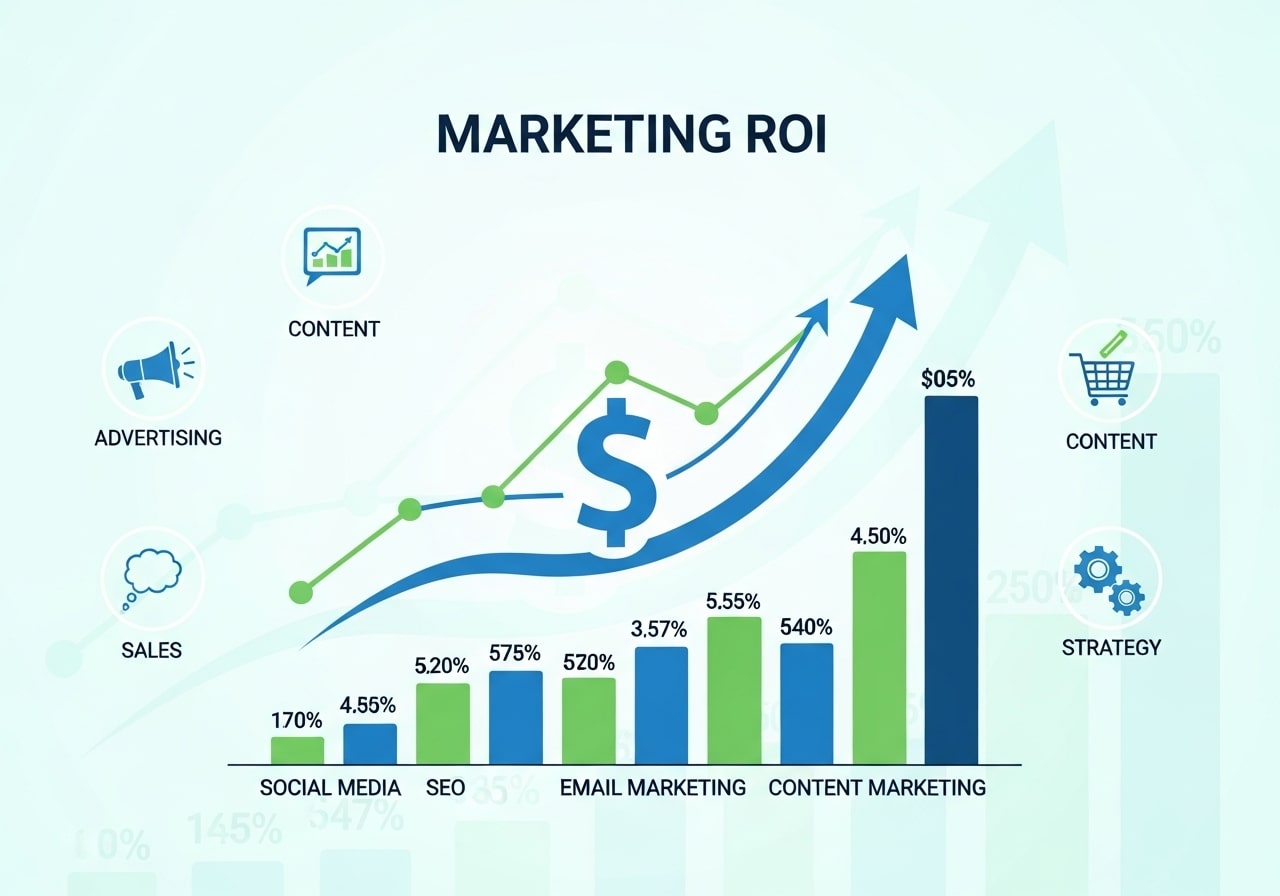
Marketing ROI dashboards consolidate metrics from multiple campaigns, channels, and customer touchpoints into a single, visual interface. Interactive dashboards allow teams to monitor KPIs like conversions, engagement, revenue, and cost per acquisition in real time. Analytics highlight trends, anomalies, and high-performing segments, enabling quick decisions. Automated reporting saves time while maintaining accuracy and consistency. These dashboards make performance transparent to stakeholders and support evidence-based strategy adjustments. By centralizing insights, marketers can optimize budgets, improve campaign effectiveness, and measure the tangible impact of marketing initiatives. ROI dashboards turn complex data into actionable intelligence that drives growth and efficiency.
Advanced Segmentation and Personalization
Modern marketing analytics goes beyond demographic segmentation to create dynamic, behavior-based customer groups that update automatically as new data becomes available.
Behavioral Segmentation
Advanced analytics platforms track micro-interactions across touchpoints to create detailed behavioral profiles. These systems identify patterns like browsing behavior, content preferences, and engagement timing to create segments based on actual customer actions rather than assumed characteristics.
Real-Time Personalization
Sophisticated analytics engines deliver personalized content and recommendations in real-time, adjusting messaging, product suggestions, and offers based on current session behavior combined with historical data. This dynamic personalization significantly improves engagement rates and conversion outcomes.
Cross-Channel Identity Resolution
Advanced identity resolution features connect customer interactions across devices, platforms, and touchpoints to create unified customer profiles. This capability ensures consistent personalization experiences whether customers engage via email, social media, mobile apps, or website visits.
Attribution and Journey Analytics
Understanding the complete customer journey requires advanced attribution models that go beyond simple first-click or last-click analysis.
Multi-Touch Attribution
Advanced attribution features analyze every touchpoint in the customer journey to assign appropriate credit to each marketing channel. These models consider factors like interaction sequence, time decay, and channel influence to provide accurate ROI calculations for complex, multi-channel campaigns.
Journey Path Analysis
Sophisticated journey analytics visualize common paths customers take from awareness to conversion, identifying bottlenecks, drop-off points, and optimization opportunities. These insights help marketers streamline the customer experience and remove barriers to conversion.
Cross-Device Journey Tracking
Advanced analytics platforms track customers as they move between devices throughout their journey, providing complete visibility into modern buying behaviors. This capability is essential for optimizing campaigns that span desktop, mobile, and tablet interactions.
Real-Time Analytics and Automated Insights
Speed of insight often determines competitive advantage, making real-time analytics capabilities increasingly critical for marketing success.
Live Dashboard Monitoring
Advanced analytics platforms provide real-time visibility into campaign performance, allowing marketers to identify issues and opportunities as they develop. Automated alerts notify teams when metrics exceed thresholds or deviate from expected patterns.
Anomaly Detection
Machine learning algorithms continuously monitor marketing metrics to identify unusual patterns or sudden changes that warrant attention. These systems can detect everything from traffic spikes to conversion rate drops, enabling rapid response to both opportunities and problems.
Automated Optimization Recommendations
AI-powered analytics platforms analyze performance data to generate specific optimization recommendations, suggesting changes to targeting, bidding, content, or timing based on data patterns and predictive models.
Advanced Reporting and Visualization
Sophisticated reporting capabilities transform complex data into actionable insights that drive strategic decision-making.
Custom Data Modeling
Advanced analytics platforms allow marketers to create custom data models that align with specific business requirements and KPIs. This flexibility ensures that reporting focuses on metrics that matter most to organizational goals.
Interactive Visualizations
Modern analytics tools provide interactive dashboards and visualizations that enable deep-dive analysis without requiring technical expertise. Users can filter, drill down, and explore data relationships to uncover insights that static reports might miss.
Automated Report Generation
AI-powered reporting features automatically generate insights and narrative explanations of data trends, making analytics accessible to stakeholders who may not be data analysis experts.
Integration and Data Management Features
Advanced analytics capabilities depend on robust data integration and management features that ensure data quality and accessibility.
API Connectivity
Comprehensive API capabilities enable seamless integration with marketing tools, CRM systems, e-commerce platforms, and other business applications. This connectivity ensures that analytics platforms have access to complete, up-to-date customer and campaign data.
Data Quality Monitoring
Advanced platforms include automated data quality checks that identify inconsistencies, duplicates, and errors that could compromise analytics accuracy. These features maintain data integrity across all connected systems.
Privacy and Compliance Management
Sophisticated privacy controls help organizations comply with regulations like GDPR and CCPA while maintaining analytics capabilities. These features include consent management, data retention controls, and anonymization capabilities.
Making Advanced Analytics Work for Your Business
Advanced marketing analytics features offer tremendous potential, but success depends on strategic implementation and organizational readiness. Start by identifying specific business challenges that advanced analytics can address, then prioritize features that align with your most critical needs.
Consider your team’s technical capabilities and training requirements when evaluating advanced analytics platforms. While these tools are becoming more user-friendly, maximizing their value often requires developing new skills and processes within your marketing organization.
The future of marketing depends increasingly on data-driven decision-making. Organizations that invest in advanced analytics capabilities now will be better positioned to compete effectively as customer expectations continue to evolve and marketing complexity increases.
Frequently Asked Questions (FAQ)
1. What is advanced marketing analytics?
Advanced marketing analytics goes beyond basic metrics like clicks and open rates. It uses predictive modeling, machine learning, and real-time insights to understand customer behavior, optimize campaigns, and forecast outcomes across multiple channels.
2. How does predictive analytics help marketing?
Predictive analytics analyzes historical customer data to forecast future actions, such as purchase likelihood, churn risk, or engagement timing. This allows marketers to proactively target campaigns and allocate resources efficiently.
3. What is customer lifetime value (CLV) prediction?
CLV prediction estimates the total value a customer will bring over their relationship with a business. Marketers can use this to prioritize high-value prospects, increase retention, and optimize budget allocation.
4. How can churn prevention models improve retention?
Churn prevention models identify at-risk customers by analyzing engagement patterns and behavior. Marketing teams can then implement personalized retention campaigns to reduce churn and retain valuable clients.
5. What is propensity scoring in marketing?
Propensity scoring assigns a likelihood to specific customer actions, such as making a purchase or responding to a campaign. It enables highly targeted marketing, improving conversion rates while reducing wasted spend.
6. How does real-time personalization work?
Real-time personalization delivers tailored content, offers, and recommendations based on current customer behavior combined with historical data. This improves engagement and conversion by meeting customer needs instantly.
7. What are multi-touch attribution and journey analytics?
Multi-touch attribution assigns credit to every touchpoint in a customer journey, while journey analytics visualizes the paths customers take from awareness to conversion. Together, they help optimize campaigns and remove friction in the buying process.
8. Do I need technical skills to use advanced analytics?
Many modern platforms are user-friendly and offer automated insights, visualizations, and reporting. However, implementing predictive models or custom data analysis may require some technical expertise or training.
9. How important is data quality for marketing analytics?
High-quality, accurate, and integrated data is critical. Poor data can lead to incorrect predictions, ineffective campaigns, and wasted resources. Automated monitoring and integration tools help maintain reliability.
10. How should businesses start with advanced analytics?
Begin by identifying key marketing challenges and goals. Prioritize analytics features that address these areas, ensure team readiness and training, and gradually integrate advanced tools into your campaigns to maximize impact.