

Cross-channel analytics helps marketers unify data from multiple channels to understand complete customer journeys and improve ROI. By integrating data, applying advanced attribution models, and leveraging tools like CDPs and analytics platforms, businesses can optimize budgets, personalize experiences, and reduce wasted spend.
In today’s hyper-competitive landscape, marketers must look beyond individual channels and adopt a holistic approach to measurement. Cross-channel analytics provides the insights needed to understand customer journeys, allocate budgets effectively, and ultimately drive higher return on investment (ROI). In this comprehensive guide, we’ll explore what cross-channel analytics is, why it matters, and how you can implement best practices to transform data into a strategic advantage.
What Is Cross-Channel Analytics?
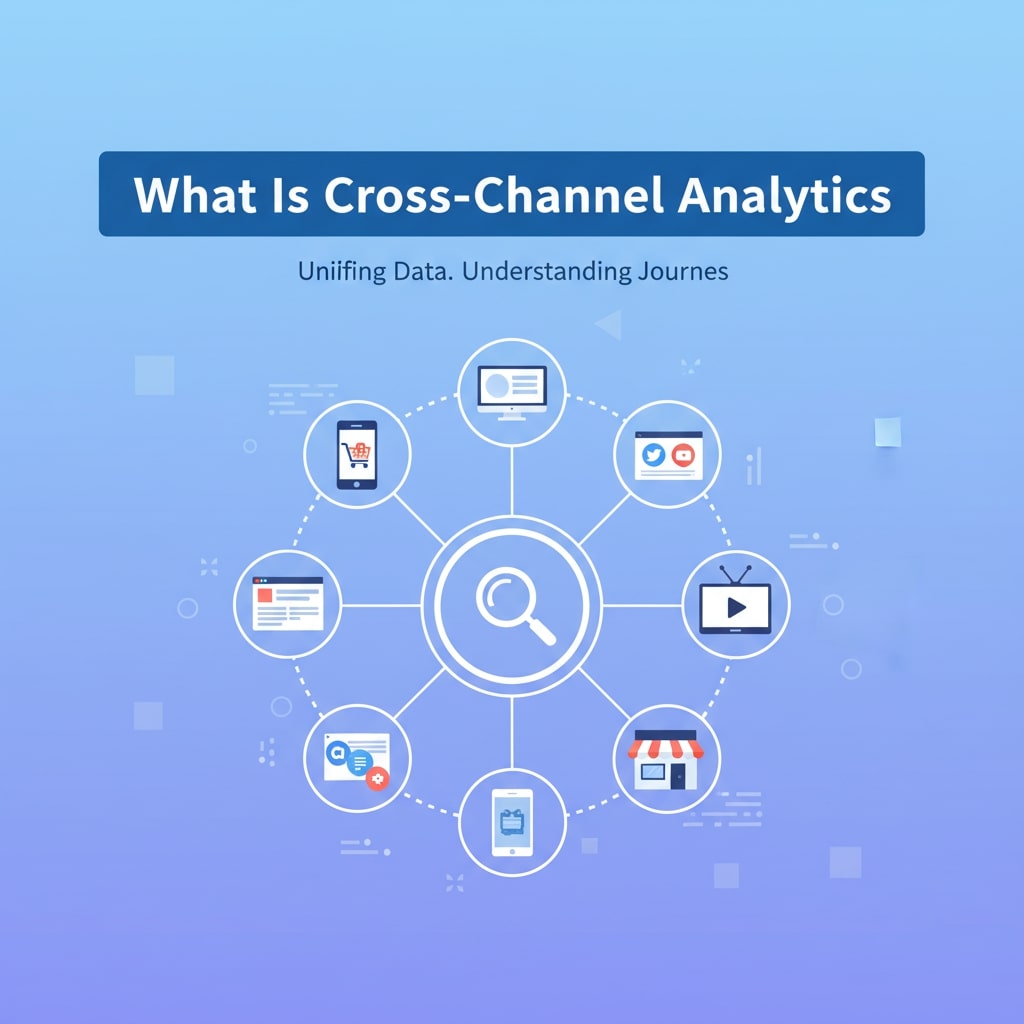
Cross-channel analytics refers to the practice of collecting, unifying, and analyzing marketing data from multiple channels—such as social media, email, search, display ads, direct traffic, and offline interactions—and deriving actionable insights. Unlike siloed reporting, cross-channel analysis allows marketing teams to see the full customer journey, identify bottlenecks, and optimize touchpoints for better engagement.
Why Cross-Channel Analytics Matters for ROI
Fragmented data leads to misinformed decisions. By consolidating metrics across channels, you gain clarity on how each campaign performs relative to others, enabling you to:
- Allocate budgets more efficiently
- Identify high- and low-performing touchpoints
- Optimize messaging and creative based on path data
- Reduce wastage on underperforming tactics
- Improve personalization across the journey
In short, cross-channel analytics bridges the gap between data and decisions, resulting in higher conversions, lower acquisition costs, and superior marketing ROI.
Customer Journey Mapping Across Channels

Customer journey mapping is a core component of cross-channel analytics. It visualizes every interaction a customer has with your brand—from first awareness to conversion and retention—across multiple channels. By mapping these touchpoints, marketers can identify friction points, drop-offs, and moments of influence. This insight enables better sequencing of messages and improved channel coordination. When brands understand how customers move between channels, they can design seamless experiences that increase engagement, reduce churn, and drive higher ROI through consistent and timely interactions.
The Role of Identity Resolution in Cross-Channel Analytics
Identity resolution connects user interactions across devices and platforms into a single customer profile. Since users often switch between mobile, desktop, email, and offline touchpoints, identity resolution ensures accurate attribution and journey tracking. By unifying identifiers like cookies, email IDs, CRM records, and device data, marketers gain a true omnichannel view. This capability improves personalization, targeting, and measurement accuracy. Without identity resolution, cross-channel analytics remains fragmented, leading to misleading insights and inefficient marketing decisions.
Cross-Channel Attribution Models Explained
Attribution modeling determines how credit is assigned to different marketing touchpoints. Cross-channel attribution goes beyond last-click models to include first-touch, linear, time-decay, and data-driven approaches. These models help marketers understand how channels work together rather than in isolation. Choosing the right attribution model ensures fair evaluation of campaigns and prevents undervaluing awareness or nurture channels. A well-implemented attribution strategy leads to smarter budget allocation, improved campaign optimization, and more accurate ROI measurement.
Personalization Powered by Cross-Channel Insights
Cross-channel analytics enables advanced personalization by leveraging unified customer data. When brands understand user behavior across channels, they can deliver relevant content, offers, and messaging at the right moment. Personalization may include tailored email campaigns, dynamic website content, or targeted ads based on prior interactions. This relevance improves engagement and conversion rates while enhancing customer experience. Data-driven personalization also reduces marketing fatigue by avoiding repetitive or irrelevant messaging across channels.
Privacy, Compliance, and Data Ethics
As data collection expands across channels, privacy and compliance become critical. Regulations such as GDPR and CCPA require marketers to handle customer data responsibly. Cross-channel analytics must include consent management, data minimization, and transparent usage practices. Ethical data handling builds trust and protects brand reputation. Implementing strong governance frameworks ensures data accuracy, security, and compliance while still enabling actionable insights. Privacy-first analytics strategies are essential for sustainable, long-term marketing success.
Measuring Offline-to-Online Conversions
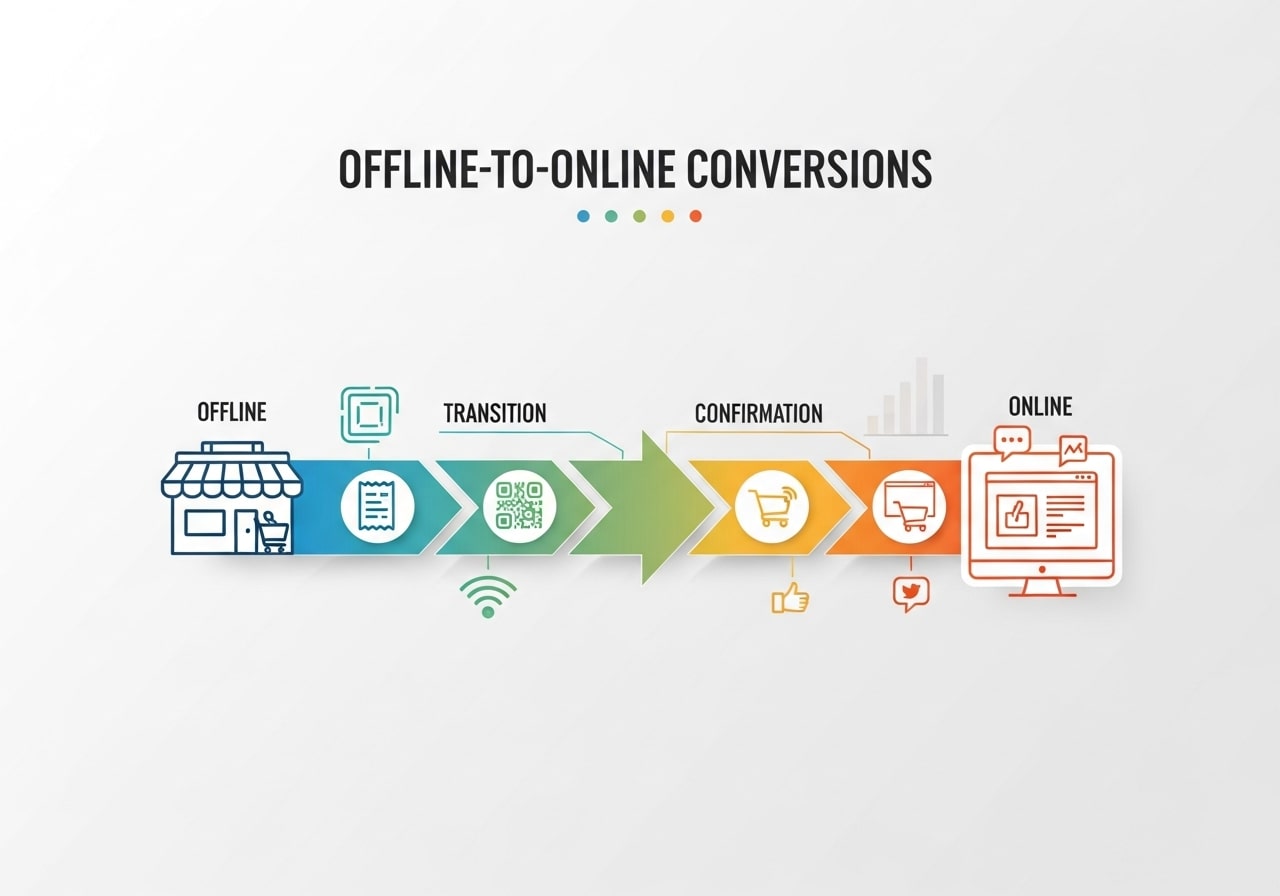
Cross-channel analytics bridges the gap between offline and digital interactions. By integrating point-of-sale data, call center logs, events, and in-store visits with digital analytics, marketers can measure offline-to-online impact. Techniques like QR codes, promo codes, geo-tracking, and CRM matching help attribute offline conversions to digital campaigns. This visibility allows brands to understand the true effectiveness of omnichannel efforts, optimize media spend, and align digital strategies with real-world customer behavior.
Using Predictive Analytics for Channel Optimization
Predictive analytics uses historical cross-channel data to forecast future performance. By identifying patterns in customer behavior, marketers can anticipate conversions, churn risk, and high-performing channels. Predictive models help allocate budgets proactively, optimize campaign timing, and prioritize high-value audiences. This forward-looking approach reduces guesswork and enhances decision-making. When combined with cross-channel analytics, predictive insights empower marketers to stay ahead of trends and maximize ROI through data-informed planning.
Cross-Channel Dashboards and Reporting Frameworks
Effective dashboards turn complex data into actionable insights. Cross-channel dashboards consolidate KPIs from multiple sources into a single view, enabling real-time monitoring of performance. Well-designed reports highlight trends, attribution paths, and channel interactions without overwhelming stakeholders. Custom dashboards for executives, marketers, and analysts ensure clarity and alignment. Strong reporting frameworks support faster decisions, better collaboration, and continuous optimization across all marketing channels.
Aligning Marketing and Sales Through Shared Analytics
Cross-channel analytics plays a crucial role in aligning marketing and sales teams. By integrating CRM, marketing automation, and analytics data, both teams gain visibility into lead quality, engagement history, and conversion drivers. Shared metrics and attribution models reduce friction and improve collaboration. This alignment ensures consistent messaging, faster handoffs, and better pipeline performance. When marketing and sales operate from the same data foundation, revenue growth becomes more predictable and scalable.
Key Metrics and Data Sources
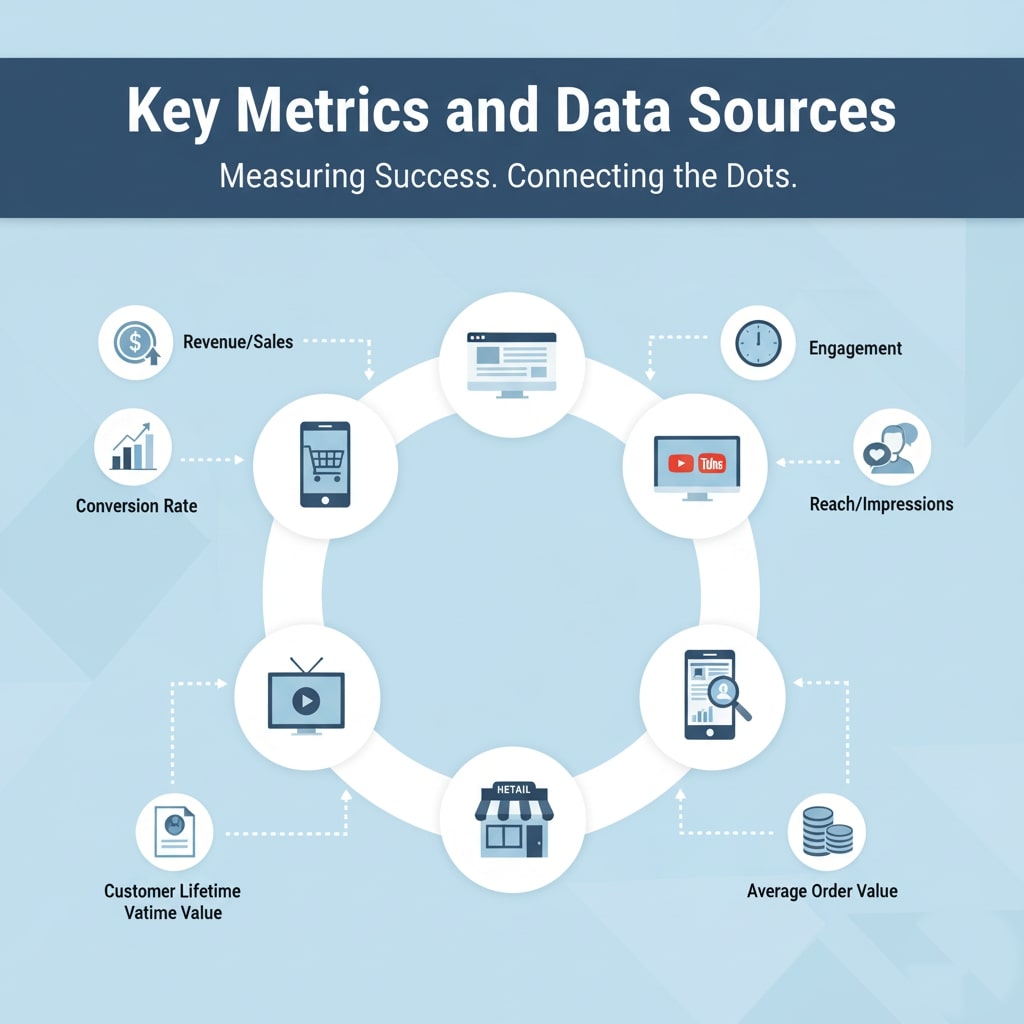
To unlock the full potential of cross-channel analytics, focus on these critical metrics and data sources:
- Attribution Metrics: Multi-touch attribution, first-touch, last-touch, and data-driven models that assign credit across interactions.
- Engagement Metrics: Click-through rates (CTR), time on site, pages per session, and social shares to gauge interest.
- Conversion Metrics: Leads generated, completed purchases, downloads, and sign-ups mapped to each channel.
- Revenue Metrics: Average order value (AOV), customer lifetime value (CLV), and total revenue sourced by channel.
- Cost Metrics: Cost per click (CPC), cost per acquisition (CPA), and return on ad spend (ROAS).
Collect data from marketing automation platforms, CRM systems, web analytics tools (like GA4), social media insights, email marketing dashboards, and point-of-sale systems. Unified data storage—such as a data warehouse or CDP—ensures consistency and accessibility.
Integrating Data from Multiple Channels
Data integration is the cornerstone of cross-channel analytics. Follow these steps:
- Audit Existing Data Sources: List all marketing touchpoints and verify data quality. Identify gaps, duplicates, and inconsistencies.
- Choose an Integration Platform: Select an ETL/ELT tool, customer data platform (CDP), or native connectors to bring data into a central repository.
- Define a Unified Schema: Standardize naming conventions, attribution windows, and timestamp formats to enable cross-channel queries.
- Implement Data Transformation: Cleanse raw feeds, deduplicate records, and map fields to your unified schema.
- Set Up Automated Pipelines: Schedule regular data refreshes to ensure near real-time reporting and analysis.
With integrated data, you can construct comprehensive dashboards that visualize customer journeys end to end.
Tools and Technologies to Support Cross-Channel Analytics
Numerous platforms facilitate cross-channel insights. Here are some categories and examples:
- Analytics Suites: Google Analytics 4, Adobe Analytics
- Customer Data Platforms (CDPs): Segment, Tealium, mParticle
- Business Intelligence Tools: Tableau, Looker, Power BI
- Marketing Automation: HubSpot, Marketo, Pardot
- Attribution Platforms: Attribution App, Ruler Analytics, Wicked Reports
Choose tools that integrate seamlessly with your tech stack, offer flexible APIs, and enable advanced modeling (like data-driven attribution).
Best Practices for Implementation
To ensure success, adhere to these best practices:
- Define Clear Objectives: Establish KPIs aligned to business goals—whether it’s revenue growth, lead generation, or churn reduction.
- Start Small, Scale Fast: Pilot with a subset of channels before rolling out enterprise-wide reporting.
- Maintain Data Governance: Assign ownership for data quality, permissions, and compliance (e.g., GDPR).
- Foster Cross-Functional Collaboration: Marketing, sales, IT, and finance teams must align on metrics and attribution models.
- Iterate and Optimize: Regularly review dashboards, test new models, and refine insights based on performance.
Remember that cross-channel analytics is not a one-time project but a continuous journey toward data-driven excellence.
Real-World Case Studies
Case Study 1: E-commerce Retailer
A major retailer consolidated data from paid search, social ads, email, and organic search using a CDP. By implementing a data-driven attribution model, they discovered that email re-engagement campaigns, previously undervalued, drove 18% of total revenue. Armed with this insight, they reallocated 10% of their ad budget to email, boosting overall ROI by 22%.
Case Study 2: B2B SaaS Company
A SaaS provider integrated CRM data with web analytics and LinkedIn Ads metrics. Through multi-touch analysis, they identified that prospects who attended webinars and viewed case studies online were 3x more likely to convert. The team optimized their nurture sequence, resulting in a 35% lift in MQL-to-SQL conversion rate.
Case Study 3: Consumer Packaged Goods (CPG)
A CPG brand linked in-store POS data with digital ad interactions. By applying geo-fencing and mobile analytics, they attributed offline sales uplift to specific social and display campaigns. The insights led to a 15% reduction in wasted ad impressions and a 12% increase in same-store sales.
Future Trends in Cross-Channel Analytics
The future of cross-channel analytics is driven by AI, automation, and real-time decisioning. Emerging trends include predictive attribution, privacy-safe measurement, cookieless tracking, and advanced customer data platforms. As customer journeys grow more complex, analytics will shift from reactive reporting to proactive optimization. Brands that invest in modern analytics infrastructure and skills will gain a competitive edge. Continuous innovation in cross-channel measurement will shape the next generation of ROI-driven marketing strategies.
Conclusion
Cross-channel Marketing analytics empowers marketers to transcend channel silos and make decisions backed by unified data. By defining clear objectives, integrating diverse data sources, leveraging the right tools, and following best practices, you can optimize every touchpoint for maximum ROI. As customer journeys grow more complex, the brands that master cross-channel insights will gain a decisive competitive edge.
Ready to harness the power of cross-channel analytics? Start auditing your data sources today and take the first step toward smarter, ROI-driven marketing.
 Rosemary Barker