
Customer Experience (CX) Analytics uses data, feedback, and metrics to optimize the customer journey. By tracking key metrics, personalizing interactions, and leveraging advanced analytics, businesses can reduce churn, boost loyalty, and enhance satisfaction across all touchpoints.
In today’s competitive marketplace, delivering exceptional customer experience (CX) is no longer optional—it’s essential. Marketing analytics offers the insight and evidence you need to understand every touchpoint along your customer journey. By harnessing data-driven strategies, you can identify friction, personalize engagements, and boost loyalty. This comprehensive guide walks you through the process of leveraging marketing analytics to optimize customer experience, from defining key metrics to implementing advanced predictive models.
What Is Customer Experience Analytics?
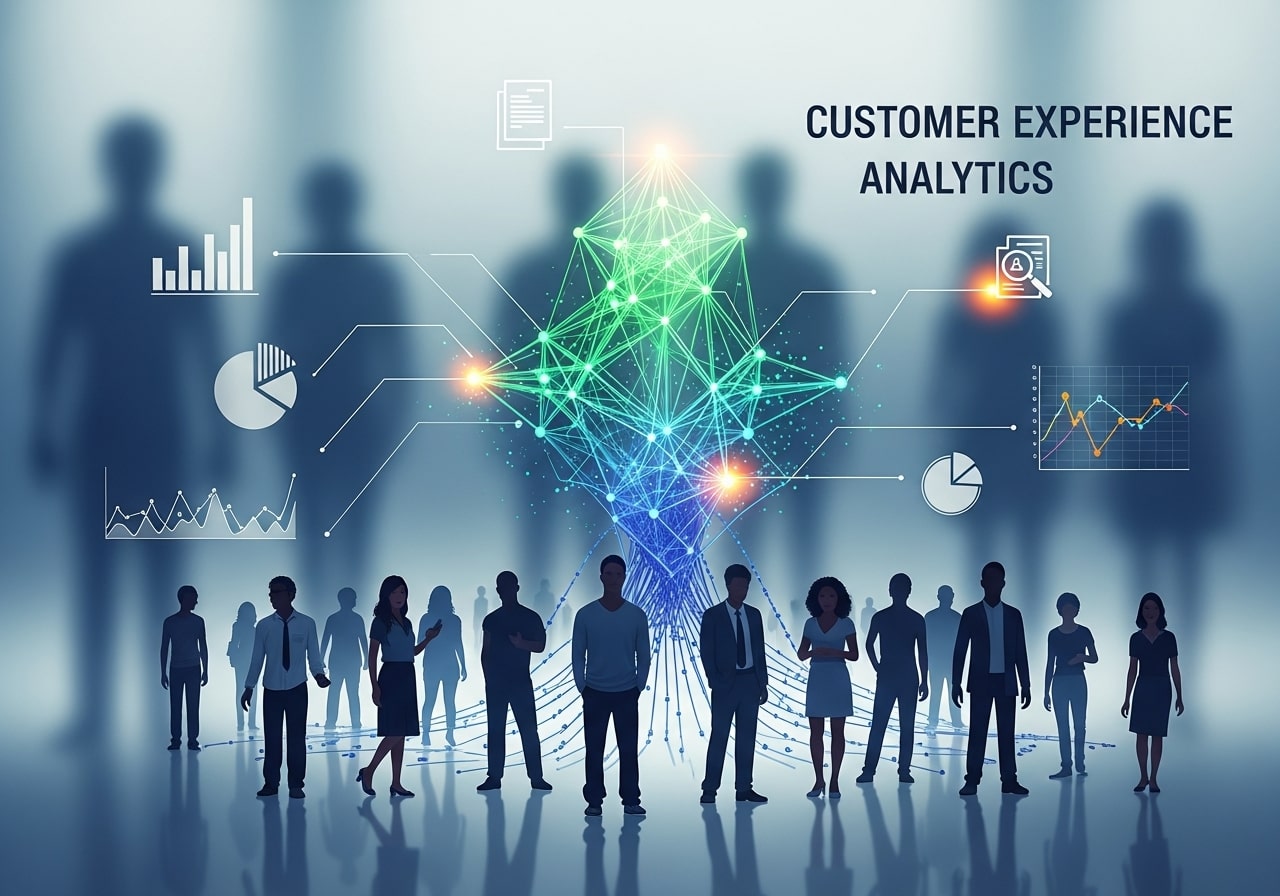
Customer Experience Analytics (CX Analytics) combines behavioral data, feedback surveys, and performance metrics to map how customers interact with your brand across channels. Unlike traditional marketing, analytics focuses solely on campaign performance, CX analytics centers on sentiment, satisfaction, and retention. It paints a holistic picture of your customers’ perceptions, pain points, and needs at every stage of the buyer’s journey.
Key Metrics to Track
To measure CX success, track both quantitative and qualitative metrics. Below are the most impactful:
- Net Promoter Score (NPS): Gauges customer loyalty by asking how likely they are to recommend your brand.
- Customer Satisfaction (CSAT): Measures satisfaction after specific interactions, such as support tickets or purchases.
- Customer Effort Score (CES): Assesses how easy customers find key processes, from browsing products to getting help.
- Churn Rate: Tracks the rate at which customers stop buying or cancel subscriptions.
- Customer Lifetime Value (CLV): Estimates total revenue from a customer over their relationship with your brand.
Data Sources for CX Analytics
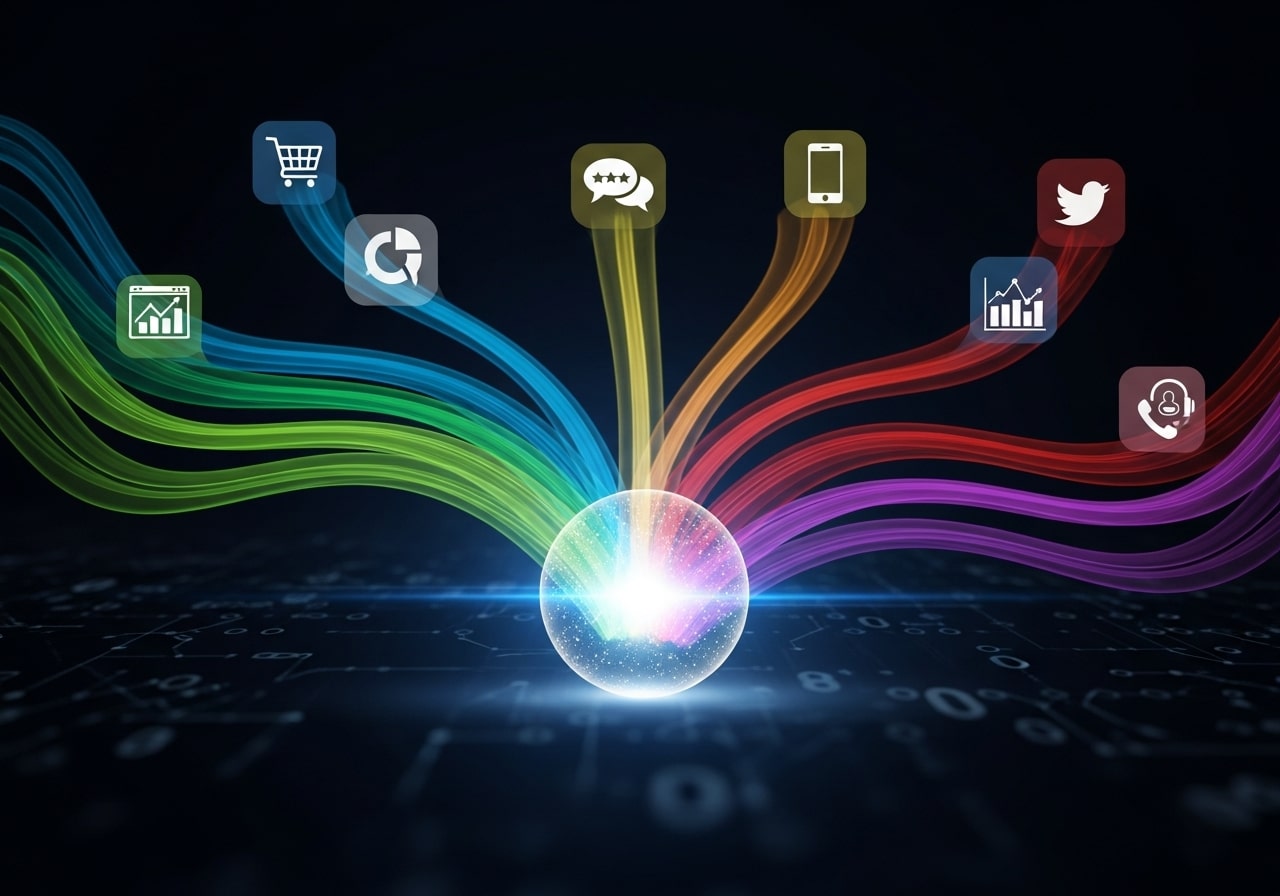
Creating a unified view of CX requires integrating multiple data sources. Key inputs include:
- Web & Mobile Analytics: Tools like Google Analytics 4 reveal on-site behavior, session length, and conversion paths.
- CRM Systems: Customer relationship management platforms store demographic details, purchase history, and support interactions.
- Social Media Monitoring: Sentiment analysis on social posts helps identify brand perception trends.
- Survey Platforms: NPS, CSAT, and CES surveys capture direct feedback at scale.
- Support & Chat Logs: Text analytics on support tickets and chat transcripts uncovers common issues.
Selecting the Right Tools & Platforms
An effective CX analytics stack combines data collection, integration, visualization, and advanced analytics. Consider these categories when choosing tools:
- Data Integration Platforms: ETL/ELT tools like Fivetran or Stitch centralize datasets into a data warehouse.
- Customer Data Platforms (CDPs): CDPs unify customer profiles, enabling personalized segmentation.
- Business Intelligence (BI) Tools: Dashboards in Looker, Tableau, or Power BI provide real-time visibility into CX metrics.
- Predictive Analytics & ML Libraries: Python, R, or built-in features in platforms like Salesforce Einstein support churn prediction and recommendation engines.
Building a Unified CX Dashboard
A centralized dashboard ensures teams have access to consistent, accurate CX data. Follow these steps:
- Define Objectives: Align dashboard metrics with strategic goals—improving retention, increasing satisfaction, or boosting referral rates.
- Map Data Sources: Identify where each metric lives and establish scheduled data syncs to your warehouse or CDP.
- Design Visuals: Use charts, heatmaps, and scorecards to communicate key findings clearly.
- Enable Drill-Downs: Allow stakeholders to explore by segment—device type, geography, campaign source, or customer tier.
- Automate Alerts: Set thresholds on critical metrics (e.g., churn rising above 5%) to trigger notifications.
Advanced Analytics Techniques
Once foundational dashboards are in place, apply advanced methods to extract deeper insights:
- Customer Segmentation: Cluster customers by behavior, value, or demographics using K-means or hierarchical clustering.
- Churn Prediction Models: Train logistic regression, decision trees, or random forests to identify at-risk customers.
- A/B & Multivariate Testing: Test website layouts, email subject lines, and in-app messages to optimize ease of use and satisfaction.
- Sentiment Analysis: Use natural language processing (NLP) to score support tickets and social media comments for tone and urgency.
Personalization & Real-Time Experience
Personalization at scale drives higher engagement and loyalty. Combine real-time analytics with rule-based or machine learning–driven personalization engines to:
- Recommend products based on browsing or purchase history
- Trigger in-app messages or push notifications when users exhibit key behaviors
- Show dynamic website content tailored to customer segments
- Adjust email marketing cadence based on engagement propensity
Understanding the Customer Journey
The customer journey is the complete set of experiences a customer has with your brand, from initial awareness to post-purchase interactions. Mapping this journey allows you to identify key touchpoints, pain points, and moments of delight. By analyzing behaviors at each stage, you can anticipate customer needs, streamline processes, and proactively address friction before it impacts satisfaction or loyalty. Effective journey mapping combines behavioral analytics, feedback, and qualitative insights to create a 360-degree view of the customer experience.
Data Collection Strategies for CX Analytics
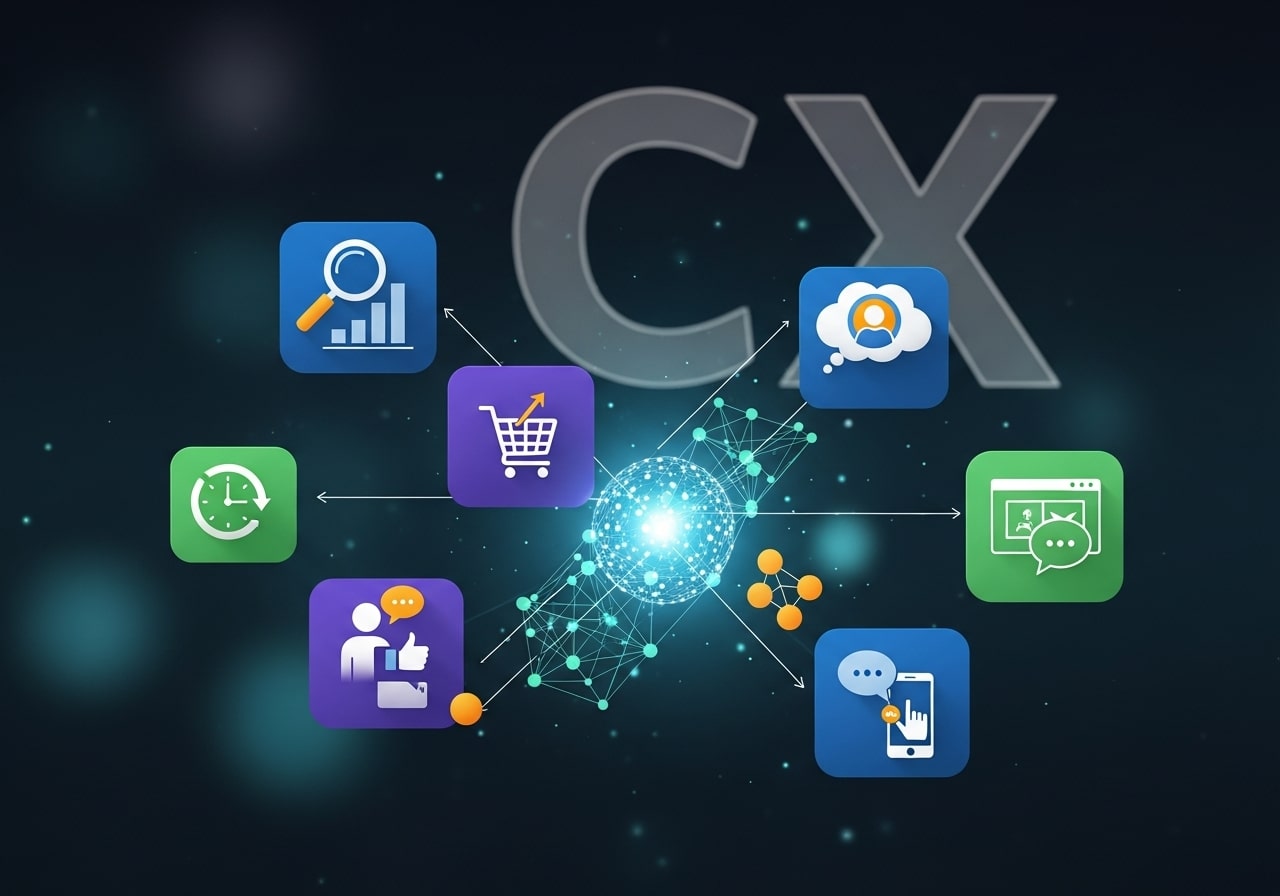
Gathering accurate and comprehensive data is the foundation of any successful CX analytics initiative. Consider multiple collection strategies, including tracking website interactions, app usage, purchase history, and customer support interactions. Surveys and direct feedback provide subjective sentiment data that complements quantitative metrics. Ensure that data is structured, standardized, and integrated from all sources to create a unified view. The goal is to capture the full story of how customers engage with your brand across every touchpoint.
Customer Segmentation and Profiling
Segmenting customers allows you to deliver highly targeted experiences. Group customers based on behavior, demographics, purchase patterns, engagement levels, or value. Profiling these segments helps you understand specific needs, preferences, and pain points. For example, a high-value frequent buyer may prioritize fast delivery and premium support, whereas a new trial user may need onboarding guidance. Advanced segmentation using machine learning techniques like clustering can uncover hidden patterns and optimize marketing efforts for maximum impact.
Real-Time Analytics and Monitoring
Real-time analytics enable businesses to respond instantly to customer actions. By monitoring engagement metrics, web behavior, and transaction patterns live, you can trigger immediate interventions such as personalized offers, onboarding prompts, or support assistance. Real-time monitoring also allows rapid detection of anomalies, like spikes in churn risk or negative sentiment, ensuring timely actions that prevent customer dissatisfaction. Integrating alerts and dashboards ensures your team can react proactively rather than retroactively.
Predictive Analytics for Customer Behavior
Predictive analytics leverages historical data and machine learning models to forecast future customer actions. Churn prediction models, for example, identify users at risk of leaving, allowing proactive retention campaigns. Similarly, predictive purchase modeling can suggest upsell or cross-sell opportunities. By anticipating behavior rather than just reacting, brands can enhance personalization, reduce churn, and increase lifetime value. Successful predictive analytics requires clean data, appropriate model selection, and continuous performance evaluation.
Optimizing Omnichannel Experiences
Customers interact with brands across multiple channels—websites, mobile apps, social media, in-store visits, and support lines. Optimizing omnichannel experiences ensures a seamless, consistent journey regardless of where the interaction occurs. Analyze channel-specific data to identify gaps or friction points, synchronize messaging, and provide continuity in service. A strong omnichannel strategy aligns marketing, sales, and support teams, creating a unified and cohesive brand experience that improves satisfaction and loyalty.
Measuring CX ROI and Business Impact
Understanding the financial and operational impact of CX initiatives is critical for demonstrating value. Track how improvements in satisfaction, retention, or engagement translate into revenue growth, cost reduction, or brand advocacy. Key metrics to measure CX ROI include CLV, repeat purchase rates, churn reduction, NPS improvement, and support cost savings. By quantifying results, you can prioritize the highest-impact initiatives, secure executive buy-in, and continuously justify investments in CX analytics programs.
Future Trends in CX Analytics
Customer experience is constantly evolving, and staying ahead requires awareness of emerging trends. AI-powered personalization, voice and conversational analytics, and advanced sentiment analysis are reshaping CX strategies. Predictive and prescriptive analytics are becoming mainstream, enabling proactive and highly customized customer interactions. Additionally, privacy regulations are pushing brands toward responsible data use and transparency. By adopting innovative tools and approaches early, companies can maintain competitive advantage and continually delight their customers.
Voice of the Customer (VoC) Programs
Voice of the Customer (VoC) programs systematically collect customer feedback across touchpoints to understand needs, expectations, and perceptions. Methods include surveys, reviews, social listening, and in-app feedback tools. Analyzing VoC data helps identify recurring pain points, unmet needs, and opportunities for improvement. Integrating VoC insights into CX analytics allows businesses to make data-driven decisions that directly address customer concerns, creating a more empathetic and responsive experience.
Journey Orchestration and Automation
Journey orchestration involves automating customer interactions based on behavior, preferences, and lifecycle stage. By combining CX analytics with marketing automation tools, you can deliver timely, contextually relevant messages and offers. For example, automated triggers can guide new users through onboarding, prompt renewals for at-risk subscribers, or deliver loyalty rewards to high-value customers. Orchestrated journeys reduce friction, enhance satisfaction, and ensure every customer receives the right experience at the right moment.
Ethical Considerations in CX Analytics
As brands collect and analyze vast amounts of customer data, ethical considerations become critical. Transparency, consent, and data security must guide every CX initiative. Adhere to regulations such as GDPR and CCPA, avoid over-personalization that may feel intrusive, and ensure unbiased analytics models. Ethical CX analytics not only protects your brand from legal and reputational risks but also builds trust, which is a key driver of long-term loyalty and customer advocacy.
Case Study: Improving Retention by 20%
A subscription-based SaaS company implemented a CX analytics dashboard combining CRM data, web behavior, and NPS surveys. By segmenting customers into high, medium, and low satisfaction tiers, they:
- Identified that new users struggled with onboarding tutorials
- Launched a tailored welcome email series using behavior triggers
- Created a churn prediction model to target at-risk accounts with proactive support
Within six months, they reduced churn by 20%, increased trial-to-paid conversions by 15%, and boosted overall NPS by 10 points.
Best Practices for CX Analytics Success
- Maintain Data Quality: Regularly audit data sources for completeness and accuracy.
- Foster Cross-Functional Collaboration: Align marketing, product, support, and data teams around common CX metrics.
- Iterate Rapidly: Use agile test-and-learn cycles to validate hypotheses and refine tactics.
- Keep Privacy & Compliance in Mind: Ensure you adhere to GDPR, CCPA, and other regulations when collecting and processing customer data.
- Measure Impact Continuously: Track how CX improvements influence revenue, retention, and customer advocacy over time.
Conclusion
Optimizing customer experience with marketing analytics is a powerful strategy to drive loyalty, increase lifetime value, and differentiate your brand. By defining clear objectives, integrating diverse data sources, building intuitive dashboards, and applying advanced analytics, you can uncover actionable insights at scale. Start small with key metrics like NPS and churn, then expand into personalized, real-time experiences that delight customers. With a data-driven mindset and the right tools, you’ll transform your CX and achieve sustainable growth.
Ready to take your customer experience to the next level? Begin by auditing your current data sources and defining your top three CX metrics. Then choose a BI tool or CDP to start building your unified dashboard. Success awaits!
Frequently Asked Questions (FAQ) – Customer Experience Analytics
1. What is Customer Experience (CX) Analytics?
CX Analytics uses behavioral data, feedback, and performance metrics to understand how customers interact with your brand. It focuses on satisfaction, sentiment, and retention, rather than just campaign performance.
2. How is CX Analytics different from traditional marketing analytics?
Traditional marketing analytics tracks conversions and campaign effectiveness. CX Analytics examines the full customer journey, uncovering friction points, satisfaction levels, and long-term engagement patterns.
3. Which metrics are most important for CX?
Key metrics include Net Promoter Score (NPS), Customer Satisfaction (CSAT), Customer Effort Score (CES), Churn Rate, and Customer Lifetime Value (CLV).
4. What data sources are used in CX Analytics?
Data comes from web and mobile analytics, CRM systems, social media monitoring, survey platforms, and support/chat logs.
5. How do I choose the right tools for CX Analytics?
Use a combination of data integration platforms (ETL/ELT), Customer Data Platforms (CDPs), BI tools (Looker, Tableau, Power BI), and predictive analytics libraries or built-in ML features.
6. Why is building a unified CX dashboard important?
A centralized dashboard ensures teams have consistent data, visualizes trends, enables segmentation, and allows automated alerts for critical metrics like rising churn.
7. How can advanced analytics improve CX?
Techniques like customer segmentation, churn prediction models, A/B testing, and sentiment analysis provide deeper insights into behavior, enabling targeted interventions and personalized experiences.
8. How can personalization enhance customer experience?
Real-time personalization uses browsing history, purchase behavior, and engagement data to deliver dynamic content, product recommendations, push notifications, and tailored email sequences.
9. What are best practices for successful CX Analytics?
Maintain data quality, foster cross-functional collaboration, iterate rapidly, ensure privacy compliance, and continuously measure CX impact on retention and revenue.
10. How do I start implementing CX Analytics?
Begin by auditing your data sources, defining key CX metrics, and selecting a BI tool or CDP. Build dashboards incrementally and expand into predictive analytics and real-time personalization as capabilities grow.
 Donald Abel