
Event marketing without proper analytics is like driving blindfolded. You might reach your destination, but you’ll likely take several wrong turns, waste resources, and miss countless opportunities along the way. Marketing analytics transforms event planning from educated guesswork into strategic decision-making, helping marketers maximize ROI and create experiences that truly resonate with their audience.
Why Marketing Analytics Matter for Event Success
Traditional event marketing often operates on assumptions. Marketers assume they know their audience, assume certain channels will drive registrations, and assume their content will engage attendees. Analytics replaces these assumptions with concrete data, revealing what actually works and what doesn’t.
Data-driven event marketing delivers measurable benefits. Organizations using marketing analytics report 23% higher registration rates compared to those relying on traditional methods. They also see improved attendee satisfaction scores and generate more qualified leads per event. These improvements stem from making informed decisions based on real audience behavior rather than guesswork.
Marketing analytics also enables continuous improvement. Each event becomes a learning opportunity, generating insights that enhance future events. This iterative approach compounds over time, leading to increasingly successful events and stronger ROI.
Essential Metrics to Track Before Your Event
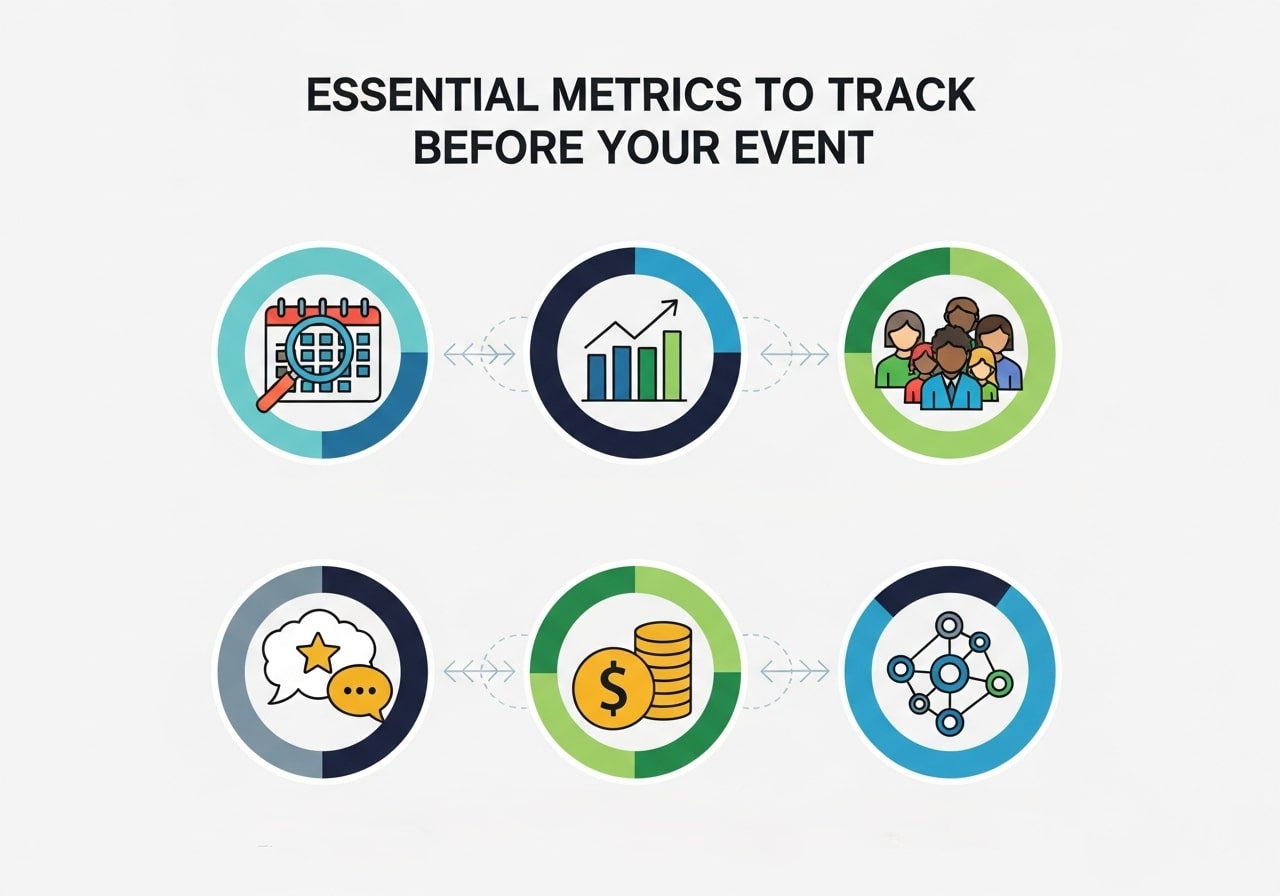
Pre-event metrics set the foundation for success. Registration data provides the first glimpse into audience interest and helps predict attendance patterns. Track not just total registrations, but also registration velocity, source attribution, and demographic breakdowns.
Marketing channel performance reveals which promotional efforts drive the best results. Compare email open rates, social media engagement, paid advertising click-through rates, and website traffic patterns. This data helps optimize budget allocation across channels and identifies the most effective messaging for different audience segments.
Engagement metrics during the registration process also provide valuable insights. Monitor form abandonment rates, time spent on event pages, and content downloads. High abandonment rates might indicate overly complex registration forms, while low page engagement could signal unclear value propositions.
Speaker and content preview engagement offers another layer of insight. Track which speakers generate the most interest, which session descriptions drive engagement, and which content topics resonate most with your audience. This information helps fine-tune the event agenda and promotional messaging.
Real-Time Analytics During Your Event
Live events generate enormous amounts of data that can guide real-time optimizations. Session attendance patterns reveal which topics captivate your audience and which fall flat. Use this information to adjust future session timing, modify content on the fly, or reallocate resources to high-performing areas.
Engagement metrics during sessions provide immediate feedback on content effectiveness. Track participation rates in polls, Q&A submissions, chat activity, and breakout room engagement. Low engagement signals the need for format changes or content adjustments.
For virtual and hybrid events, technical performance metrics become crucial. Monitor connection quality, platform stability, and user experience issues. Address problems quickly to maintain attendee satisfaction and prevent drop-offs.
Social media monitoring during events reveals real-time sentiment and amplifies successful moments. Track hashtag usage, mentions, shares, and user-generated content. Positive buzz can be amplified through strategic social media engagement, while negative feedback can be addressed before it spreads.
Personalization Through Analytics
Marketing analytics enables personalized event experiences. By analyzing attendee data such as interests, past event behavior, and engagement patterns, organizers can tailor content, session recommendations, and networking opportunities for each participant. Personalized experiences increase satisfaction, encourage participation, and boost loyalty for future events. Data-driven personalization also allows marketers to segment audiences effectively, ensuring that promotional messaging and event reminders reach the right people at the right time. Over time, this targeted approach strengthens relationships with attendees, enhances the perceived value of the event, and maximizes the return on marketing investment while creating memorable, relevant experiences.
Predictive Analytics for Event Planning
Predictive analytics leverages historical data to forecast event performance and attendee behavior. By examining trends from past events, such as registration patterns, session popularity, and engagement rates, marketers can anticipate attendance, identify high-interest topics, and allocate resources efficiently. Predictive insights also guide marketing campaigns, budget planning, and content development to reduce risks and increase ROI. For hybrid or virtual events, predictive modeling can forecast technical issues or peak traffic periods, enabling proactive solutions. By using data to anticipate outcomes rather than react, predictive analytics transforms event planning into a strategic, proactive process that minimizes surprises and maximizes overall event success.
Optimizing Event Marketing Channels
Analytics helps identify which marketing channels drive registrations, engagement, and conversions most effectively. By tracking email campaigns, social media, paid ads, and website traffic, marketers can allocate budgets strategically to high-performing channels. Continuous monitoring allows adjustments in real-time, such as increasing ad spend on effective platforms or refining messaging where engagement is low. Multi-channel analysis also highlights audience preferences and behavior across different platforms, enabling more targeted outreach. Ultimately, understanding channel performance ensures that marketing efforts are not wasted and that every dollar contributes to measurable results. Optimized channel strategies improve attendance rates, engagement, and overall event ROI.
Measuring Attendee Engagement
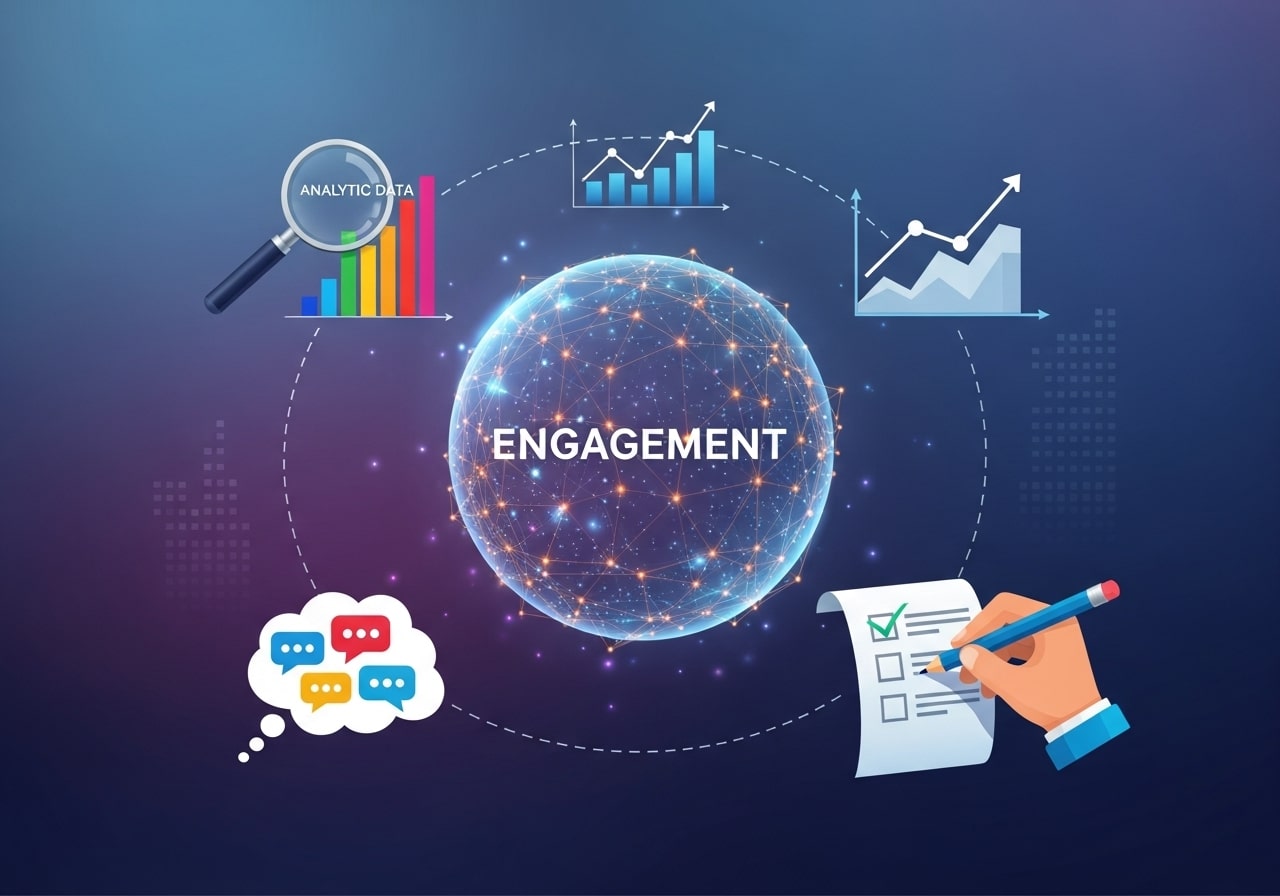
Attendee engagement is critical to event success. Analytics provides insights into participation levels, session attendance, poll responses, chat activity, and networking interactions. High engagement indicates that content resonates with attendees, while low engagement signals the need for adjustments. Tracking engagement in real-time allows organizers to make immediate improvements, such as introducing interactive elements, adjusting session timing, or encouraging more participation. Post-event, analyzing engagement patterns helps refine future event agendas, speaker selection, and content strategy. By measuring engagement effectively, marketers can ensure that their events provide value, maintain attendee interest, and leave a lasting impression that supports long-term business objectives.
Enhancing Sponsorship Value with Data
Sponsors are increasingly interested in measurable outcomes. Marketing analytics allows event organizers to demonstrate the value of sponsorships through quantifiable metrics such as attendee reach, engagement levels, lead generation, and content interactions. By providing detailed reports and dashboards, organizers can show which sponsor activities were most effective and how their brand connected with the audience. Data also enables personalized sponsor activation strategies, ensuring their messaging aligns with attendee interests. This transparency strengthens sponsor relationships, encourages future partnerships, and can justify higher sponsorship fees. Analytics ultimately turns sponsorships into mutually beneficial investments backed by measurable performance.
Continuous Learning and Improvement
Marketing analytics transforms each event into a learning opportunity. By systematically collecting and analyzing data from pre-event, live, and post-event stages, organizers can identify successes, challenges, and trends. This feedback loop enables continuous improvement, from optimizing registration processes to enhancing session content and marketing campaigns. Iterative learning allows event teams to refine their strategies with every iteration, leading to more efficient planning, higher engagement, and stronger ROI. Over time, organizations build a knowledge base of insights that inform long-term event strategies. A culture of continuous learning ensures events evolve to meet audience expectations while maintaining measurable business value.
Post-Event Analysis That Drives Future Success
Post-event analysis transforms raw data into actionable insights. Attendance patterns reveal which sessions delivered the highest value and which topics generated the most interest. Use this information to guide future content development and speaker selection.
Lead quality metrics determine whether your event attracted the right audience. Analyze lead scores, conversion rates, and sales pipeline progression. High attendance with low-quality leads might indicate targeting issues, while strong lead quality validates your audience strategy.
Satisfaction surveys provide qualitative insights that complement quantitative data. Combine survey responses with behavioral data to understand why attendees rated sessions highly or poorly. This dual approach reveals both what happened and why it happened.
ROI calculations demonstrate event value to stakeholders and guide budget decisions. Track direct revenue attribution, pipeline influence, brand awareness lift, and customer acquisition costs. Comprehensive ROI analysis justifies event investments and identifies areas for optimization.
Tools and Technologies for Event Analytics
Modern marketing analytics platforms offer sophisticated event tracking capabilities. Customer relationship management systems integrate with event platforms to provide end-to-end visibility into the attendee journey. Marketing automation tools enable detailed campaign tracking and lead-nurturing workflows.
Event-specific analytics platforms provide specialized insights for virtual and hybrid events. These tools track engagement metrics, session performance, and networking activities that traditional analytics platforms might miss. Choose platforms that integrate seamlessly with your existing marketing technology stack.
Social media analytics tools monitor brand mentions, hashtag performance, and sentiment analysis across platforms. These insights help measure event reach beyond registered attendees and identify opportunities for community building.
Business intelligence platforms consolidate data from multiple sources, creating comprehensive dashboards that tell the complete event story. These tools enable advanced analysis techniques like cohort analysis, predictive modeling, and attribution analysis.
Building a Data-Driven Event Marketing Strategy

Successful data-driven event marketing begins with clear objectives and defined success metrics. Establish specific, measurable goals for each event, such as registration targets, engagement benchmarks, and lead generation quotas. These goals provide the framework for analytics implementation and success measurement.
Create standardized tracking processes that ensure consistent data collection across all events. Develop templates for campaign setup, naming conventions for tracking parameters, and documentation procedures for data analysis. Consistency enables meaningful comparisons between events and accurate trend analysis.
Implement testing frameworks that enable continuous optimization. A/B test email subject lines, landing page designs, pricing strategies, and promotional messaging. Use statistical significance testing to ensure results are reliable and actionable.
Regular reporting cycles keep stakeholders informed and maintain accountability. Develop automated dashboards that provide real-time visibility into key metrics, supplemented by detailed analysis reports after each event. Regular reporting also helps identify trends and patterns that might not be apparent from individual event analysis.
Your Next Steps Toward Smarter Event Marketing
Marketing analytics transforms event marketing from an art into a science. By measuring what matters, testing continuously, and learning from every interaction, event marketers can create experiences that truly resonate with their audiences while delivering measurable business value.
Start by auditing your current analytics capabilities and identifying gaps in data collection or analysis. Implement tracking for your next event, focusing on a few key metrics rather than trying to measure everything at once. As your analytics capabilities mature, expand your measurement scope and analysis sophistication.
Remember that analytics are only valuable when they drive action. Use insights to make concrete improvements to your events, test new approaches, and continuously refine your strategy. The goal isn’t perfect data—it’s better decisions that lead to more successful events.
Frequently Asked Questions (FAQ)
1. What is event marketing analytics?
Event marketing analytics is the process of collecting, measuring, and analyzing data from all stages of an event—pre-event, during the event, and post-event. It helps marketers understand attendee behavior, campaign performance, and overall ROI, allowing them to make informed decisions and optimize future events.
2. Why is analytics important for event marketing?
Analytics replaces guesswork with data-driven decisions. It helps identify which marketing channels, content, and sessions work best, improves attendee engagement, ensures better targeting, and measures the return on investment for events.
3. Which metrics should I track before an event?
Track registration numbers, registration velocity, source attribution, demographic breakdowns, email open rates, social media engagement, website traffic patterns, form abandonment rates, and speaker/content preview interactions. These metrics help predict attendance and optimize promotions.
4. What real-time metrics are valuable during an event?
Monitor session attendance, poll participation, Q&A engagement, chat activity, breakout room interactions, technical performance (connection quality), and social media mentions. Real-time insights allow immediate adjustments to improve attendee experience.
5. How can post-event analytics improve future events?
Post-event analysis reveals which sessions were most engaging, lead quality, attendee satisfaction, and ROI. Combining quantitative data with survey feedback helps refine content, optimize targeting, and improve planning for subsequent events.
6. What tools can help with event marketing analytics?
Popular tools include CRM systems, marketing automation platforms, event-specific analytics software, social media monitoring tools, and business intelligence platforms. These enable tracking attendee behavior, engagement, and ROI across multiple channels.
7. How do I build a data-driven event marketing strategy?
Set clear objectives and measurable goals, standardize tracking processes, implement testing frameworks (e.g., A/B testing), and establish regular reporting cycles. Use insights from analytics to continuously optimize campaigns, content, and attendee experience.
8. Can analytics increase ROI for events?
Yes. By identifying high-performing channels, optimizing engagement strategies, and targeting the right audience, analytics helps improve registrations, lead quality, satisfaction, and revenue, resulting in higher ROI.
9. How often should event data be analyzed?
Event data should be monitored before, during, and after each event. Continuous tracking allows marketers to respond in real time, identify trends, and implement improvements for current and future events.
10. What’s the biggest mistake in event marketing analytics?
A common mistake is collecting data without acting on it. Analytics are only valuable if insights drive decisions and improvements. Focus on key metrics, interpret them correctly, and use them to refine strategy rather than tracking everything indiscriminately.