
The numbers don’t lie, but they don’t always tell the whole story either. Most businesses collect mountains of marketing data yet struggle to transform those insights into qualified leads. The difference between companies that generate a steady stream of high-quality prospects and those that don’t often comes down to how effectively they leverage marketing analytics.
Track the Right Lead Generation Metrics

Most companies track leads, but few track lead quality effectively. The distinction matters more than you might think. Focusing solely on lead volume can fill your pipeline with prospects who will never convert, while the right marketing analytics approach helps you identify and prioritize leads most likely to become customers.
Start by implementing lead scoring based on behavioral data. Track which content pieces your highest-value prospects engage with before converting. Monitor time spent on key pages, download patterns, and email engagement rates. These behavioral signals often predict conversion likelihood better than demographic data alone.
Revenue attribution provides another crucial lens for evaluating lead quality. Connect your marketing analytics tools to your CRM system to track which marketing channels and campaigns generate leads that actually close. This visibility allows you to double down on the tactics that produce paying customers rather than just inquiries.
Consider implementing cohort analysis for your leads as well. Group prospects by acquisition channel, time period, or campaign source, then track their progression through your sales funnel over time. This approach reveals patterns that lead sources produce faster conversions and higher lifetime values.
Optimize Your Conversion Funnel Using Data
Your analytics dashboard contains a roadmap for funnel optimization, but most businesses only scratch the surface of what’s possible. The key lies in identifying specific friction points where prospects drop off and testing targeted solutions to address those barriers.
Heat mapping and user session recordings provide powerful insights into how prospects interact with your key conversion pages. Look for patterns in where visitors hesitate, scroll back up, or abandon forms partway through completion. These behavioral signals often reveal UX issues that traditional analytics miss.
A/B testing becomes exponentially more effective when guided by solid marketing analytics. Instead of testing random elements, use your funnel data to identify the biggest drop-off points, then run experiments specifically designed to address those issues. Test form length, headline variations, and call-to-action placement based on actual user behavior patterns.
Segment your funnel analysis by traffic source as well. Visitors from different channels often behave differently and respond to different messaging. Your social media traffic might convert better with social proof elements, while search traffic might prefer detailed product information. Tailoring the experience based on these insights can significantly improve conversion rates.
Marketing Analytics Metrics That Signal Lead Readiness
Not all leads are created equal, and marketing analytics helps separate casual visitors from sales-ready prospects. By tracking intent-driven and behavior-based metrics, marketers can identify which leads are actively moving toward a purchase decision. These metrics go beyond surface-level engagement and reveal true buying signals.
Focusing on lead readiness metrics ensures sales teams spend time on prospects most likely to convert, while marketing teams refine campaigns that attract high-intent users.
Key Lead Readiness Metrics to Track
- Engagement Depth: Measures how deeply users interact with content (pages per session, scroll depth)
- Repeat Visits: Indicates sustained interest and consideration
- Content Interaction: Tracks downloads, webinar attendance, and demo requests
- Email Engagement Rate: Signals responsiveness to nurturing campaigns
- Time-to-Conversion: Reveals how quickly leads move through the funnel
Lead Readiness Metrics Table
| Marketing Analytics Metric | What It Measures | Why It Matters |
|---|---|---|
| Pages per Session | Depth of website engagement | Higher depth = stronger interest |
| Repeat Visitor Rate | Returning prospects | Indicates evaluation behavior |
| Content Downloads | Interest in gated assets | Strong intent signal |
| Email Click Rate | Engagement with nurturing | Predicts conversion likelihood |
| Time-to-Conversion | Funnel speed | Helps prioritize fast-moving leads |
Using marketing analytics tools, these metrics can be combined into a lead readiness score, enabling smarter sales handoffs and higher close rates.
How Marketing Analytics Improves Sales and Marketing Alignment
One of the most overlooked benefits of marketing analytics is its role in aligning sales and marketing teams. When both teams rely on the same data, definitions of “qualified leads” become clearer, and collaboration improves dramatically.
Shared analytics dashboards ensure transparency, reduce friction, and help both teams focus on revenue-driving activities instead of assumptions.
Ways Marketing Analytics Strengthens Alignment
- Creates a single source of truth for lead performance
- Defines clear MQL and SQL criteria using data
- Improves feedback loops between sales outcomes and marketing efforts
- Helps marketing optimize campaigns based on closed-won data
- Reduces lead leakage and follow-up delays
Sales & Marketing Alignment Metrics Table
| Metric | Used By | Alignment Benefit |
|---|---|---|
| Lead-to-Customer Rate | Marketing & Sales | Measures lead quality accuracy |
| Sales Cycle Length | Sales | Identifies funnel friction |
| Revenue by Campaign | Marketing | Proves ROI impact |
| Follow-Up Time | Sales | Improves conversion chances |
| Closed-Won Source | Marketing | Optimizes acquisition channels |
When marketing analytics connects campaign data with CRM and sales outcomes, teams move from isolated efforts to a revenue-focused growth engine.
Harnessing Real-Time Analytics for Agile Marketing
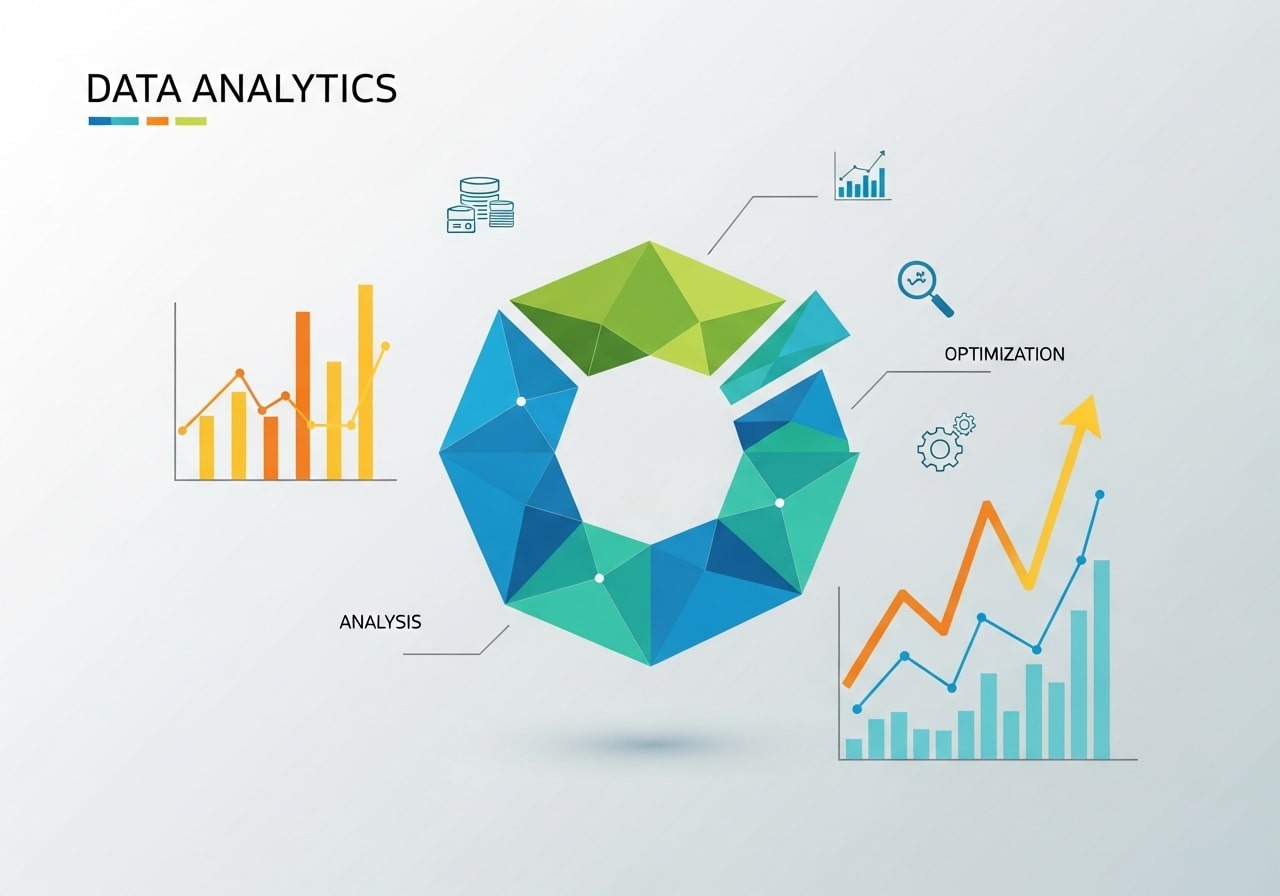
Real-time marketing analytics allows businesses to respond instantly to emerging trends and user behavior. By monitoring clicks, downloads, social engagement, and website interactions as they happen, marketers can identify which campaigns are underperforming and which are generating high-quality leads. This agile approach enables quick adjustments, such as optimizing ad creative, changing content placement, or retargeting engaged prospects immediately. Real-time insights also help prevent lost opportunities, ensuring your team focuses on the most promising leads first. Businesses that embrace live analytics often see higher conversion rates, reduced marketing waste, and faster ROI on campaigns.
Integrating Cross-Channel Data for Unified Insights
Many businesses operate across multiple marketing channels, from email and social media to paid ads and SEO. Cross-channel analytics consolidates data from all sources, giving a holistic view of how prospects interact with your brand. This integration highlights which channels influence conversions most, how different touchpoints work together, and where marketing efforts overlap or underperform. By unifying these insights, teams can allocate budget and resources more efficiently, personalize campaigns based on a prospect’s full journey, and eliminate siloed decision-making. Cross-channel analysis ultimately creates a seamless customer experience, driving higher-quality leads and stronger long-term engagement.
Leveraging AI for Smarter Lead Predictions
Artificial intelligence can process massive amounts of marketing data faster than any human team. By analyzing historical trends, engagement patterns, and conversion behavior, AI models can predict which leads are most likely to convert and when. This predictive capability allows marketers to prioritize high-value prospects, personalize content, and trigger automated follow-ups at optimal times. AI can also identify patterns invisible to standard analytics, such as hidden correlations between content types and buying behavior. Companies that adopt AI-driven lead prediction often achieve higher conversion rates, more efficient sales workflows, and a measurable increase in marketing ROI.
Data-Driven Content Strategy for Lead Generation
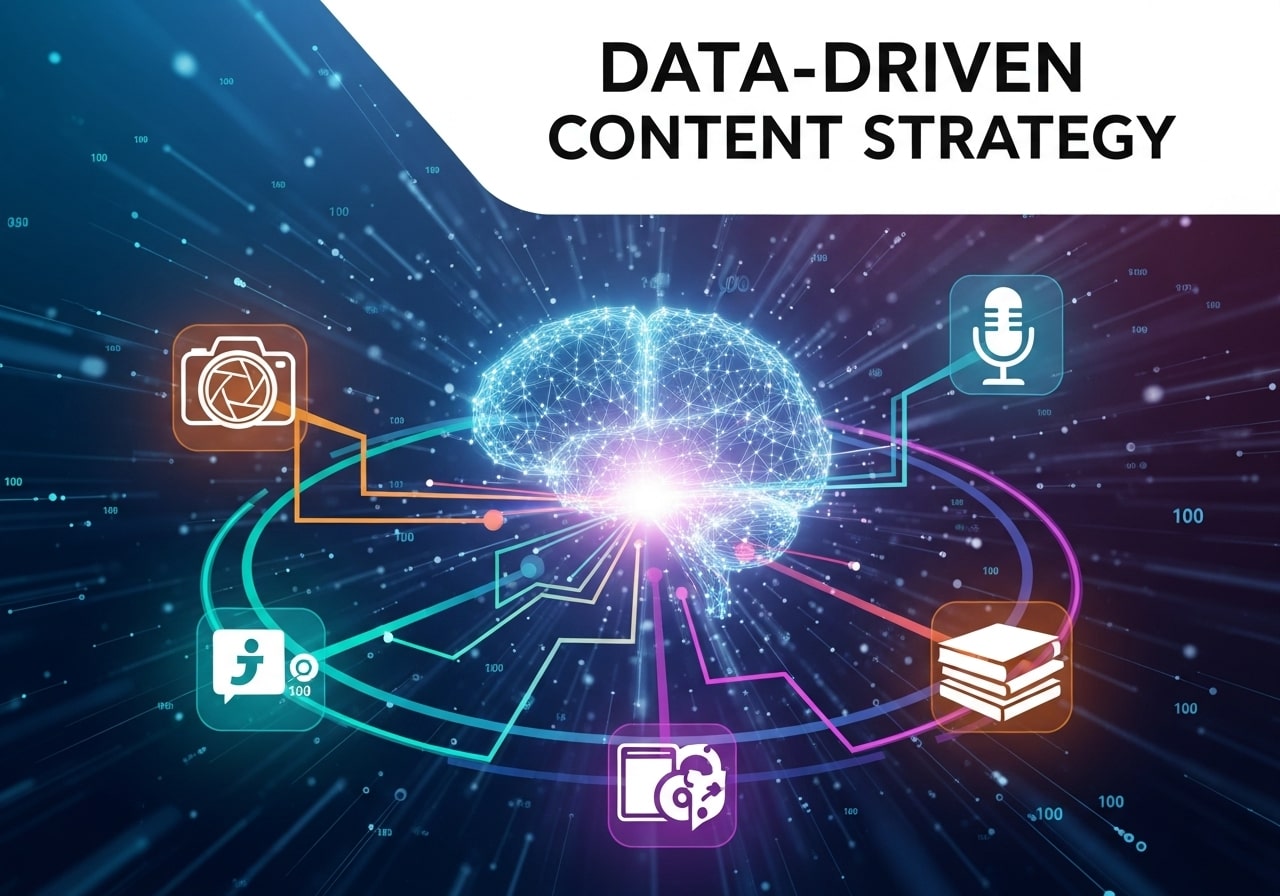
Marketing analytics can guide your content strategy to attract and nurture the right leads. By examining which content formats, topics, and channels drive engagement, clicks, and conversions, businesses can focus on producing high-impact materials. Behavioral and engagement data reveal not only what users consume but how they interact with it, providing insights for personalization and retargeting. Incorporating analytics into content planning ensures resources are spent on campaigns that resonate with your audience and move prospects through the sales funnel efficiently. Data-driven content strategies improve lead quality, shorten conversion cycles, and maximize the ROI of marketing efforts.
Leverage Predictive Analytics for Lead Scoring

Traditional lead scoring relies on static criteria, but predictive analytics takes a more sophisticated approach. By analyzing patterns in your historical data, you can identify the combination of factors that most reliably predict conversion likelihood.
Machine learning algorithms can process far more variables than manual scoring systems. They might discover that prospects who visit your pricing page twice in the first week are 3x more likely to convert, or that leads from specific geographic regions have higher lifetime values. These insights become the foundation for more accurate lead prioritization.
Implement dynamic lead scoring that updates in real-time based on ongoing behavior. A prospect’s score should increase when they download multiple resources, attend a webinar, or engage with your email campaigns. This approach ensures your sales team always focuses on the hottest leads first.
Use predictive analytics to identify at-risk leads as well. If your data shows that leads typically convert within 30 days or not at all, you can trigger automated nurture sequences for prospects approaching that threshold. This proactive approach often rescues leads that would otherwise go cold.
Implement Advanced Attribution Models
Last-click attribution tells only part of the story. Modern buyers interact with multiple touchpoints before converting, and understanding the full customer journey requires more sophisticated marketing analytics approaches.
Multi-touch attribution reveals how different channels work together to generate leads. You might discover that social media doesn’t directly drive many conversions but plays a crucial role in initial awareness for prospects who later convert through search or email. This insight prevents you from cutting effective upper-funnel activities that don’t show obvious direct ROI.
Time-decay attribution models give more credit to touchpoints closer to conversion while still acknowledging earlier interactions. This approach often provides a more realistic view of channel effectiveness than equal-weight attribution models.
Consider implementing custom attribution models that reflect your specific sales cycle. If your typical prospect researches for 3-6 months before buying, weigh your attribution accordingly. B2B companies with longer sales cycles especially benefit from this approach since it properly values early-stage touchpoints.
Use Behavioral Segmentation for Personalization
Generic marketing messages generate generic results. Behavioral segmentation based on marketing analytics allows you to deliver personalized experiences that resonate with specific prospect types.
Create segments based on engagement patterns. High-engagement prospects who consume lots of content might appreciate detailed case studies and whitepapers, while low-engagement visitors might respond better to concise video explanations or interactive demos. Tailor your nurture sequences accordingly.
Purchase intent signals provide another powerful segmentation opportunity. Prospects who visit pricing pages, request demos, or engage with bottom-funnel content show higher buying intent than those consuming general educational material. Prioritize these high-intent prospects for sales outreach while continuing to nurture earlier-stage leads.
Geographic and firmographic data combined with behavioral insights create even more targeted segments. A small business owner browsing your enterprise features might need different messaging than a large company evaluating your basic plan. These nuanced segments often produce significantly higher conversion rates.
Automate Data-Driven Lead Nurturing
Marketing automation becomes truly powerful when guided by solid analytics insights. Instead of generic drip campaigns, create nurture sequences that adapt based on prospect behavior and engagement patterns.
Trigger-based campaigns respond to specific actions prospects take. When someone downloads a particular resource, attends a webinar, or visits key pages, automated sequences can deliver relevant follow-up content that builds on their demonstrated interests. This approach feels more personalized and typically generates higher engagement.
Use engagement scoring to determine campaign frequency and intensity. Highly engaged prospects might appreciate daily emails during a launch sequence, while less engaged leads might respond better to weekly touchpoints. Let your marketing analytics guide these decisions rather than relying on guesswork.
Implement win-back campaigns for leads showing declining engagement. When prospects stop opening emails or visiting your website, automated sequences can attempt to re-engage them with special offers, surveys, or valuable content. These campaigns often rescue leads that would otherwise be lost.
Continuously Test and Optimize Your Approach
The most effective lead generation systems evolve continuously based on new data and insights. Establish regular review cycles to analyze performance trends and identify optimization opportunities.
Set up automated alerts for significant changes in key metrics. If conversion rates drop suddenly or the cost per lead spikes, you want to know immediately rather than discovering the issue weeks later in a monthly report. Quick responses to negative trends prevent small problems from becoming major issues.
Document your findings and create a testing roadmap based on analytical insights. Keep a running list of hypotheses generated from your marketing analytics, then prioritize tests based on potential impact and ease of implementation. This systematic approach ensures you’re always improving based on data rather than assumptions.
Transform Your Data Into Revenue
Marketing analytics only creates value when insights translate into action. The companies that successfully 10x their lead pipelines don’t just collect better data—they build systematic processes for turning that data into strategic decisions and tactical improvements.
Start by auditing your current analytics setup to identify gaps and opportunities. Focus on connecting the dots between marketing activities and actual revenue generation. Then implement these strategies systematically, measuring results and refining your approach based on what you learn.
The goal isn’t perfect data or flawless campaigns—it’s continuous improvement guided by reliable insights. Master these marketing analytics fundamentals, and you’ll build a lead generation system that consistently delivers qualified prospects ready to buy.
Frequently Asked Questions (FAQ)
1. What is marketing analytics for lead generation?
Marketing analytics involves collecting, measuring, and analyzing data from marketing campaigns to identify which activities generate high-quality leads. By using insights from user behavior, engagement, and conversions, businesses can optimize campaigns, prioritize leads, and improve ROI.
2. Which metrics are most important for lead quality?
Focus on behavioral metrics (page visits, resource downloads, email engagement), conversion rates, time spent on content, and revenue attribution. Avoid vanity metrics like total website visits or social media likes, as they don’t always reflect purchase intent.
3. How does predictive lead scoring work?
Predictive lead scoring uses historical data and machine learning to estimate which prospects are most likely to convert. Scores update dynamically based on actions like content downloads, demo requests, or repeated website visits, helping sales prioritize high-potential leads.
4. What is multi-touch attribution?
Multi-touch attribution assigns credit to multiple marketing touchpoints that contribute to a conversion. This gives a realistic view of how campaigns work together, rather than overvaluing the last click before a sale.
5. How can behavioral segmentation improve results?
Segmenting prospects based on engagement patterns, purchase intent, or firmographic data allows for personalized messaging and nurture campaigns. Tailored communications often produce higher conversion rates than generic mass campaigns.
6. What role does marketing automation play in analytics-driven lead generation?
Automation delivers personalized, trigger-based campaigns based on prospect behavior. It ensures timely follow-ups, nurtures leads efficiently, and frees marketing teams to focus on strategic optimization rather than manual processes.
7. How often should I review marketing analytics data?
Weekly monitoring helps catch short-term trends or anomalies, while monthly or quarterly reviews provide insights for strategy adjustments. Continuous testing and optimization are essential for sustained improvement.
8. Can small businesses benefit from marketing analytics?
Yes. Even small businesses can leverage analytics to identify high-value leads, optimize campaigns, and focus resources on strategies that generate actual revenue rather than chasing vanity metrics.
9. What common mistakes should I avoid?
Avoid tracking the wrong metrics, ignoring lead quality, using static scoring systems, or neglecting multi-touch attribution. Also, don’t rely solely on assumptions—always let data guide testing and optimization.
10. How do I turn marketing analytics into revenue?
Connect analytics insights directly to campaigns, sales follow-ups, and lead nurturing processes. Test and optimize strategies based on real data, focus on high-quality leads, and systematically measure the impact on conversions and revenue.