
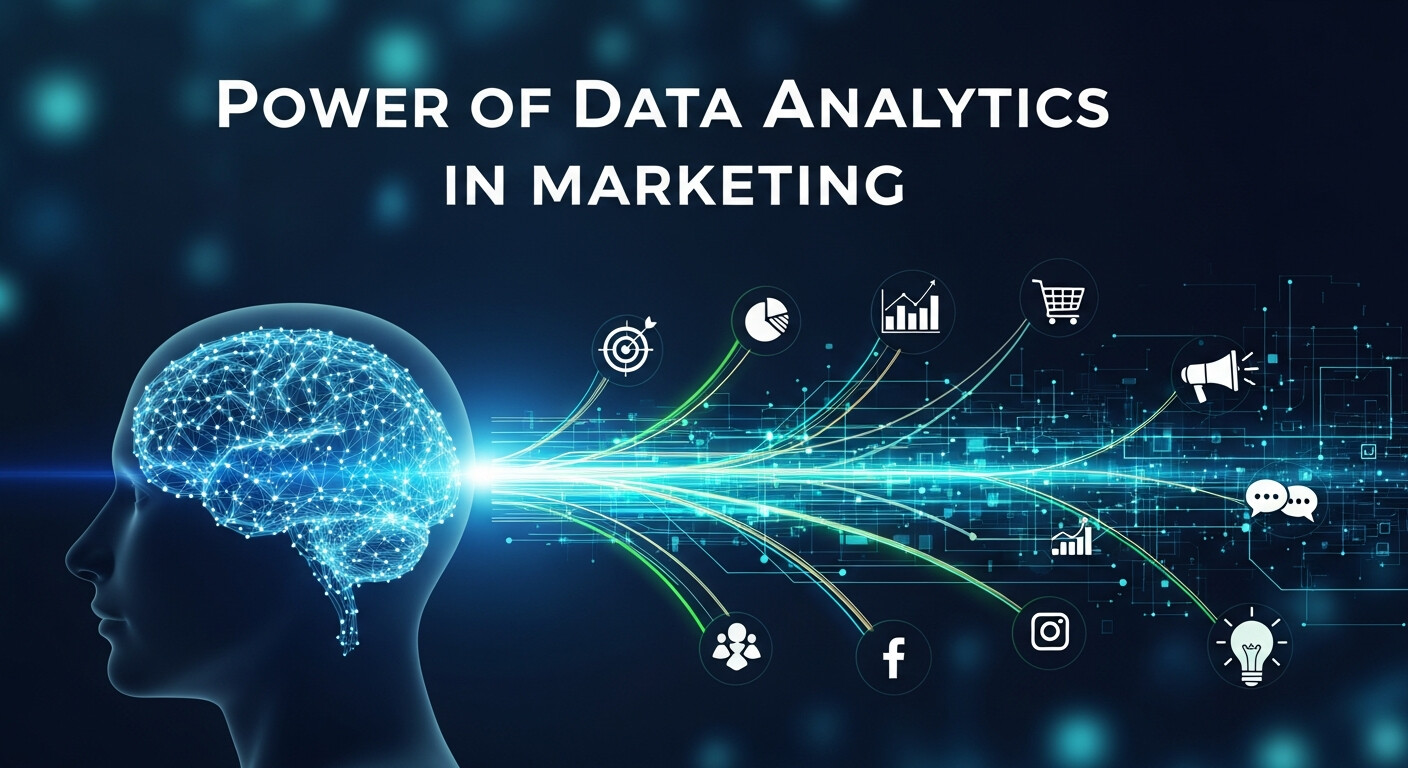
Marketing might be an art, but in the digital age, it is increasingly becoming a science where data-driven insights replace guesswork to ensure consistent business growth and precision.
This guide explores the power of data analytics in marketing, covering essential KPIs like CAC and CLV, top-tier tools such as Google Analytics, and real-world success stories. We also examine future trends like AI-driven forecasting and privacy-centric strategies to help you master modern digital marketing.
The Power of Data Analytics in Marketing: The New Frontier
The modern marketplace is no longer a game of “gut feelings.” Gone are the days of finger-in-the-air hoping; data is now the definitive game-changer. Companies that harness the power of data analytics in marketing can discover critical truths, launching focused campaigns they can fine-tune to the nth degree.
Whether you are a startup or a global enterprise, understanding the digital marketing analytics landscape is the difference between leading the market and falling behind. By integrating marketing analytics data into your core operations, you move from a reactive stance to a proactive strategy.
1. Understanding Key Marketing Metrics (KPIs)
Before the power of data analytics in marketing can be fully realized, you must identify what to measure. Marketing equity KPIs allow you to monitor the pulse of your brand.
- Conversion Rate: The percentage of users taking a desired action. This measures the efficacy of your brand positioning strategy.
- Customer Acquisition Cost (CAC): Essential for measuring the efficiency of your inbound marketing and outbound marketing efforts.
- Return on Investment (ROI): The ultimate metric for any marketing analytics hacks you employ.
- Customer Lifetime Value (CLV): Paired with CAC, CLV helps assess long-term profitability and brand loyalty.
- Engagement Metrics: Tracking CTR and bounce rates provides a window into brand perception in marketing.
2. Essential Marketing Analytics Tools
To unlock the power of data analytics in marketing, you need the right infrastructure. These marketing analytics tools are industry standards:
| Tool | Primary Use | Best For |
| Google Analytics | Web Traffic Analysis | Advanced Web Analytics |
| HubSpot | CRM & Lead Tracking | Inbound Marketing |
| Tableau | Data Visualization | Brand Audit & Reporting |
| SEMrush | SEO & Competitor Data | Measuring SEO Success |
| Power BI | Enterprise Business Intel | Integrated Marketing |
3. Case Studies: Data Success in Action
The power of data analytics in marketing is best seen through those who have mastered it:
- Netflix: Uses predictive trend marketing to reduce churn. Their recommendation engine is a prime example of personal brand strategy on a global scale.
- Coca-Cola: Utilizes consumer brand marketing data to optimize supply chains and personalize promotions, boosting brand awareness.
- Airbnb: Their pricing algorithm is a masterclass in real-time trend marketing, adjusting host prices based on location, demand, and seasonality.
4. Exploring the Future: AI and Beyond
The future of the power of data analytics in marketing lies in automation and intelligence.
- AI-Driven Trend Marketing: AI is taking analytics to the next level by automating decision-making.
- Predictive Analytics: Shifting from reactive to proactive strategies.
- Privacy-Centric Analytics: Navigating the dark side of viral marketing and data collection by prioritizing user consent (GDPR/CCPA).
- Cross-Channel Integration: Gaining a holistic view of the customer journey mapping.
The Strategic Importance of Brand and Reputation
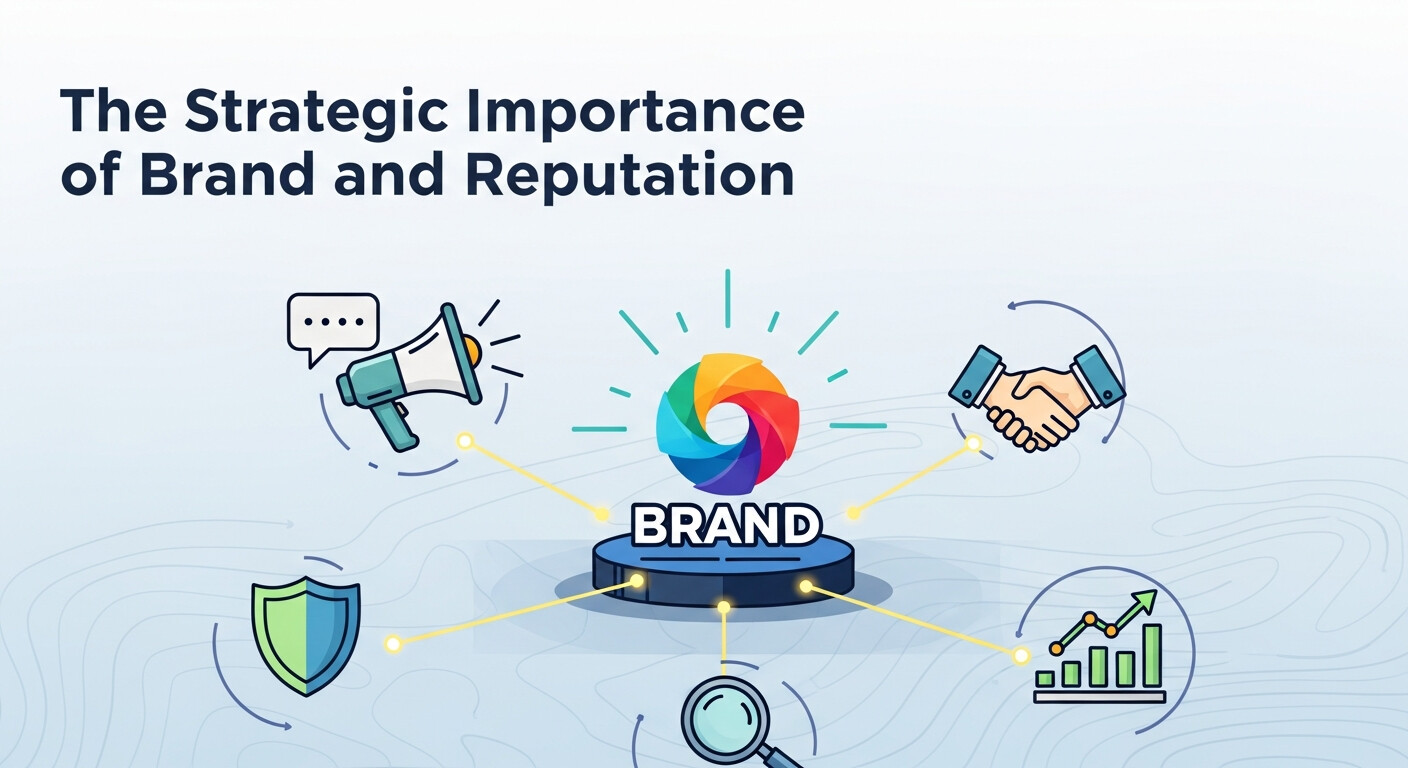
Harnessing the power of data analytics in marketing also means protecting your image. Digital reputation management and brand crisis management are now data-driven fields. By using brand monitoring services, companies can detect negative sentiment before it spirals, ensuring brand resilience strategies are in place.
Furthermore, integrating video analytics market trends allows brands to participate in viral marketing strategies on platforms like TikTok, using the psychology of trend marketing to create irresistible webinar offers or viral content.
The Psychology of Trend Marketing and Viral Content
Understanding the power of data analytics in marketing requires more than just looking at spreadsheets; it requires an understanding of human behavior. Viral marketing psychology suggests that people share content that triggers high-arousal emotions—such as awe, excitement, or even righteous indignation.
Building a Viral Marketing Funnel
To create a viral content marketing strategy, you must move beyond luck. A data-driven approach involves:
- The Hook: Using marketing analytics data to identify which headlines have the highest CTR.
- The Value: Offering something immediate, like irresistible webinar offers or exclusive insights.
- The Social Trigger: Leveraging marketing FOMO (Fear of Missing Out) to encourage immediate sharing.
By analyzing viral social media campaigns, brands can identify “micro-trends” before they hit the mainstream. This is often referred to as micro trend marketing, where a brand enters a conversation at its peak relevance.
Mastering Video Analytics and Multimedia Strategy
As video dominates digital consumption, mastering video analytics has become a cornerstone of the power of data analytics in marketing. It is no longer enough to track “views.” Modern marketers must look deeper.
Video Analytics Market Trends to Watch
- Drop-off Rates: Identifying the exact second a viewer loses interest.
- Heatmaps: Seeing which parts of a video are rewatched or skipped.
- Partnership Marketing with Video Analytics: Collaborating with influencers and using data to measure the specific ROI of their audience engagement.
For those in the luxury brand marketing sector, video analytics help ensure that the brand voice strategy is resonating with high-net-worth individuals, maintaining a sense of exclusivity while driving digital engagement.
Brand Architecture and Resilience Strategies
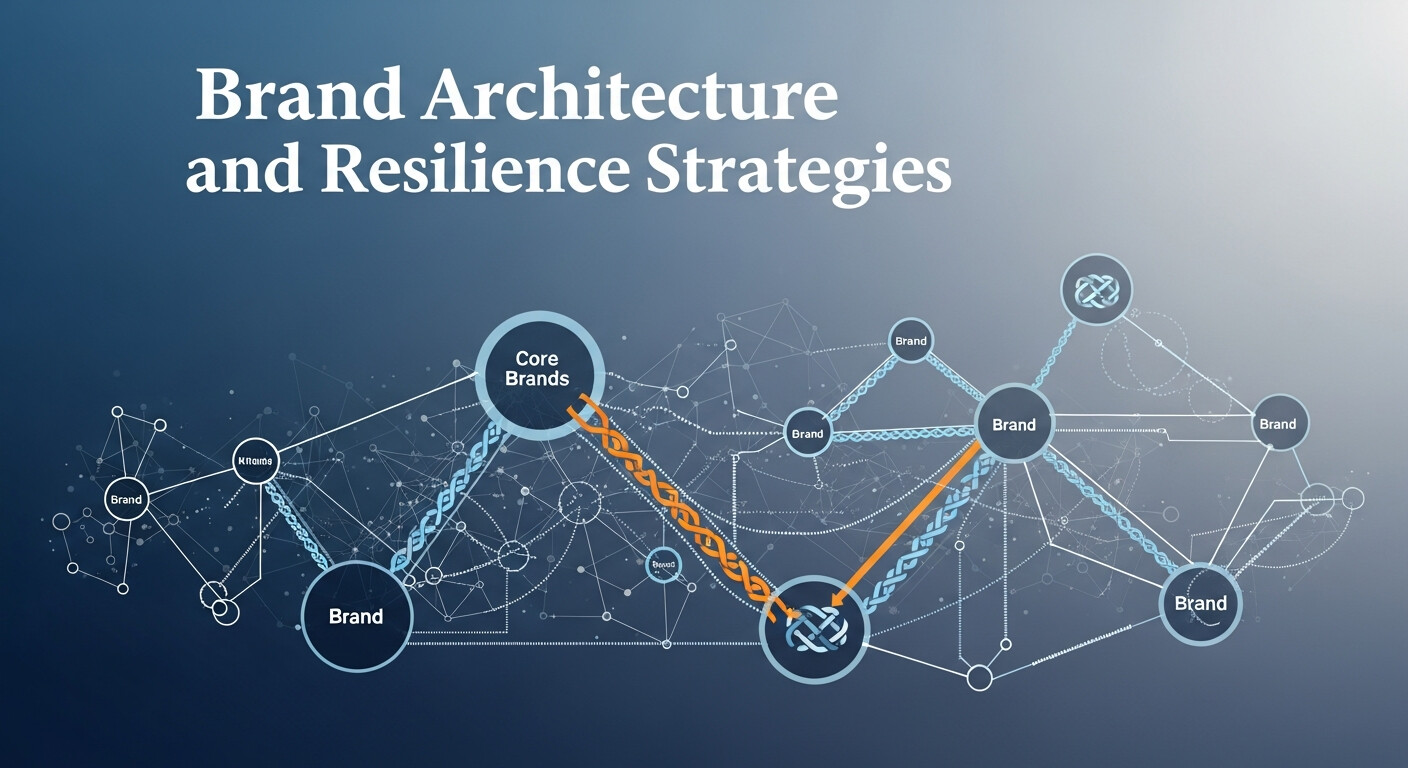
A company’s brand architecture—how its various products and sub-brands relate to one another—can be significantly optimized through data. Without the power of data analytics in marketing, a company might suffer from brand cannibalization, where one product’s growth eats into the sales of another.
The Brand Audit Process
A data-driven brand audit involves:
- Brand Perception in Marketing: Using sentiment analysis to see how the public views your brand versus competitors.
- Brand Equity KPIs: Measuring the premium customers are willing to pay for your name over a generic alternative.
- Brand Longevity Challenges: Using historical data to predict when a brand refresh or rebranding is necessary to stay relevant.
Pro Tip: Use competitive brand analysis tools to see where your rivals are overspending and where they are leaving “gaps” in the market that your brand can fill.
Digital Reputation and Crisis Management
In an era of instant communication, the power of data analytics in marketing is your best defense against a PR disaster. Brand crisis management has shifted from a reactive public relations role to a proactive data science role.
Proactive Brand Monitoring
By utilizing brand monitoring services and review management services, companies can:
- Detect Anomalies: Spot a sudden spike in negative mentions before they go viral.
- Negative Content Management: Identify the source of misinformation and address it directly through online PR services.
- Personal Reputation Management: Helping CEOs and executives maintain a positive digital footprint that aligns with the corporate brand strategy road map.
Integrated Marketing: Connecting the Dots
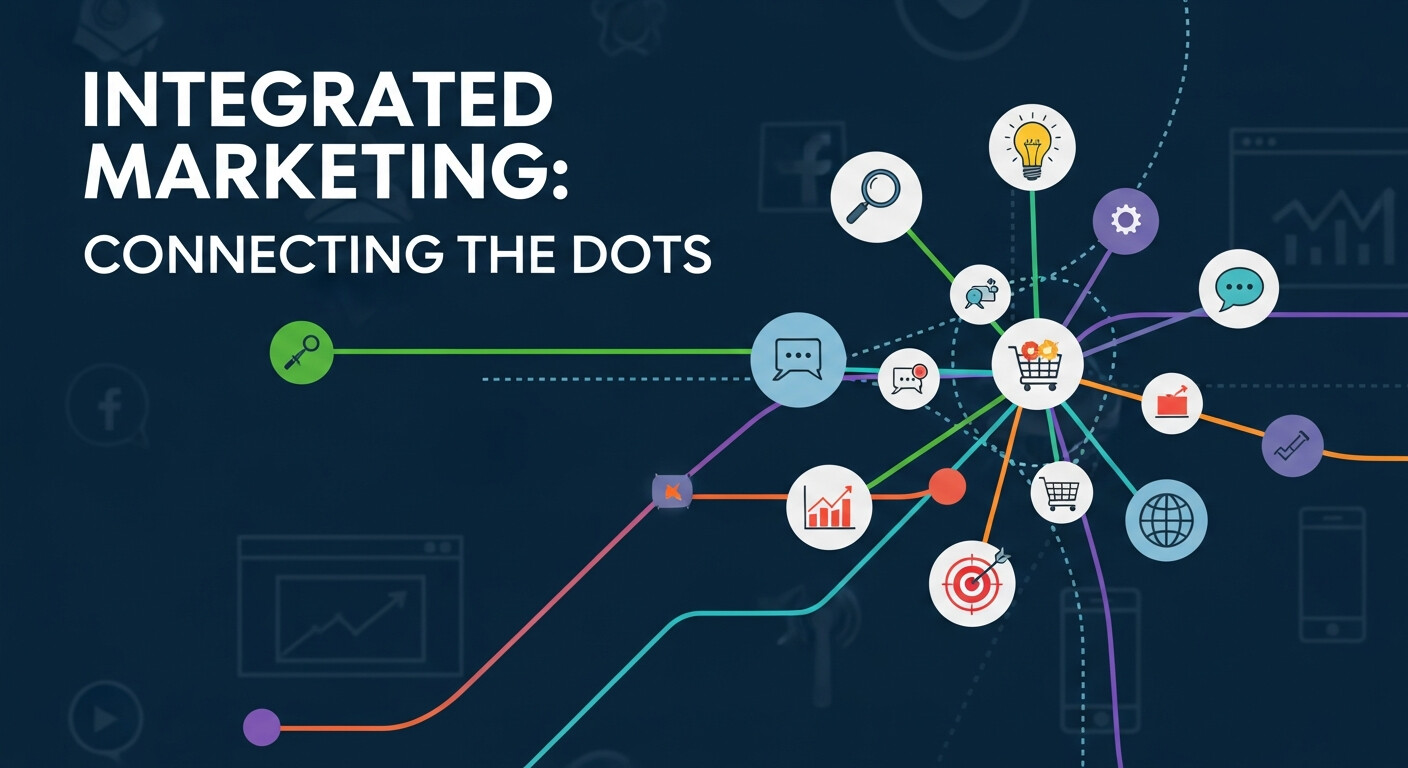
The ultimate expression of the power of data analytics in marketing is integrated marketing. This is the practice of ensuring that your SMS marketing, email marketing analytics, and paid search all tell the same story.
The Customer Journey Mapping Table
A data-driven customer journey mapping allows you to see the path from stranger to brand advocate:
| Stage | Key Channel | Metric to Track |
| Awareness | Social Media / PR | Brand Awareness Reach |
| Consideration | Webinars / Blogs | Engagement Metrics |
| Conversion | Landing Pages | Conversion Rate |
| Loyalty | Email / SMS | Customer Lifetime Value (CLV) |
| Advocacy | Referral Programs | Referral Marketing Rate |
The Ethical Frontier: Brand Safety and Sustainability
As we lean into the power of data analytics in marketing, we must also address the dark side of viral marketing. Brand safety in digital marketing ensures that your ads do not appear next to “unsafe” or controversial content that could damage your brand personality.
Furthermore, ethical branding is becoming a data-driven requirement. Modern consumers use data to verify a company’s sustainability claims. Brands that use brand purpose development backed by transparent data win higher levels of trust and long-term brand equity.
Conclusion
The power of data analytics in marketing is your ultimate secret weapon for navigating the complexities of the modern consumer landscape. By mastering your KPIs, leveraging the right tools, and staying ahead of AI-driven trends, you can transform your business into a data-driven powerhouse. Start small, build your dashboard, and let data lead the way.
Frequently Asked Questions
1. What is the core focus of the power of data analytics in marketing?
The core focus involves transforming raw consumer data into strategic assets. By leveraging the power of data analytics in marketing, businesses can eliminate guesswork, optimize their advertising spend in real-time, and create highly personalized customer experiences that drive significantly higher conversion rates and long-term loyalty.
2. How does a marketing analytics certificate benefit professional growth?
Earning a marketing analytics certificate equips professionals with specialized technical skills, such as data modeling and statistical interpretation. This expertise allows marketers to bridge the gap between creative strategy and technical execution, making them invaluable assets in any data-driven brand marketing strategy or corporate environment.
3. What is Customer Journey Analytics and why is it vital?
Customer journey analytics is the process of tracking every touchpoint a consumer has with your brand across multiple channels. It is vital because it reveals exactly where potential customers drop off, allowing you to refine your brand positioning and improve the overall user experience.
4. Why is Measuring SEO Success important for modern brands?
Measuring SEO success goes beyond tracking simple keyword rankings. It involves analyzing organic traffic quality, bounce rates, and lead generation. This data ensures your content marketing strategy aligns with search intent, effectively building brand awareness while maintaining a competitive edge in saturated digital marketplaces.
5. How does AI impact modern trend forecasting?
AI-driven trend forecasting utilizes machine learning algorithms to scan massive datasets for emerging patterns. This allows marketers to move from reactive to proactive strategies, identifying micro-trend marketing opportunities before they hit the mainstream, thus ensuring your brand remains a pioneer rather than a follower.
6. What role do engagement metrics play in brand perception?
Engagement metrics, such as social shares and time-on-page, serve as a direct pulse check for brand perception in marketing. High engagement suggests your brand voice strategy resonates with the audience, while low engagement indicates a need for a brand refresh or content strategy pivot.
7. How should a business handle a brand crisis using data?
During a crisis, data serves as a protective shield. By using brand monitoring services, companies can track sentiment shifts in real-time. This allows for rapid brand crisis management, enabling leaders to deploy targeted communications that address specific concerns and protect the company’s long-term reputation.
8. What is the difference between inbound and outbound marketing analytics?
Inbound marketing analytics track how well content attracts and nurtures organic leads over time. Conversely, outbound marketing analytics measure the immediate impact of direct tactics like outbound email marketing. Both are essential for a balanced integrated marketing approach that maximizes total reach and ROI.
9. What is Sonic Branding and how is it measured?
Sonic branding is the strategic use of sound to reinforce brand identity. Marketers measure its success through audio recognition tests and sentiment analysis. When integrated with luxury brand marketing, a unique sonic identity can significantly enhance brand recall and emotional connection with the target audience.
10. Why is privacy-centric analytics the future of digital marketing?
With global regulations like GDPR and CCPA, privacy-centric analytics ensure that brands collect data ethically. By prioritizing user consent and transparency, businesses build deeper trust, avoiding the dark side of viral marketing while still gaining the insights necessary for a successful personal brand strategy.