
Marketing and analysis go hand in hand in defining the success of businesses today. Knowing how to effectively market is one thing, but analyzing the outcomes is what sets exceptional strategies apart. Together, they create a partnership that drives informed decision-making and better results.
This blog will explore the principles of marketing, the vital role of analysis, the benefits of combining both, along with real-world case studies for inspiration. By the end, you’ll have a clear understanding of how to leverage marketing and analysis to maximize results and stay ahead of the curve.
Understanding Marketing
At its core, marketing is about connecting with your audience and delivering value. It involves creating, communicating, and promoting products or services to meet consumer needs. The key lies in understanding who your audience is, what they want, and how you can position yourself as the solution.
Types of Marketing
Marketing strategies can take many forms, each with its own unique advantages. Here are a few prominent examples:
- Digital Marketing
Digital marketing focuses on leveraging online channels, including search engines, social media, email, and websites. For example, businesses use SEO strategies to attract organic traffic to their sites.
- Content Marketing
This approach revolves around creating valuable content to educate or entertain your audience. Blog posts, videos, podcasts, and ebooks are typical examples that boost engagement.
- Social Media Marketing
Platforms like Instagram, LinkedIn, and TikTok allow brands to interact with their audience directly. Social media marketing builds brand visibility, fosters customer relationships, and drives sales.
- Influencer Marketing
Influencers, with their loyal followings, can help brands amplify messages authentically. By partnering with the right influencer, businesses can target well-defined niches effectively.
Why Marketing Matters
Great marketing does more than promote products. It establishes trust, fosters loyalty, and positions a brand as a leader in its industry. Without effective marketing, even high-quality products may fail to find their audience.
The Role of Analysis
While marketing sets the stage, analysis ensures the efforts hit the right spot. Analysis involves gathering, interpreting, and using data to measure an initiative’s effectiveness. Without it, businesses are essentially operating blind.
The Importance of Analysis
- Understanding Performance
How can you tell if your ad campaign is working without measuring the conversion rate? Analysis uncovers what’s working and what isn’t, helping allocate resources wisely.
- Audience Insights
Data analytics reveals more about who your audience truly is. By assessing what content resonates most or what spending habits exist, businesses can better cater to customer needs.
- Predictive Strategies
Analysis enables businesses to make accurate forecasts. Predictive analytics uses historical data to anticipate future trends, giving brands a competitive edge.
Methodologies Used in Analysis
- Web Analytics Tools
Google Analytics and similar platforms provide a window into website visitor behavior, tracking metrics like page views, session duration, and bounce rates.
- Market Research Surveys
Surveys offer a direct way to collect qualitative data from customers regarding preferences and satisfaction levels.
- Social Media Listening
Tools like Brandwatch and Hootsuite help companies gauge how they are being discussed on social platforms, providing invaluable sentiment analysis.
- Conversion Rate Analysis
This focuses on tracking how many potential customers turn into buyers, a critical metric in measuring campaign success.
Benefits of Integrating Marketing and Analysis
When marketing and analysis work together, businesses can unlock unprecedented opportunities. The advantages include:
- Optimized Campaigns
With data-driven insights, marketers can tweak campaigns in real time to achieve better outcomes. For example, pausing underperforming ads based on analytical feedback can save significant advertising spend.
- Better ROI
Precise data ensures that the marketing budget is allocated toward strategies that actually yield results.
- Personalization
Using customer data allows businesses to deliver highly tailored messages and offers, improving engagement and satisfaction.
Challenges and Solutions
Integrating marketing and analysis isn’t without its hurdles. Here’s how to tackle common challenges.
Challenge 1. Data Overload
With so much data available, businesses can feel overwhelmed.
Solution: Use clear KPIs that align with your goals. Focus only on metrics that matter, and invest in data visualization tools to simplify insights.
Challenge 2. Lack of Expertise
Analyzing data requires specific skills, which some teams may lack.
Solution: Provide ongoing training or outsource to experts who can help interpret complex data points and guide decision-making.
Challenge 3. Privacy Concerns
Analyzing customer data comes with the responsibility to protect privacy and comply with regulations.
Solution: Clearly communicate privacy policies and always obtain customer consent before collecting data.
Future Trends
The future of marketing and analysis is exciting, brimming with innovation. Here are some key trends to watch out for:
- AI and Machine Learning
Tools powered by AI will analyze customer behavior in real time, creating ultra-personalized campaigns while saving time and resources.
- Voice Search Optimization
More consumers are using voice-enabled devices. Optimizing for voice search will be crucial for staying relevant.
- Sustainability Messaging
Data indicates consumers increasingly prefer brands that prioritize sustainability. Marketing campaigns will increasingly integrate data to highlight eco-friendly initiatives.
- Data-Driven Storytelling
Brands will use analytics to create compelling data-backed stories, connecting with audiences on both logical and emotional levels.
Embark on Your Marketing Journey
Successful businesses of the future will harness the combined power of marketing and analysis to sharpen strategies, connect meaningfully with consumers, and stay ahead of the competition.
Take the first step toward optimizing your campaigns. Start simple by setting clear goals, leveraging data-backed insights, and staying informed about the latest trends. Don’t underestimate the value of integrating marketing with analysis to unlock untapped potential.
Leveraging Customer Insights
 Understanding your customers is the foundation of effective marketing. By analyzing behavior, preferences, and engagement patterns, businesses can create tailored campaigns that resonate with their audience. Insights from surveys, website analytics, and social media listening allow marketers to identify what content drives attention, which channels perform best, and how to improve overall experiences. Using these insights helps in predicting future behavior and personalizing communication. Segmentation based on demographics, interests, and purchase history enables brands to reach the right people with the right message. Customer-centric campaigns not only increase engagement but also foster loyalty, enhance satisfaction, and improve retention, ensuring long-term business growth and stronger brand reputation.
Optimizing Marketing Campaigns
 Campaign optimization ensures that every marketing effort delivers maximum impact. By monitoring metrics such as conversion rates, engagement, and ROI, marketers can identify underperforming strategies and adjust in real time. Data-driven adjustments might include changing targeting criteria, refining messaging, or reallocating budgets across channels. Continuous testing, like A/B testing of ads or emails, provides actionable insights into audience preferences. Predictive analytics can forecast outcomes and guide campaign strategy before execution. Optimized campaigns reduce wasted spend, increase effectiveness, and enhance customer experiences. Leveraging these strategies ensures that marketing activities remain agile, measurable, and aligned with overall business objectives while achieving higher engagement and return on investment.
Personalization in Marketing
Personalization enhances the effectiveness of marketing by tailoring content to individual preferences. Using data from browsing behavior, purchase history, and engagement patterns, brands can deliver messages and offers that resonate with each customer. Personalized emails, product recommendations, and targeted ads significantly improve engagement, click-through rates, and conversions. When implemented ethically, personalization respects privacy while increasing customer satisfaction. Segmented campaigns allow marketers to address different audience needs accurately and efficiently. This approach transforms generic campaigns into meaningful experiences, helping businesses build stronger relationships and increase loyalty. Combining analytical insights with creative messaging ensures personalization strategies are not only effective but also scalable across multiple channels.
Predictive Analytics for Marketing
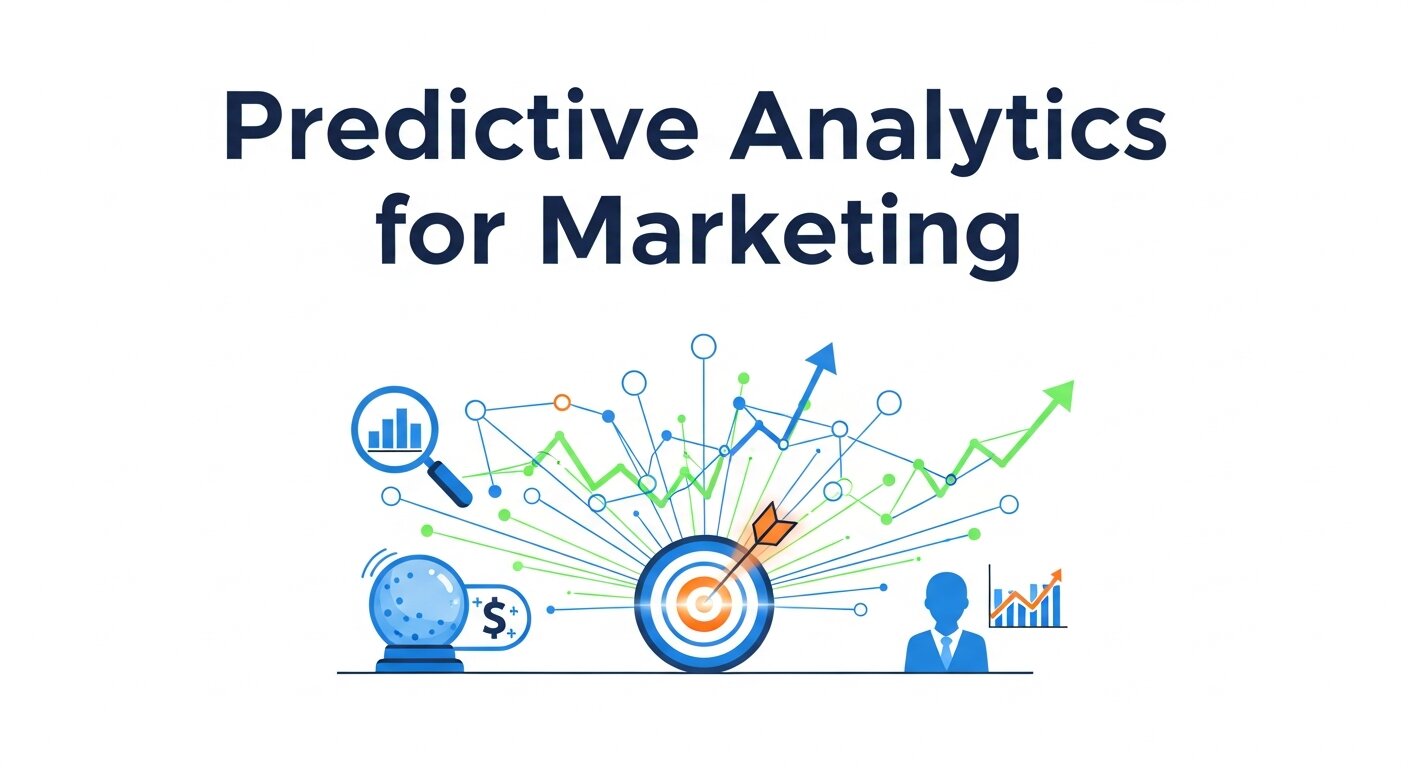 Predictive analytics uses historical data to forecast customer behavior and guide strategic decisions. By analyzing trends, past purchases, and engagement metrics, marketers can anticipate future needs and optimize campaigns accordingly. Predictive models can identify high-value customers, potential churn risks, or ideal timing for promotions. This enables marketers to proactively target audiences with relevant messages and offers, increasing ROI and engagement. Tools that integrate predictive analytics with campaign management allow real-time adjustments and performance tracking. When combined with a deep understanding of customer behavior, predictive analytics transforms marketing from reactive to proactive, enabling businesses to stay ahead of trends, reduce uncertainty, and deliver campaigns with greater accuracy and impact.
Ethical Marketing Practices
Ethical marketing ensures that campaigns respect privacy, honesty, and transparency while building trust with customers. Collecting and analyzing customer data must comply with legal regulations, such as consent requirements and GDPR. Ethical marketing avoids misleading claims, excessive tracking, or invasive tactics. Brands that prioritize ethics foster long-term relationships, enhance brand reputation, and improve customer loyalty. By integrating ethical principles with analytics, businesses can still gain insights while respecting user rights. Ethical marketing also strengthens internal culture, ensuring that all campaigns align with values and integrity. Customers increasingly prefer brands that are responsible, making ethical marketing a key differentiator in competitive markets.
Multi-Channel Marketing Strategy
A multi-channel strategy allows businesses to reach audiences through multiple touchpoints, including social media, email, search engines, and offline channels. Coordinating campaigns across channels ensures a consistent brand message while maximizing engagement opportunities. Analytics helps track performance in each channel, revealing which combinations deliver the best ROI. Cross-channel insights allow marketers to adjust budgets, timing, and messaging effectively. Integrating tools like CRM platforms and marketing automation enhances efficiency and reduces redundant efforts. A successful multi-channel strategy ensures customers encounter relevant messaging across platforms, improving overall conversion rates. It also strengthens brand recall and engagement, ultimately boosting customer acquisition and retention.
Enhancing ROI with Data
Maximizing return on investment requires strategic use of marketing data. By tracking metrics like conversions, engagement, and cost per acquisition, marketers can identify high-performing tactics and reduce wasted spend. Analytics enables informed decision-making about channel allocation, creative messaging, and campaign timing. Insights from past campaigns guide future strategies, increasing efficiency and results. Businesses that monitor ROI continuously can test variations, refine targeting, and adjust budgets in real time. This data-driven approach ensures marketing resources are used optimally, driving growth and profitability. Combining careful measurement with strategic adjustments allows organizations to achieve better outcomes while improving both customer experience and overall campaign effectiveness.
Leveraging Social Media Insights
Social media platforms offer a wealth of information about audience behavior, preferences, and engagement trends. Analytics tools allow marketers to track metrics such as likes, shares, comments, follower growth, and reach. These insights inform content strategies, helping brands produce posts that resonate with their audience. Monitoring competitors’ social activity and trending topics can also provide inspiration for campaigns. Sentiment analysis offers a deeper understanding of customer perceptions, helping brands respond proactively. Leveraging these insights ensures social media campaigns are effective, relevant, and engaging. Businesses can create content that aligns with audience interests, increasing interaction and building stronger, long-term relationships with followers.
Future Trends in Marketing Analytics
Marketing analytics continues to evolve with technology, enabling businesses to make smarter, faster decisions. AI and machine learning provide real-time insights into customer behavior, automating optimizations and improving personalization. Voice search and conversational AI are creating new ways for consumers to interact with brands. Sustainability-focused analytics allow marketers to track eco-friendly initiatives and customer sentiment. Data-driven storytelling helps communicate insights more effectively, connecting logically and emotionally with audiences. Businesses that adopt these trends early can maintain a competitive edge, optimize performance, and deliver more engaging, relevant campaigns. Staying ahead of analytics trends ensures marketers remain agile, innovative, and customer-centric.
Frequently Asked Questions (FAQ)
1. What is the relationship between marketing and analysis?
Marketing focuses on creating, communicating, and delivering value to customers, while analysis measures the effectiveness of these efforts. Together, they form a feedback loop where data informs strategy, enabling businesses to optimize campaigns, improve engagement, and achieve better ROI.
2. Why is analysis important in marketing?
Analysis helps businesses understand audience behavior, track campaign performance, and make data-driven decisions. Without analysis, marketers risk spending resources on ineffective strategies, missing opportunities for personalization, and failing to adapt to market trends.
3. Which marketing channels benefit most from analysis?
All channels benefit, including digital marketing, content marketing, social media, and influencer campaigns. Data insights help optimize ad placement, engagement strategies, messaging, and budget allocation to maximize performance across platforms.
4. What are common tools used for marketing analysis?
Popular tools include Google Analytics for web tracking, social media listening tools like Brandwatch and Hootsuite, CRM platforms like HubSpot, and survey tools for collecting qualitative customer feedback. These tools help monitor engagement, conversions, and audience insights.
5. How can small businesses integrate analysis effectively?
Small businesses should focus on key metrics aligned with their goals, such as website traffic, conversion rates, and engagement. Using affordable or free analytics tools and starting with clear KPIs ensures meaningful insights without overwhelming resources.
6. What challenges might arise when combining marketing and analysis?
Common challenges include data overload, lack of expertise, and privacy concerns. Overcoming them requires focusing on actionable metrics, investing in skill development or outsourcing, and adhering to privacy regulations and transparent data collection practices.
7. What trends are shaping the future of marketing and analysis?
Key trends include AI-powered analytics for real-time personalization, voice search optimization, sustainability messaging, and data-driven storytelling. Staying aware of these trends allows marketers to create campaigns that are both innovative and audience-centric.