

Digital marketing has revolutionized how businesses connect with customers and build long-term brand success. But how do you know if your efforts are truly paying off? Digital marketing analysis is the answer. By carefully tracking and analyzing performance metrics, you can uncover actionable insights to refine your strategies and achieve your business goals.
Whether you’re a seasoned marketer or just getting started, this guide will cover everything you need to master digital marketing analysis. From the key metrics to monitor and the best tools to use to real-world case studies and future trends, you’ll walk away ready to leverage data for success.
Understanding Digital Marketing Analysis
Digital marketing analysis is the process of collecting, organizing, and interpreting data from your online marketing campaigns. Its primary goal is to measure performance, understand customer behavior, and refine your marketing strategies. Without it, businesses risk wasting valuable resources on campaigns that don’t yield results.
Why Digital Marketing Analysis Matters
- Optimize Campaigns: Real-time insights help you identify which tactics are working (and which aren’t).
- Understand Customers: Analysis reveals customer preferences and behavior, aiding in creating personalized experiences.
- Improve ROI: By focusing on high-performing strategies, you maximize every dollar spent.
- Stay Competitive: Regular analysis helps you adapt to market trends and outperform competitors.
Key Metrics to Track
When performing digital marketing analysis, tracking the right metrics is crucial. Here are a few key performance indicators (KPIs) to focus on:
1. Website Metrics
- Traffic Sources: Understand where your visitors come from (organic search, social media, direct, etc.).
- Bounce Rate: Monitor the percentage of visitors who leave your site after viewing just one page.
- Conversion Rate: Measure how many visitors complete a desired action, such as signing up or making a purchase.
2. Email Marketing Metrics
- Open Rate: Indicates the percentage of recipients who open your email.
- Click-Through Rate (CTR): Measures how many people click on links within your campaigns.
- Unsubscribe Rate: Tracks how many users opt out of your emails and is a valuable indicator of content relevance.
3. Social Media Metrics
- Engagement Rate: Tracks likes, comments, shares, and other interactions as a percentage of total followers.
- Follower Growth: Measures how quickly your audience is expanding.
- Reach: Indicates how many unique users saw your content.
4. Paid Advertising Metrics
- Cost Per Click (CPC): The amount you pay for each click on your ads.
- Impressions: Tracks how often your ad is shown, whether clicked or not.
- Quality Score: Google assigns this score to ads based on relevance, click-through rates, and landing page quality.
5. Content Marketing Metrics
- Time on Page: Measures how long users spend engaging with your content.
- Shares: Tracks how often users share your articles, videos, or posts.
- Lead Generation Rate: Indicates the number of leads your content generates.
Tools for Effective Digital Marketing Analysis
A wide array of tools can simplify and refine your analysis process. Here are some must-haves:
1. Google Analytics
This free tool is the gold standard for tracking website traffic and user behavior. It helps with metrics like session duration, traffic sources, and page views.
2. SEMrush
Perfect for tracking SEO performance, keyword rankings, and competitive analysis. It’s a comprehensive platform for marketers looking to optimize search strategies.
3. Hootsuite
Useful for tracking social media engagement, scheduling content, and managing multiple platforms. It also offers in-depth analytics for platforms like Facebook and Instagram.
4. HubSpot
An all-in-one CRM and marketing tool that tracks email campaigns, website analytics, and user engagement. Its ease of use makes it ideal for marketing teams.
5. Google Ads
For those focusing on paid campaigns, Google Ads provides data on impressions, clicks, conversions, and ad performance metrics.
6. Crazy Egg
Helps visualize user behavior on your site using heatmaps and recordings. You’ll discover how customers interact with different elements on your pages.
Case Studies: Successful Digital Marketing Campaigns
Here are two examples of companies that excelled thanks to effective digital marketing analysis:
Airbnb: Simple Yet Impactful
Airbnb leveraged personalized remarketing campaigns to target travelers who searched for listings but didn’t complete bookings. By analyzing user behavior, they delivered tailored ads to re-engage potential customers, resulting in a significant boost in bookings.
Common Pitfalls and How to Avoid Them
Even with the best tools, some pitfalls could derail your analysis efforts. Here’s how to overcome them:
Tracking Too Many Metrics
Focus on actionable KPIs, not vanity metrics. For example, prioritize conversions over page views.
Failing to Segment Data – Analyze data by audience segments (e.g., location, age, device) to uncover deep insights.
Ignoring Context
Don’t look at metrics in isolation. For instance, a low conversion rate might be due to seasonal trends.
Lack of Testing
Continuously A/B test campaigns to compare performance and refine.
Neglecting Mobile Users
Ensure your website and campaigns are optimized for mobile. Over 50% of online traffic now comes from mobile devices.
Leveraging Data for Customer Insights
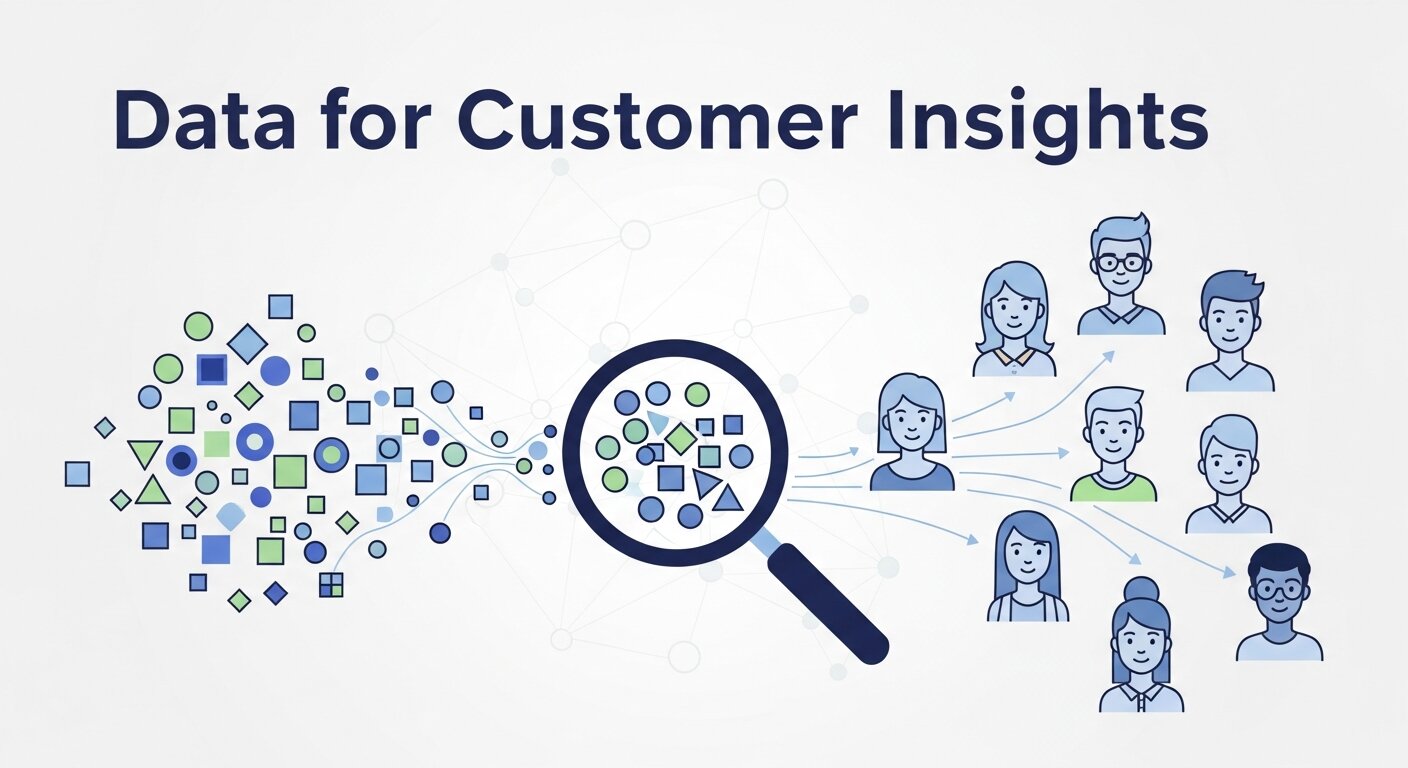
Understanding your audience is crucial for digital marketing success. By analyzing patterns in behavior, preferences, and engagement, marketers can create highly targeted campaigns that resonate with their customers. Data analysis tools help identify trends in website interactions, social media activity, and email responses. Businesses can use these insights to predict future needs and personalize content accordingly. Integrating solutions like Customer Data Platforms allows marketers to centralize information from multiple touchpoints, improving segmentation and targeting. A well-informed approach ensures that campaigns not only reach the right people but also deliver meaningful experiences that foster loyalty and increase conversion rates across all channels.
Enhancing Campaign Strategy

Data-driven campaigns outperform those based solely on intuition. By examining engagement rates, click-through patterns, and conversion statistics, marketers can identify which strategies generate the best results. Optimization is a continuous process, requiring regular testing and adjustment. Platforms that track user interactions allow marketers to adjust messaging, timing, and targeting for maximum impact. Predictive insights derived from analytics inform future content strategies and budget allocation. Additionally, understanding the ethical use of data ensures campaigns respect consumer privacy while remaining effective. Implementing a structured approach to analysis helps teams make informed decisions that lead to higher ROI, more meaningful customer interactions, and long-term brand growth.
Personalization Through Analysis
Personalization is a key driver of engagement in modern marketing. By examining user preferences, browsing patterns, and past purchase behavior, marketers can create tailored experiences for individual customers. Analysis tools provide insights into customer journeys, enabling segmentation and message customization. Even small adjustments, such as personalized email subject lines or product recommendations, can dramatically improve engagement metrics. Ethical Marketing Analytics ensures that personalization respects privacy and avoids overstepping boundaries, building trust with the audience. When marketers balance insights with ethical practices, campaigns not only become more effective but also cultivate a sense of loyalty and transparency, encouraging repeat interactions and long-term brand advocacy.
Optimizing Paid Campaigns
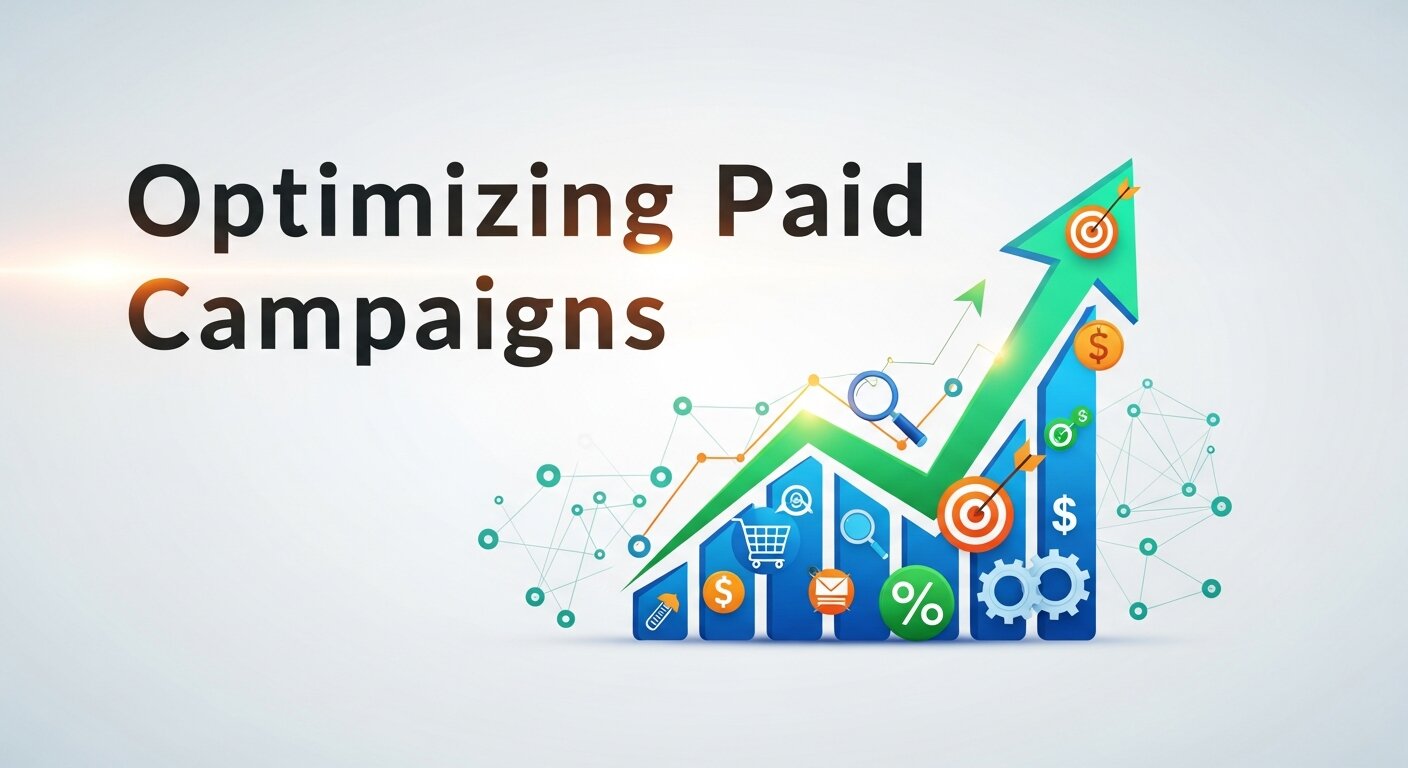
Paid advertising requires careful monitoring to achieve efficiency and ROI. Tracking metrics such as cost per click, impressions, and conversion rates helps marketers understand which ads perform best. Advanced analytics tools can simulate outcomes and suggest optimal budget allocation for different channels. Campaigns can then be adjusted in real time to improve performance and reduce wasted spend. Prescriptive insights allow marketers to predict the effects of potential adjustments before implementing changes, creating a proactive rather than reactive approach. By leveraging data in this way, businesses maximize the effectiveness of their ad campaigns, ensuring that resources are used strategically and that the audience is reached in the most meaningful and impactful manner.
Improving Content Marketing
Content marketing is more than creating posts or videos; it’s about providing value that drives engagement. Analytics helps identify what type of content resonates with your audience, which topics generate traffic, and which formats lead to higher conversions. By examining metrics such as time on page, shares, and leads generated, marketers can refine their editorial strategies. Incorporating insights from data ensures content is aligned with audience interests and business objectives. Structured analysis also allows for consistent improvement over time, reducing guesswork. This approach transforms content from generic material into strategic assets that not only attract attention but also guide users through the conversion funnel efficiently.
Enhancing Customer Retention
Retaining existing customers is often more cost-effective than acquiring new ones. Analysis of engagement patterns, purchase history, and feedback helps marketers identify potential churn risks and loyalty opportunities. By understanding behavior across multiple channels, brands can proactively address concerns and provide targeted incentives. Predictive analytics enables marketers to anticipate customer needs and offer timely recommendations, enhancing satisfaction and loyalty. Campaigns designed with insight from detailed analysis foster stronger relationships and increase lifetime value. Strategic use of data ensures that retention efforts are personalized, effective, and measurable, ultimately creating a stable, loyal customer base that supports sustained growth for the business.
Future-Proofing Marketing Strategies
The digital marketing landscape evolves constantly, and forward-thinking marketers rely on data to stay ahead. By examining trends, audience behavior, and campaign performance, organizations can adapt strategies proactively. Advanced analytical approaches allow marketers to test hypotheses, optimize resources, and predict outcomes with greater accuracy. Incorporating ethical and prescriptive insights ensures that strategies remain both responsible and effective. Businesses that embrace a culture of continuous learning and measurement are better positioned to respond to technological changes, shifting consumer expectations, and competitive pressures. Investing in robust analysis today prepares companies to implement agile, data-informed marketing strategies that maintain relevance and maximize impact over time.
Future Trends in Digital Marketing Analysis
The landscape of digital marketing analysis is evolving rapidly. Here are some trends to watch:
1. Predictive Analytics
Using AI to forecast customer behavior and recommend strategies, predictive analytics is shaping the future of marketing decisions.
2. Real-Time Data
With increasing access to live analytics, businesses can adapt campaigns on the fly to respond to current trends.
3. Voice Search Optimization
The rising use of voice assistants like Alexa and Siri presents new opportunities for marketers to optimize content for voice search queries.
4. First-Party Data
With privacy becoming a priority and third-party cookies being phased out, businesses will rely heavily on first-party data collected directly from customers.
Take Control of Your Marketing Data
Digital marketing analysis isn’t just about tracking numbers; it’s about understanding your audience better and using those insights to shape strategies. With the right approach, tools, and a focus on actionable metrics, you can turn raw data into a competitive advantage.
Start your digital marketing success story today by analyzing your campaigns. Need help? Our team is here to guide you in leveraging data for growth.
Frequently Asked Questions (FAQ)
1. What is digital marketing analysis?
Digital marketing analysis is the process of collecting, organizing, and interpreting data from online marketing campaigns. Its main goal is to measure performance, understand customer behavior, and optimize strategies to improve ROI. By analyzing metrics such as website traffic, social engagement, email performance, and paid advertising results, businesses can make data-driven decisions that enhance their marketing effectiveness.
2. Why is digital marketing analysis important?
Analysis helps businesses identify what works and what doesn’t. It allows marketers to optimize campaigns, understand audience behavior, improve ROI, and stay competitive. Without proper analysis, companies risk wasting resources on strategies that fail to deliver results or resonate with their target audience.
3. Which metrics should I track first?
Key metrics include website traffic, bounce rate, conversion rate, email open and click-through rates, social media engagement, CPC, impressions, and content performance. Focus on actionable KPIs rather than vanity metrics to make meaningful improvements.
4. What tools are recommended for digital marketing analysis?
Popular tools include Google Analytics for website tracking, SEMrush for SEO and competitor analysis, Hootsuite for social media management, HubSpot for all-in-one marketing and CRM, Google Ads for paid campaigns, and Crazy Egg for heatmaps and user behavior visualization.
5. Can small businesses benefit from digital marketing analysis?
Absolutely. Even small-scale campaigns can be optimized through careful tracking and analysis. Understanding your audience, adjusting strategies, and measuring performance allows smaller teams to compete effectively and improve ROI without large budgets.
6. How often should I analyze my campaigns?
Regular analysis is key. Weekly or monthly reviews help track trends and spot issues early. For paid campaigns or fast-moving social media promotions, real-time or daily monitoring can be beneficial to respond quickly to changes in audience behavior.
7. What are common mistakes to avoid?
Avoid tracking too many metrics, ignoring context, failing to segment audiences, neglecting mobile users, and skipping A/B testing. Focusing on actionable data and interpreting it correctly ensures your analysis leads to tangible improvements.
8. What trends should marketers watch for in digital marketing analysis?
Current trends include predictive analytics powered by AI, real-time data monitoring, optimization for voice search, and reliance on first-party data due to privacy regulations. Staying updated with these trends ensures campaigns remain relevant and competitive.