

Information is the ultimate catalyst for business growth. By mastering secondary market research, you can unlock actionable insights from existing data to make smarter, faster, and more cost-effective decisions.
This guide explores the depths of secondary market research, covering internal and external sources, essential marketing analytics tools, and strategic frameworks. Learn to validate data, analyze competitor brand positioning, and integrate digital marketing analytics to build a resilient, data-driven brand strategy for any product.
The Strategic Foundation for Success
In the modern landscape, data isn’t just a resource; it’s the king of business decisions. However, the hurdle for many entrepreneurs is the perceived cost. While primary research—like focus groups and custom surveys—is invaluable, it is often time-consuming and expensive. This is where secondary market research becomes your most potent weapon.
By definition, secondary market research is the process of analyzing data that has already been gathered, organized, and published by others. This includes trade associations, government agencies, and research institutions. It allows a business to analyze existing data to reduce overhead while maximizing value.
Why Secondary Market Research is Non-Negotiable
All-sized businesses utilize secondary market research to establish a baseline. Before you spend thousands on primary data, you must understand the “big picture.” This methodology helps in:
- Customer behavior and preference analysis: Utilizing customer journey analytics to see how users interact with similar products.
- Competitive Brand Analysis: Understanding the brand positioning of rivals.
- Market Dynamics: Assessing video analytics market trends and CPG brand marketing shifts.
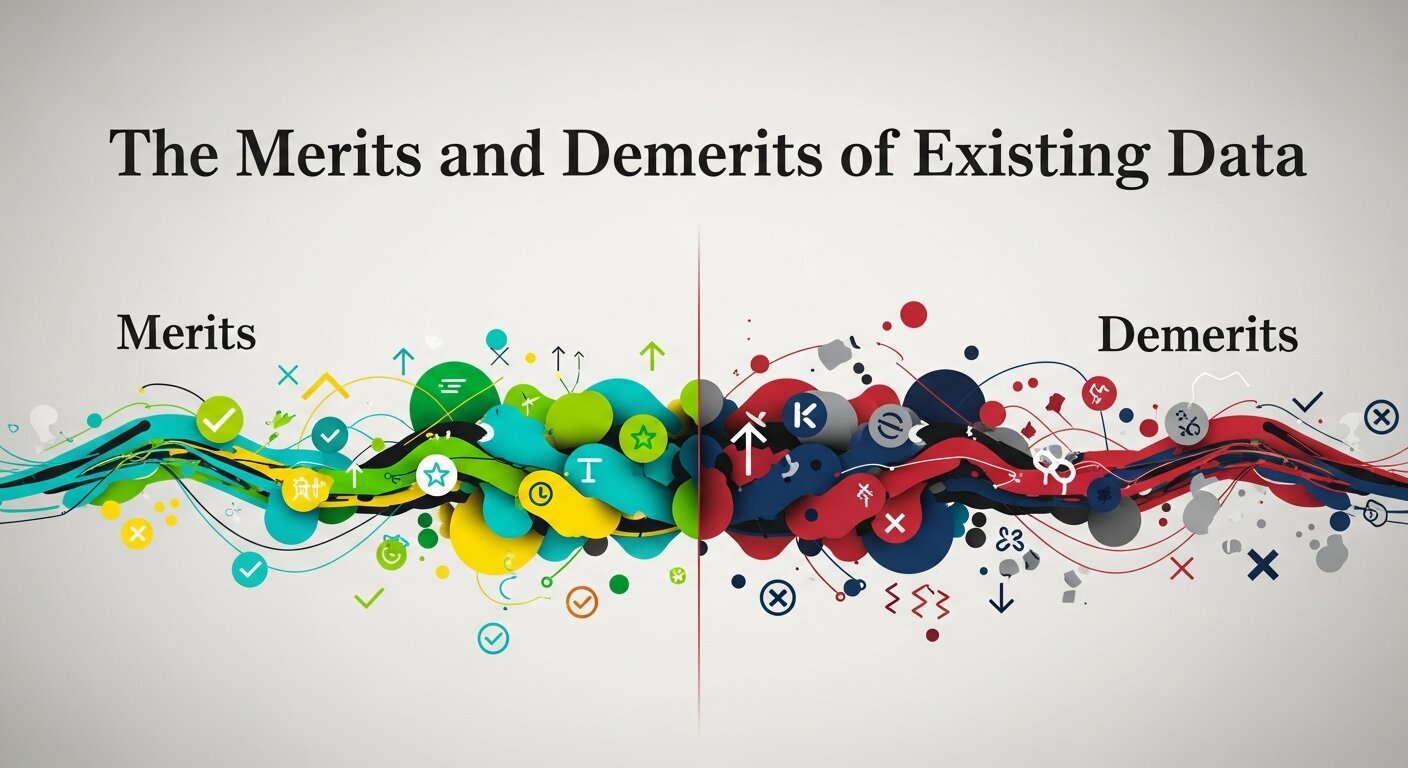
The Merits and Demerits of Existing Data
Advantages of Secondary Research
- Cost-Effective: It saves money compared to the high-cost prospect of polling or hiring focus groups.
- Time-Saving: Tapping into advanced web analytics or industry publications is much faster than organizing research from the ground up.
- Enhanced Context: It places your business within the larger industry picture, highlighting business trends you might have missed.
- Accessibility: High-authority sources like Wikipedia or Google Analytics provide a wealth of free or low-cost information.
Secondary Research Limitations
- Lack of Specificity: The data wasn’t created for your unique problem.
- Outdated Information: In fast-moving sectors like mobile app marketing analytics, data from six months ago might already be stale.
- Data Bias: Historical data often reflects the interests of the original collector.
Exploring Secondary Market Research Types
Internal Sources: The Goldmine Within
Before looking outward, look inward. Your organization already sits on a mountain of marketing analytics data.
- Sales Records: Helps identify product performance and seasonality.
- Customer Databases (CRM): Vital for customer journey mapping and segmenting audiences.
- Financial Reports: Essential for revenue estimates and assessing brand equity KPIs.
- Employee Feedback: Ground-level insights that surface operational improvements.
External Sources: The Global Perspective
- Government Reports: The U.S. Census or Bureau of Labor Statistics offer demographic deep dives.
- Industry Publications: Trade journals offer insights into luxury brand marketing and ethical branding.
- Academic Studies: Universities provide research on consumer brand marketing and emerging technologies.
- Competitor Data: Analyzing a rival’s brand voice strategy or annual reports reveals their brand architecture.
Step-by-Step: How to Research Your Industry Market
Step 1: Establish Your Objectives
You cannot find the right answer if you ask the wrong question. Are you looking into integrated marketing? Or perhaps brand crisis management?
-
Example Objective: “Analyze the brand perception in marketing for eco-friendly CPG products in the Midwest.”
Step 2: Datasource Identification and Assessment
Evaluate your sources using the following table:
| Criteria | Importance | Source Examples |
| Credibility | High | Ahrefs, SEMrush, Gov Sites |
| Relevance | High | Chemical market analytics, Video SEO reports |
| Recency | Medium | Real-time trend marketing feeds, News outlets |
Step 3: Interpret Your Findings
This is where marketing analytics hacks come into play. Look for correlations. If digital marketing analytics show a rise in SMS marketing engagement, but your internal data shows low mobile conversion, there is a gap in your brand strategy road map.
Step 4: Validate Findings
Cross-reference your secondary data with a small-scale pilot. For instance, if you identify a micro trend marketing opportunity, run a limited influencer marketing campaign to see if the data holds true in the real world.
Leveraging Marketing Analytics for Brand Growth

To truly master secondary market research, one must understand the tools that facilitate it. From marketing analytics tools to predictive trend marketing, the digital age has made data more accessible than ever.
The Role of Video and Digital Analytics
In the current era, mastering video analytics is essential. Trends in the video analytics market suggest that consumers prefer short-form content. Using partnership marketing with video analytics allows brands to see exactly where a customer drops off, helping to refine brand storytelling.
Brand Strategy and Positioning
Your research should lead to a robust brand strategy framework. This includes:
- Brand Personality: Defining your brand voice.
- Brand Positioning Strategy: How you stand out against competitor brand analysis.
- Brand Awareness: Using SEO services and local SEO services to increase visibility.
Advanced Strategies: Viral and Trend Marketing
In a hyper-connected world, viral content marketing is a shortcut to growth, but it must be backed by secondary market research. Understanding the psychology behind viral content allows you to create an irresistible webinar offer or a viral social media campaign that resonates.
- Ai Driven Trend Marketing: Using AI to forecast micro trend marketing movements.
- Marketing FOMO: Leveraging urgency in email marketing services.
- Sonic Branding: Exploring how sound influences brand perception.
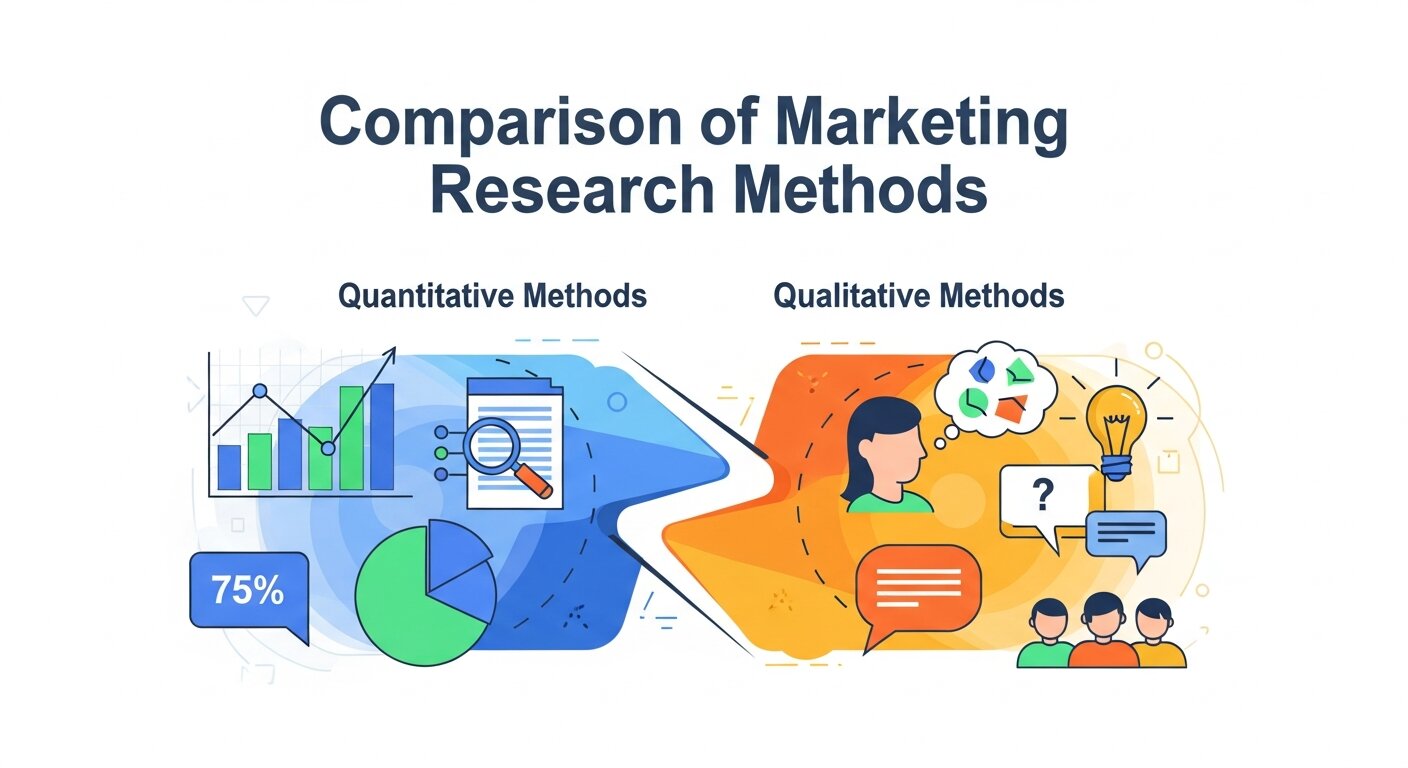
Comprehensive Comparison of Marketing Research Methods
This guide compares various marketing research methods, including primary and secondary research. It explains their differences, advantages, and limitations, helping businesses choose the right approach to gather insights, understand customers, and make data-driven marketing decisions effectively.
| Feature | Secondary Market Research | Primary Market Research |
| Cost | Low to Moderate | High |
| Time | Immediate to Short-term | Long-term |
| Specificity | General | Highly Specific |
| Control | Low (Data exists) | High (You control variables) |
| Tools | Google Analytics, Ahrefs | Surveys, Focus Groups, Interviews |
Advanced Frameworks in Secondary Market Research
While the basics of secondary market research provide a foundation, high-growth companies dive deeper. To truly outpace the competition, you must look at data through the lens of specialized marketing disciplines. This involves moving beyond simple reports and into the world of marketing analytics data and complex brand ecosystems.
The Power of Digital Marketing Analytics in Research
In the digital-first economy, digital marketing analytics serve as a real-time pulse on consumer interest. Unlike traditional reports that might be published annually, digital data allows for predictive trend marketing.
- Measuring SEO Success: By using tools like Ahrefs or SEMrush, you can analyze what your audience is searching for right now. This secondary data reveals high-intent keywords that can shape your product development.
- Mobile App Marketing Analytics: If your product involves a digital interface, analyzing secondary data regarding app store trends and user retention rates in your category can prevent costly UI/UX mistakes.
- Advanced Web Analytics: Understanding global traffic patterns helps in brand adaptation strategies, ensuring your message resonates across different digital demographics.
Master Brand Architecture and Positioning
Secondary market research is the primary tool for conducting a brand audit. Before you can define your own brand voice, you must understand the “noise” already in the market.
- Competitive Brand Analysis: Study your competitors’ brand architecture. Are they using a “house of brands” or a “branded house” model? This informs your own brand positioning strategy.
- Brand Equity KPIs: Look for publicly available data on market share and consumer sentiment. This helps you understand the brand equity in marketing that your competitors currently hold.
- Brand Personality & Archetypes: Analyze the brand archetypes framework case studies of industry leaders. Are they positioned as “The Hero” or “The Sage”? This secondary insight allows you to find an emotional “white space” for your own brand marketing.
Utilizing Video Analytics Market Trends
Video has become the dominant medium for consumer engagement. Therefore, mastering video analytics as a secondary research skill is essential.
- Video SEO: Researching which video topics are trending on platforms like YouTube provides insight into consumer pain points.
- Partnership Marketing with Video Analytics: By reviewing the performance of existing influencer collaborations in your industry, you can identify which influencer marketing services or personalities offer the best ROI for your niche.
- Webinar Sales Funnel: If you are in B2B, analyzing trending webinar topics and creative webinar ideas from industry leaders can help you build an irresistible webinar offer without starting from scratch.
Navigating the “Dark Side” and Ethics of Data
As you gather data, you must consider brand safety in digital marketing and ethical branding. Secondary research can sometimes lead to “groupthink” or the adoption of biased data.
- Brand Crisis Management: Use secondary data to study how other companies handled PR disasters. These rebranding case studies and brand resilience strategies serve as a roadmap for what not to do.
- Digital Reputation Management: Tools that offer brand monitoring services and review management services allow you to see the unfiltered “voice of the customer” regarding your competitors.
- Ethical Link Building: When looking at how others grow their authority, ensure you are modeling ethical link building rather than “black hat” tactics that could lead to a brand crisis.
Integration: Creating a Brand Strategy Road Map
The final goal of secondary market research is the creation of a brand strategy road map. This document should synthesize:
- Customer Journey Mapping: Where does your product fit in the existing path to purchase?
- Brand Purpose Development: Based on the gaps found in luxury brand marketing or CPG brand marketing, what is your “why”?
- Integrated Marketing: How will you combine SMS marketing, email marketing services, and social media management to create a consistent brand voice strategy?
Comparison of Internal vs. External Research Tools
| Tool Category | Purpose in Secondary Research | Top Recommendations |
| Search Intelligence | Finding search volume and intent | Google Trends, Ahrefs |
| Financial/Market Data | Understanding industry revenue | Statista, IBISWorld |
| Brand Monitoring | Tracking brand perception in marketing | Brandwatch, Mention |
| Consumer Behavior | Analyzing the customer journey | Google Analytics, Hotjar (Secondary case studies) |
Conclusion
Mastering secondary market research is the most efficient way to build a data-backed business strategy. By leveraging internal insights and external marketing analytics data, you can navigate market complexities with confidence. It saves time, reduces risk, and provides the strategic edge needed to thrive in today’s competitive landscape.
Frequently Asked Questions
1. What is the main difference between primary and secondary market research?
Primary research collects new, original data directly from sources through surveys, interviews, or focus groups. Secondary research involves analyzing existing information from reports, articles, databases, or public records. Primary research is tailored to your needs, while secondary research relies on already available data, saving time and resources.
2. Where can I find free secondary market research data?
You can access free secondary research data from government websites, public company annual reports, Wikipedia, academic journals, and databases like Google Scholar. Trade associations and nonprofit organizations often share industry statistics. These sources provide valuable insights without cost and can help businesses analyze markets, competitors, and trends effectively.
3. How do I know if secondary data is reliable?
To ensure secondary data reliability, verify the credibility of the source, the methods used for data collection, and how current the information is. Authoritative sources like government databases or academic journals are generally reliable. Cross-referencing multiple sources also helps confirm accuracy and minimizes the risk of using outdated or biased data.
4. Can secondary research help with brand positioning?
Yes, secondary research supports brand positioning by analyzing competitors, customer preferences, and industry trends. It helps identify market gaps, strengths, and weaknesses. Using reports, case studies, and analytics tools, businesses can refine messaging and target audiences more effectively, building a strategy based on data-driven insights rather than assumptions.
5. How does marketing analytics fit into secondary research?
Marketing analytics tools such as SEMrush or Google Analytics analyze existing market data, search trends, and competitor performance. These insights, a form of secondary research, help businesses understand audience behavior, optimize campaigns, and make informed decisions without conducting entirely new primary research. Analytics streamlines data-driven marketing strategies efficiently.
6. Is secondary research enough to launch a product?
Secondary research is a strong foundation for product launches, offering insights into competitors, industry trends, and customer needs. However, validating findings through primary research or pilot programs is recommended. Combining both approaches reduces risk, ensures accuracy, and helps tailor products to target audiences for a higher chance of market success.
7. What are internal sources of secondary data?
Internal secondary data comes from within a company, including sales records, CRM systems, past financial statements, marketing campaign reports, and employee feedback. These sources provide insights into customer behavior, operational efficiency, and performance trends, helping businesses make informed decisions without needing to conduct external research initially.
8. How do I stay updated on industry trends?
Stay informed by following trade publications, using marketing AI trend tools, monitoring competitor activities, and analyzing social media and digital reputation management data. Attending webinars, subscribing to newsletters, and reviewing market reports also helps businesses remain agile, identify opportunities early, and adapt strategies based on the latest industry developments.
9. What is the role of SEO in market research?
SEO plays a key role in market research by revealing what consumers search for online. Analyzing keywords, search trends, and content performance provides insights into customer interests, demand, and competitor strategies. Video SEO and content analytics further enhance understanding of audience behavior, making SEO a vital tool for secondary market research.
10. How can I use secondary research for global expansion?
Secondary research helps global expansion by providing data on demographics, international business trends, and competitor strategies in target markets. Government statistics, trade reports, and case studies of successful brands guide localization, market entry strategies, and product adaptation. This minimizes risk and allows data-driven decisions in new regions.