
Digital marketing has revolutionized the way in which businesses can reach out to their customers. Analytics has also become an indispensable weapon in this effort to get a better return from marketing activities. Digital marketing and analytics go hand in hand, and they are combined to help businesses make smarter, faster, more efficient decisions to grow.
This primer on all things digital marketing is a guide to what digital marketing is, how to do it, and how analytics make it better. You’ll also master actionable steps to get your hands dirty setting up analytics tools, measuring performance metrics, and deriving intelligence. Plus, we will feature success stories from campaigns and discuss upcoming trends in the field.
Digital Marketing And Analytics Overview
Digital marketing entails advertising products or services using digital media, such as social media, search engines, emails, and websites. It’s unlike traditional advertising as it allows businesses to monitor engagement, track performance, and adjust their strategy on the fly.
Analytics is critical here too, as it gives companies a clear view and understanding of what is and is not working. You can achieve all this by integrating digital marketing and analytics:
-
Maximize ROI by pinpointing top-performing channels.
-
Know your customers to deliver personalized experiences.
“Try not to guess at things, but use data to make an informed decision.”
Learning the Best Digital Marketing Channels
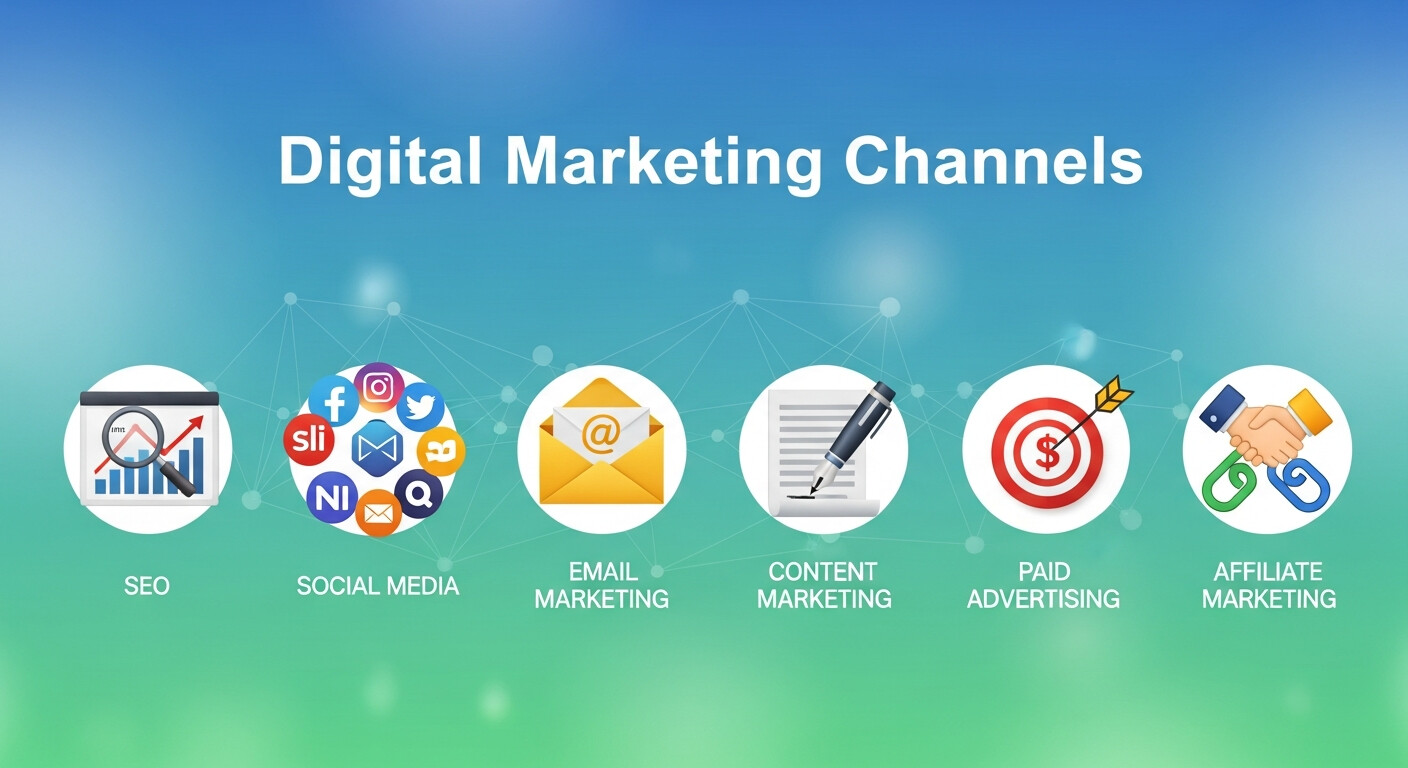
The online world is a myriad of channels, all with their own distinct capabilities and possibilities. Here’s a breakdown:
SEO (Search Engine Optimization)
SEO is the practice of boosting your website to appear further up on search engine results pages (SERPs). It increases organic traffic and exposure. For instance, keywords such as “digital marketing and analytics” can allow businesses to resonate with its audience, through effective on-page and off-page tactics.
Pay Per Click (PPC) Advertising
Some platforms, like Google Ads, enable businesses to have targeted ads appear, and pay for the ad only when a user clicks. PPC is great if you need to meet traffic targets with quick wins and deliver performance that is measurable.
Social Media Marketing
Social Media Marketing With the Pete Brand With billions of active users on Instagram, TikTok, LinkedIn, and Facebook, social media marketing makes it easy to connect with and build your community.
Email Marketing
An affordable medium, email allows businesses to nurture leads with newsletters, promotions, and personalized recommendations.
Content Marketing
Blogs, videos, eBooks, and infographics may help businesses build thought leadership and offer value to their audience.
Affiliate Marketing
Brands can extend their reach and pay only for the results through working with affiliates and promoting products or services.
The Analytics in Digital Marketing

Without it, how are you supposed to measure the effect of your digital marketing efforts? Analytics is an excellent solution for tracking user behavior patterns, campaign effectiveness and conversion rates.
Why Analytics Matters
This is how analytics benefits your workflows:
-
Optimizes Campaigns: Use real-time data to pivot strategies.
-
Predict Trends: Detect what customers are trending and market shifts.
-
Sharpens Targeting: Tailor the delivery of experiences with audience segments.
Influencer Marketing
Influencer marketing leverages individuals with a strong online presence and loyal following to promote products or services. Brands collaborate with influencers who resonate with their target audience, creating authentic engagement and higher trust compared to traditional ads. Influencers can share product reviews, unboxings, tutorials, or lifestyle content, effectively blending marketing with storytelling. Analytics plays a critical role in this channel, as businesses can measure reach, engagement, and conversions driven by influencer campaigns. By tracking metrics like referral traffic, promo code usage, and social mentions, brands can identify top-performing influencers and optimize future collaborations. This approach ensures that marketing budgets are spent on partnerships that deliver measurable results while amplifying brand visibility.
Video Marketing
Video marketing has become a dominant channel in digital marketing due to its ability to communicate complex messages quickly and memorably. Platforms like YouTube, TikTok, and Instagram Reels allow businesses to showcase products, tell stories, or provide tutorials that engage viewers visually and emotionally. Analytics tools help marketers track video views, watch time, click-through rates, and conversion metrics, providing insights into audience preferences and content effectiveness. By understanding which videos perform best, businesses can refine their content strategy, experiment with formats, and optimize messaging. Video marketing not only drives brand awareness but also increases customer trust, retention, and conversions when paired with data-driven decisions.
Mobile Marketing
With the majority of users accessing digital content via smartphones, mobile marketing has become a crucial component of any strategy. It includes mobile-optimized websites, in-app advertising, push notifications, SMS campaigns, and mobile-friendly email content. Analytics tools track user interactions, device types, session duration, and conversion behavior, helping marketers deliver more personalized experiences. By analyzing mobile-specific data, businesses can identify friction points, optimize load speeds, and improve the mobile journey, leading to higher engagement and conversions. Mobile marketing also integrates location-based targeting, allowing hyper-local campaigns to reach users at the right place and time. When combined with analytics, mobile strategies ensure maximum reach, efficiency, and ROI.
Remarketing Campaigns

Remarketing is a digital marketing tactic that targets users who have previously interacted with a brand but did not convert. By displaying tailored ads across websites, social media, or search engines, businesses can remind potential customers of products or services they showed interest in. Analytics helps track user behavior, segment audiences, and determine which messaging or offers are most effective for driving conversions. Remarketing campaigns are cost-efficient since they focus on warm leads rather than broad audiences. By analyzing click-through rates, conversion rates, and ROI, marketers can continuously optimize campaigns for higher performance. When executed properly, remarketing increases brand recall, encourages repeat visits, and boosts overall revenue.
Chatbots and Conversational Marketing
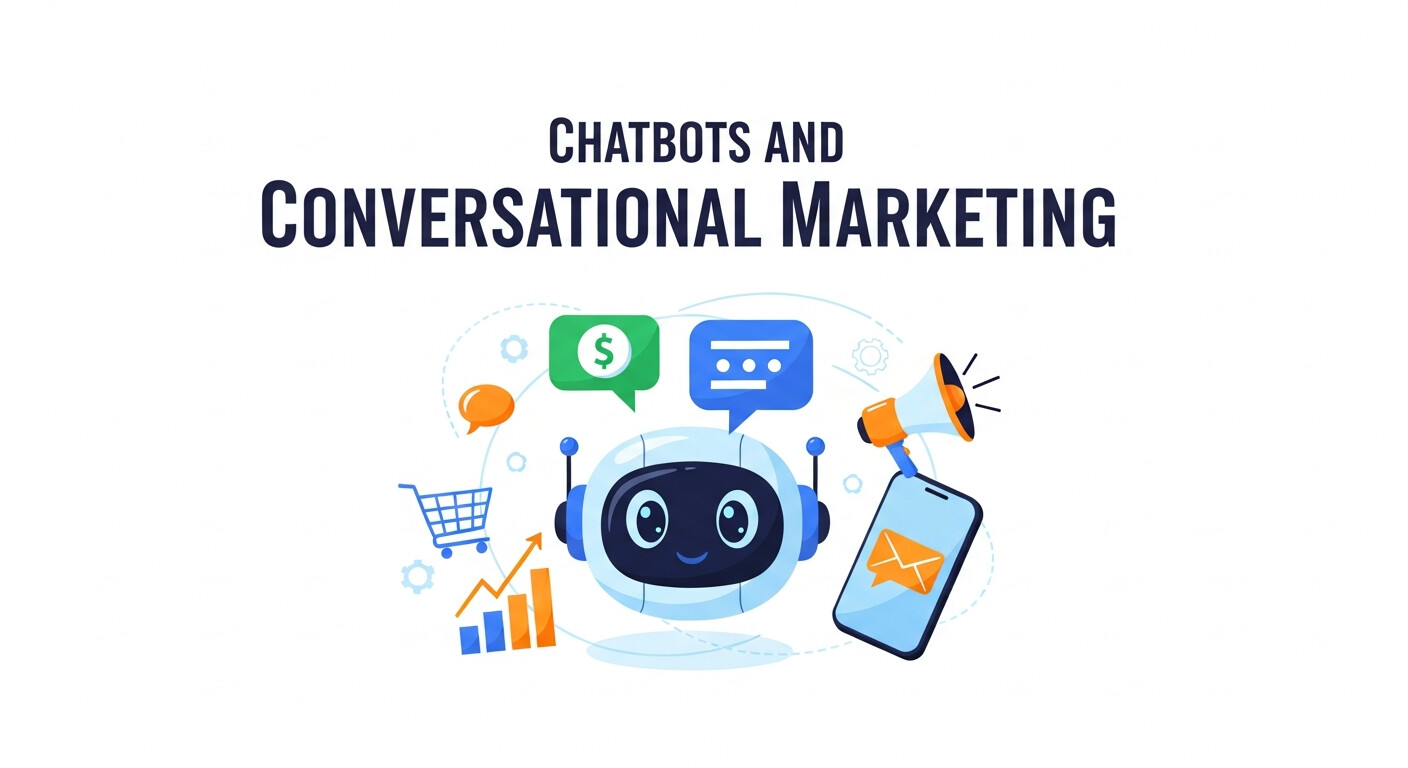
Chatbots and conversational marketing allow brands to engage with customers in real-time, providing instant support, product recommendations, and personalized interactions. AI-powered chatbots can handle frequently asked questions, qualify leads, and guide users through the sales funnel without human intervention. Analytics tracks chatbot interactions, response times, user satisfaction, and conversion rates, providing insights to improve messaging and workflows. By integrating chatbots with CRM and analytics platforms, businesses gain a deeper understanding of customer preferences and pain points. Conversational marketing not only enhances user experience but also increases engagement, lead capture, and conversions. It is an efficient, scalable way to maintain 24/7 customer interactions while leveraging data for smarter decision-making.
Customer Journey Mapping
Customer journey mapping is the process of visually representing every interaction a user has with a brand, from awareness to conversion and beyond. It helps businesses understand pain points, drop-offs, and opportunities for engagement across all touchpoints. Analytics is essential here, as it provides data on user behavior, interaction frequency, preferred channels, and content performance. By combining journey mapping with metrics, marketers can optimize campaigns, personalize content, and enhance overall user experience. This approach ensures that marketing strategies are aligned with customer needs and behaviors, improving retention, satisfaction, and conversions. A well-analyzed customer journey transforms data into actionable steps for business growth.
Marketing Automation
Marketing automation refers to software platforms and technologies designed to streamline repetitive marketing tasks, such as email campaigns, social media posting, lead nurturing, and ad targeting. It enables businesses to deliver personalized messages to the right audience at the right time, improving efficiency and engagement. Analytics is critical for automation, as it tracks campaign performance, conversion metrics, and customer interactions, allowing marketers to fine-tune workflows. By analyzing data, businesses can segment audiences, schedule campaigns optimally, and automatically trigger actions based on user behavior. Marketing automation reduces manual effort, ensures consistency, and drives measurable results, making it an indispensable tool in modern digital marketing strategies.
Installing Your Analytics Tools
You have to have the right tools to be able to leverage that full analytical power. Here’s an easy guide to getting started:
Step 1: Choose Your Tools
There are several well-known analytics platforms such as:
-
Google Analytics: This is used to track statistics of the website.
-
HubSpot: Tracks customer journeys and content performance is a priority, though not everything.
-
Kissmetrics: A user-based tracking system dedicated to track the conversions.
Step 2: Implement Tracking Codes
The majority of analytics platforms rely on tracking codes, or pixels. For instance, Google Analytics will track users’ interactions on your site using a JavaScript snippet.
Step 3: Configure Goals
Establish goals according to KPIs such as completing a purchase, signing up for a newsletter or downloading content.
Step 4: Test and Validate
Test events or activities to verify the functionality of the tracking setup.
Performance Metrics to Measure for Success
Here’s how to gauge success and what you should be paying attention to, depending on your goals:
-
Traffic Numbers: Traffic to the website, from where, bounce rate.
-
Measurements: Bounce rate, number of pages per visit, avg time per visit, social likes or shares.
-
Conversion Metrics: E-commerce transactions, new email subscribers, or form submissions.
-
ROI Numbers: ROAS and CAC Return on Ad Spend and Customer Acquisition Cost.
Insights Extracted From Analyzed and Reportable Analytics Data
Once you have the data, you can glean insights to hone in on your strategies. This is how to turn data into action:
Identify Drop-Off Points
So, if in your report you notice a high bounce rate on a certain page then focus on the design or content or perhaps call to actions to keep people there.
Understand Audience Segments
With analytics tools like HubSpot, customers can be segmented by behavior. Leverage this information to create content for certain audiences.
Monitor Campaign Success
You should always be monitoring things like CTR (Click Through Rate) for ads and Engagement Rate for social media posts. Focus on the ones that are doing well and make the poor performing campaigns leaner.
Optimize For Mobile
If your analytics reveal heavy smartphone traffic, make certain that your digital assets are mobile-friendly.
Check Out These Case Studies: Winning Digital Marketing Campaigns
Dropbox Referral Program
The invention of referrals: how Dropbox hacked growth. Its founders found, by tracking its data, that the vast majority of the signups that it got came from referrals, so they added rewards for users who referred others. The result? A 3900% increase in users over the last 15 months.
Airbnb Social Media Targeting
Airbnb applied predictive analytics to determine what seasonal demand trends and local user preferences the service would face. Their laser-focused campaigns boosted bookings by almost 25% in high season.
Trends in the Field of Data Analytics
The landscape of digital marketing is changing at a quick pace. Here are some bright spots to watch:
AI-Powered Marketing
Artificial intelligence is literally revolutionizing analytics by predicting more accurate predictions with chatbots and personalized experiences.
Voice Search Optimization
As voice tools such as Alexa continue to increase in popularity, businesses should consider optimizing for voice search queries.
Contextual Marketing
With this data in-flight, marketers are able to create ultra-relevant experiences on the fly.
Embedding Analytics in Digital Strategy
Digital marketing and analytics: Two powerful tools in combination When enterprises use digital marketing and analytics together, the impact on business growth can be multiplied. Begin adding any goals you have, any tracking that you are currently doing, and any metrics you are keeping track of. Leverage insights to optimize campaigns, know your audience, and predict emerging industry trends.
Just don’t forget the magic word, which is “consistency.” Analytic scores in digital marketing come from consistent practice, not a single test.
To find out how you can use analytics to drive digital growth for your business, take a look at our full list of resources or contact us for a tailored consultation.
Frequently Asked Questions (FAQ)
1. What is digital marketing?
Digital marketing is the promotion of products or services using online channels such as websites, social media, search engines, email, and mobile apps. Unlike traditional marketing, it allows real-time tracking, personalized messaging, and performance analysis.
2. Why is analytics important in digital marketing?
Analytics enables businesses to measure the effectiveness of campaigns, understand audience behavior, and make data-driven decisions. It helps optimize strategies, predict trends, and improve ROI.
3. What are the main digital marketing channels?
Key channels include SEO, PPC advertising, social media marketing, email marketing, content marketing, and affiliate marketing. Each has unique benefits and can be tracked using analytics.
4. How do I measure digital marketing success?
Metrics include website traffic, bounce rate, pages per visit, conversion rate, ROI, ROAS (Return on Ad Spend), customer acquisition cost (CAC), CTR (Click-Through Rate), and engagement rates on social media.
5. Which tools can I use for analytics?
Popular tools include Google Analytics for website tracking, HubSpot for customer journey tracking, and Kissmetrics for user-based analytics and conversion tracking.
6. How do analytics improve campaign performance?
By identifying audience segments, monitoring drop-off points, optimizing content for mobile, and evaluating engagement, analytics helps businesses refine campaigns, focus on high-performing areas, and reduce wasted effort.
7. Can small businesses benefit from analytics in digital marketing?
Yes. Even small businesses can leverage analytics to target the right audience, track performance, and make cost-effective marketing decisions, ensuring better ROI and sustainable growth.
8. What are current trends in digital marketing analytics?
Trends include AI-powered marketing for predictive insights, voice search optimization, and contextual marketing for personalized real-time experiences.
9. How can I integrate analytics into my digital strategy?
Start by defining goals, implementing tracking codes, configuring KPIs, monitoring metrics regularly, and using insights to adjust campaigns. Consistency in data collection and evaluation is key.
10. Can digital marketing and analytics work together for growth?
Absolutely. Combining data insights with digital marketing strategies allows businesses to optimize campaigns, understand audiences better, predict trends, and achieve measurable growth faster.