
Unlock the power of data to transform your business. This comprehensive guide helps you master marketing analytics, turning complex datasets into clear, actionable growth strategies that drive competitive advantages in an evolving marketplace.
To master marketing analytics, organizations must balance technical proficiency with strategic insight. This guide explores essential KPIs like ROI and CLV, evaluates top-tier tools from Google to Tableau, and provides a roadmap for leveraging AI and predictive trends to ensure sustainable, long-term brand success.
The Foundation of Modern Business
In an era where every click, view, and purchase is recorded, marketing analytics is no longer a luxury—it is the bedrock of corporate survival. To master marketing analytics is to pull back the curtain on the “dark art” of digital promotion, replacing guesswork with scientific precision. Whether you are a data scientist or a brand manager, your ability to interpret digital marketing analytics determines whether you hit your targets or fall into the void of inefficiency.
The transition from traditional marketing to an integrated, data-first approach allows brands to achieve:
- Clarity in Strategy: No more “spray and pray” tactics.
- Financial Accountability: Knowing exactly where every dollar goes.
- Customer Centricity: Understanding the customer journey mapping to improve user experience.Understanding Key Metrics
You cannot master marketing analytics without a deep fluency in the language of numbers. These metrics provide the pulse of your brand’s health.
1. Return on Investment (ROI)
The gold standard for any business professional. Calculated as:
A positive ROI confirms your strategy is a revenue engine, not a cost center. It is the ultimate metric for proving value to stakeholders.
2. Customer Acquisition Cost (CAC) & Customer Lifetime Value (CLV)
To truly master marketing analytics, you must understand the relationship between these two. If your CAC is higher than your CLV, your business model is fundamentally unsustainable.
- CAC: The total price of “buying” a new customer.
- CLV: The total revenue a customer is expected to generate during their relationship with your brand.
- High-growth brands focus on brand resilience strategies to increase CLV through loyalty and brand personality in marketing.
3. Conversion Rate (CR) and Click-Through Rate (CTR)
These are your primary engagement benchmarks. A low CTR suggests your creative content services aren’t hitting the mark, while a low CR indicates friction in your webinar sales funnel or checkout process.
4. Advanced Metrics: Beyond the Basics
- Bounce Rate (BR): A high rate often signals a need for better SEO services or a brand refresh.
- Brand Awareness & Sentiment: Utilizing brand monitoring services to see how the public perceives your identity.
- Mobile App Marketing Analytics: Essential for brands with a heavy mobile presence to track in-app behavior and retention.
The Marketing Analytics Tech Stack
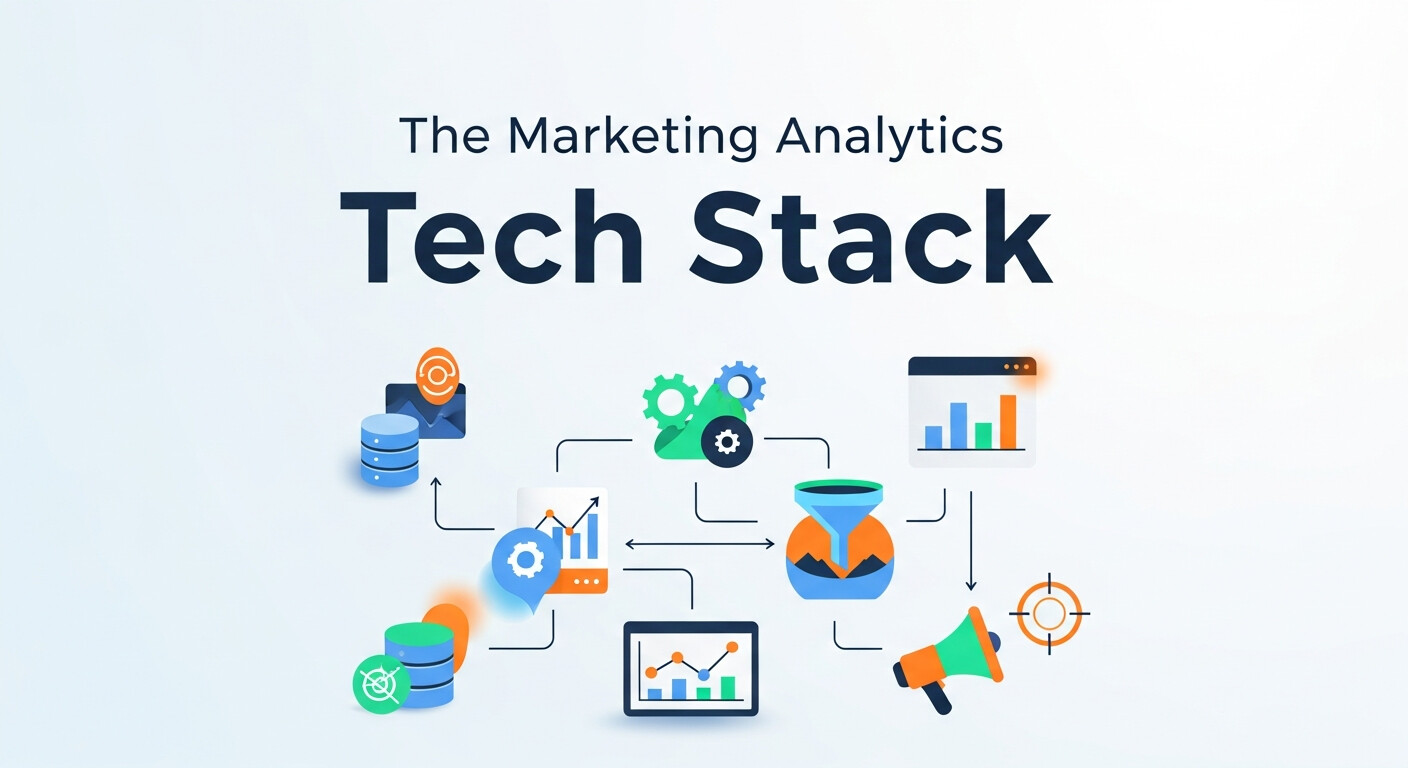
To master marketing analytics, you need the right “weapons.” While Google Analytics remains a staple, the market has diversified into specialized visualization and behavioral tools.
Comparison of Top Marketing Analytics Tools
| Tool | Focus Area | Best For | Pricing Range |
| Google Analytics | Web Traffic | General Insights | Free to Enterprise |
| Tableau | Data Visualization | Enterprise Reporting | Per User/Monthly |
| HubSpot | Inbound Marketing | Lead Generation | Tiered Subscriptions |
| Power BI | Ecosystem Integration | Microsoft Users | Low-cost Entry |
| Kissmetrics | User Behavior | SaaS & E-commerce | Mid-Market |
| Ahrefs | Measuring SEO Success | Search Competitiveness | Professional Monthly |
Emerging Trends: Mastering Video Analytics
As video content dominates platforms like TikTok and YouTube, mastering video analytics has become a specialized sub-field. Tools that track video analytics market trends allow brands to see exactly when a viewer drops off, enabling partnership marketing with video analytics to flourish.
The Psychology of Trend Marketing
One of the most effective ways to master marketing analytics is to predict the next big wave rather than just reacting to it.
Viral Marketing and FOMO
The psychology of trend marketing relies on human emotions. Marketing FOMO (Fear of Missing Out) and viral marketing psychology are data points that can be measured through social shares and the velocity of mentions.
- Viral Marketing on TikTok: Uses micro-trend marketing to capture lightning in a bottle through high-frequency content.
- AI Driven Trend Forecasting: Modern analysts use predictive trend marketing to anticipate shifts before they happen.
Brand Strategy and Positioning
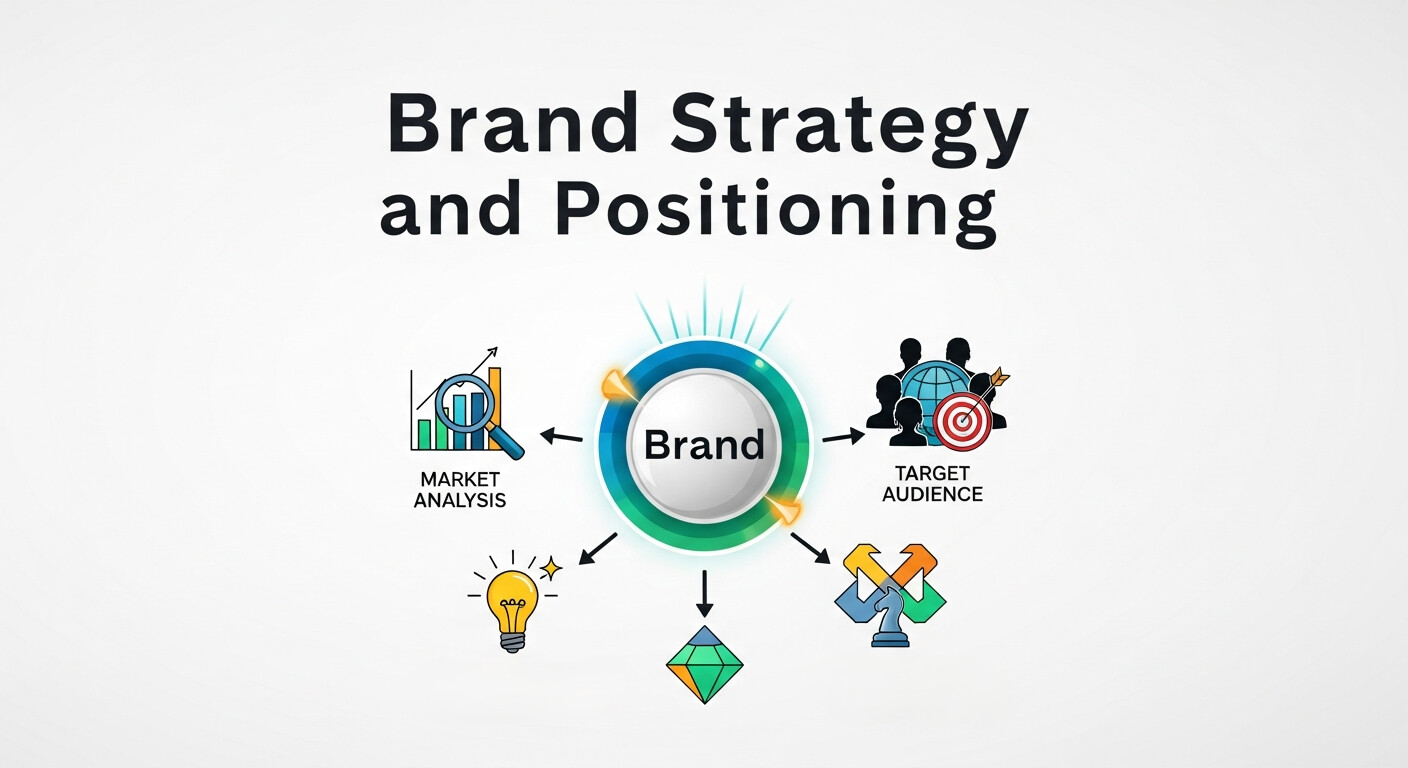
Data doesn’t just tell you “how much”—it tells you “who.” Effective analytics bridge the gap between numbers and identity.
Brand Architecture and Consistency
To master marketing analytics, you must measure brand equity KPIs. Is your brand positioning landing? Using brand audit tools and competitive brand analysis, you can see if your brand voice strategy is consistent across all channels.
- Luxury Brand Marketing: Requires a focus on brand perception in marketing and sensory branding rather than just raw volume.
- CPG Brand Marketing: Focuses heavily on shelf velocity and family branding in marketing.
- Brand Crisis Management: Using real-time reputation management to mitigate damage when things go wrong.
Implementation & Best Practices
Knowledge without action is wasted data. Follow these steps to master marketing analytics in a practical setting.
1. Ensure Data Integrity
Garbage in, garbage out. Regularly audit your inputs. Use automated branding and validation tools to ensure your digital marketing success stories are based on facts, not glitches.
2. Deep Segmentation
Don’t treat your audience as a monolith. Use customer journey analytics to divide users by:
- Demographics: Age, Location, Gender.
- Behavior: Frequent buyers vs. window shoppers.
- Psychographics: Alignment with specific brand archetypes framework.
3. Invest in Visualization
As Tableau and Power BI demonstrate, a visual dashboard is worth a thousand spreadsheets. Data visualization is key for presenting a brand strategy road map to stakeholders who need to see the “big picture.”
4. Prioritize Actionable Insights
Ignore “vanity metrics” like raw page views if they don’t lead to brand awareness or sales. Focus on brand alignment and integrated marketing results that impact the bottom line.
Deep Dive into Digital Channels
To truly master marketing analytics, one must move beyond the website and analyze the granular performance of specific digital channels. Each platform requires a unique analytical lens.
Email Marketing Analytics
Email remains the highest ROI channel for most B2B and B2C brands. Key metrics to monitor include:
- Open Rate: Indicates the effectiveness of your subject lines.
- Click-to-Open Rate (CTOR): Measures the relevance of the content to those who opened the email.
- Unsubscribe Rate: A critical health check for brand loyalty and content frequency. By leveraging outbound email marketing data, teams can refine their brand voice strategy to reduce fatigue and increase engagement.
Mobile App Marketing Analytics
For businesses with a mobile presence, tracking app downloads is just the beginning. You must monitor:
- Retention Rate: The percentage of users who return to the app after day 1, 7, and 30.
- Average Revenue Per User (ARPU): Essential for calculating the sustainability of mobile app marketing analytics.
- App Store Optimization (ASO): Similar to measuring SEO success, but focused on app store rankings.
The Role of Video and Webinar Analytics
In a visual-first world, video content is the primary driver of brand awareness.
Mastering Video Analytics
Whether you are using YouTube, TikTok, or Instagram Reels, mastering video analytics requires looking at:
- View-Through Rate (VTR): How many people watched the video to completion?
- Engagement Velocity: How fast is the video gaining traction in the first hour? This is a key indicator for a viral social media campaign.
- Video SEO: Using data to optimize titles and descriptions to ensure your content ranks in search results.
High-Impact Webinar Strategies
Webinars are powerful tools for the webinar sales funnel. To optimize them, track:
- Registration vs. Attendee Ratio: Helps evaluate if your trending webinar topics are actually drawing people in.
- Drop-off Points: Using webinar guide data to see exactly when people lose interest.
- Irresistible Webinar Offers: Testing different calls-to-action (CTAs) to see which drives the highest post-webinar conversion.
Advanced Brand Management & Reputation
A brand is more than just a logo; it is a digital reputation that must be actively managed using brand monitoring services.
Reputation and Crisis Management
To master marketing analytics, you must be able to quantify sentiment.
- Digital Reputation Management: Monitoring review sites and social mentions to catch a brand crisis management situation before it spirals.
- Negative Content Management: Using review management services to address customer concerns publicly and transparently.
- Brand Safety in Digital Marketing: Ensuring your ads do not appear next to controversial or harmful content, protecting your brand perception in marketing.
The Psychology of Brand Personality
Data can reveal if your brand archetypes framework is resonating. By analyzing the language customers use in reviews (through brand voice strategy analysis), you can determine if your brand personality in marketing matches the public’s reality.
The Future: AI and Next-Gen Strategies
The path to master marketing analytics now leads through Artificial Intelligence. AI driven trend marketing allows for real-time trend marketing, where your ads can pivot automatically based on global conversations.
Viral Content Strategies
Whether you are building a viral marketing funnel for a startup or looking at viral content strategies for non-profits, the math remains consistent:
- Identify high-resonance topics using trend marketing AI data strategy.
- Deploy through influencer marketing services to reach niche audiences.
- Measure through social media management dashboards.
B2B vs. B2C Analytical Strategies
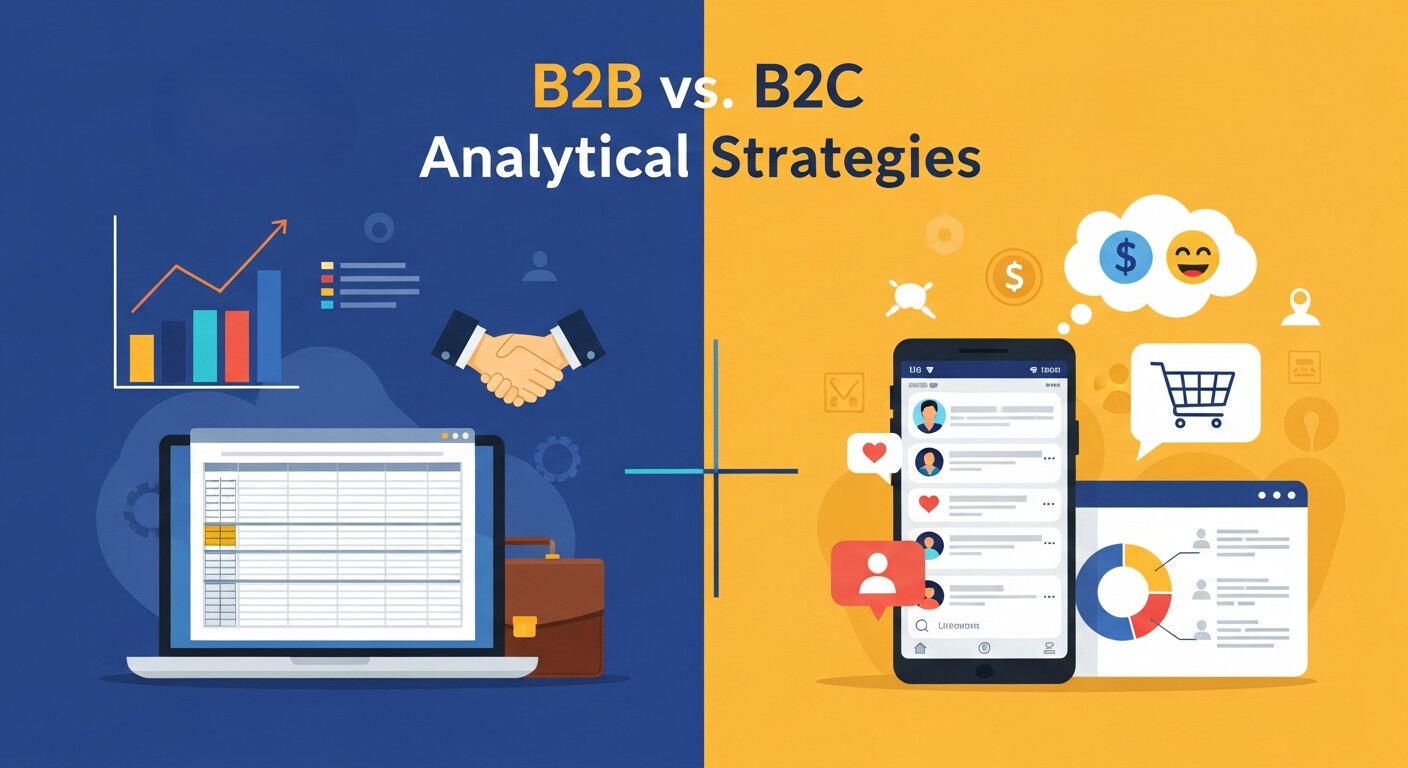
The approach to data changes depending on your target audience.
B2B Digital Marketing Strategies
In B2B, the sales cycle is longer. Therefore, customer journey mapping must account for multiple touchpoints over months. Focus on:
- Lead Quality Score: Not all leads are created equal.
- Account-Based Marketing (ABM) Analytics: Tracking engagement at the company level rather than the individual level.
CPG and Luxury Brand Marketing
- CPG Brand Marketing: Relies on high-volume data, focusing on brand awareness and frequency of purchase.
- Luxury Brand Marketing Strategy: Prioritizes exclusivity and brand longevity challenges. Analytics here focus on “brand desire” and high-value personal brand strategy.
Frequently Asked Questions (FAQs)
1. How do I begin to master marketing analytics with no prior experience?
Start with the basics of digital marketing analytics. Free resources like the Google Analytics Academy are excellent starting points. Focus on understanding the “Why” behind the data before worrying about complex specialized fields like chemical market analytics.
2. What are the most important metrics for a small business?
Focus on ROI, CAC, and Conversion Rate. These three tell you if you are making money, how much it costs to acquire a customer, and if your website is effectively converting traffic.
3. What is the difference between inbound and outbound marketing analytics?
Inbound marketing (like SEO and content) focuses on attraction and engagement metrics. Outbound marketing (like outbound email marketing) focuses on reach, frequency, and direct response rates from targeted lists.
4. How does video SEO impact my marketing analytics?
Video SEO increases your visibility on search engines and platforms like YouTube. By mastering video analytics, you can see which specific keywords drive viewers to your videos and how long they stay engaged.
5. Why is brand perception in marketing so hard to measure?
Unlike a click, perception is qualitative. However, you can master marketing analytics in this area by using brand monitoring services and sentiment analysis to turn subjective feedback into measurable data points.
6. What is “Dark Social” in the context of marketing analytics?
Dark social refers to shares that happen in private channels like WhatsApp or Slack. To track this, use specialized WhatsApp marketing services with UTM parameters to ensure you aren’t losing data on your most engaged users.
7. How can AI help with trend marketing?
AI driven trend forecasting analyzes millions of data points across social media to predict micro-trend marketing opportunities before they peak, giving your brand a first-mover advantage.
8. What are vanity metrics?
Vanity metrics are numbers that look impressive but don’t correlate to revenue—like raw “likes.” To master marketing analytics, you must look past these to find actionable insights like Lead Quality or Sales Velocity.
9. How do I choose between Google Analytics and Kissmetrics?
Google Analytics is excellent for high-level traffic and measuring SEO success. Kissmetrics is superior for behavioral customer analytics, helping you see exactly what individual users do over the course of their journey.
10. What is a brand audit?
A brand audit is a comprehensive review of your brand’s current position compared to competitors. It uses competitive brand analysis to identify gaps in your brand strategy guide and areas for improvement.